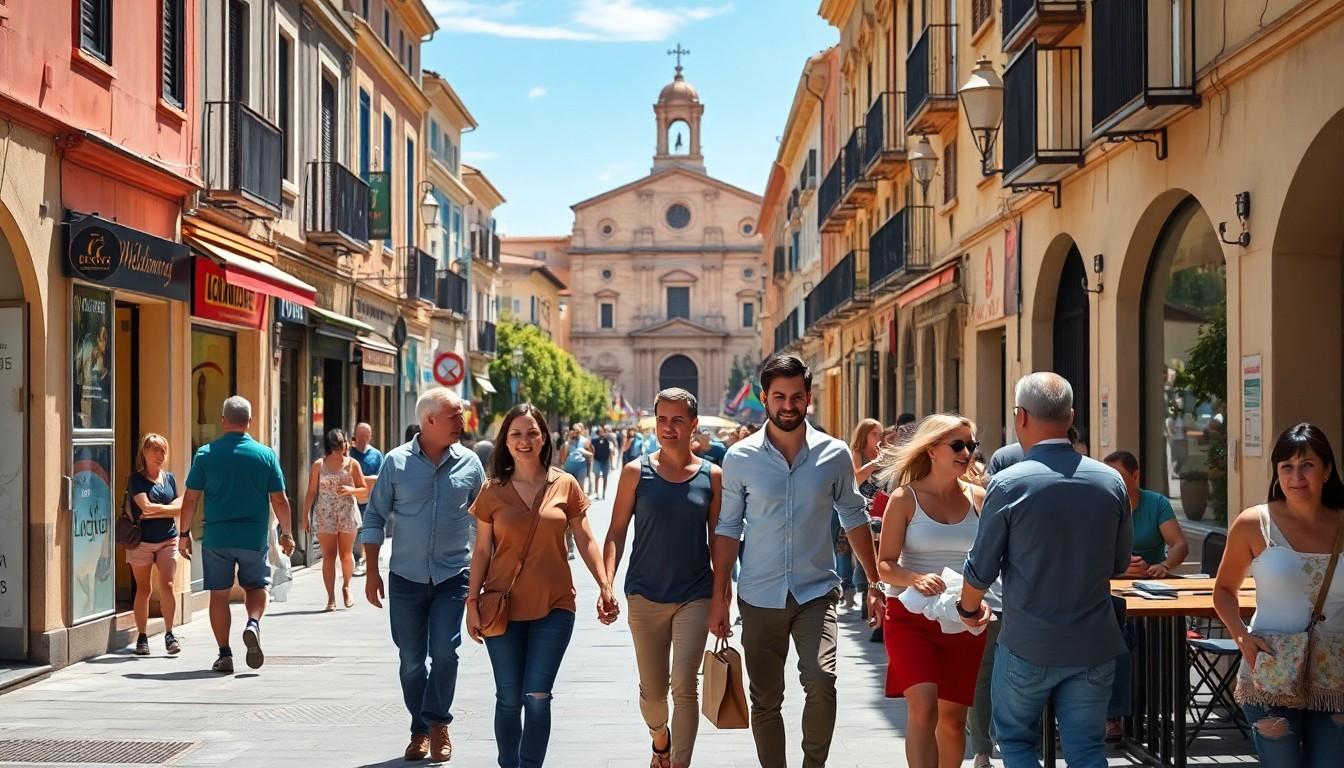
Readers describe Spain as a place where LGBTQI+ people can live openly, from Barcelona and Madrid to small villages and coastal towns. But while same-sex marriage and everyday acceptance have transformed life for many, regional differences, anti-LGBTQI+ incidents and particular challenges for trans people show that progress isn't evenly shared.
Essential Takeaways
- Everyday acceptance: Many LGBTQI+ readers say they feel comfortable holding hands, introducing partners and living openly in Spain.
- A long legal lead: Spain legalised same-sex marriage in 2005, and more than 75,000 same-sex couples have married since then, according to El Pais.
- Beyond the cities: Positive experiences aren't limited to Barcelona, Madrid or other major urban centres; several readers praised village and rural life.
- Important caveat: Reported hate incidents and harassment remain serious concerns, particularly for trans people and those in less accepting environments.
- Local differences matter: The experience can vary by region, venue, workplace and personal identity, so visitors shouldn't assume every setting feels equally safe.
Spain's reputation is built on ordinary freedom
For many LGBTQI+ people, the most meaningful change isn't a parade or a rainbow flag. It's the quiet freedom to introduce a partner without rehearsing the conversation first, or to walk down the street holding hands without scanning the pavement for trouble.
That sense of normality came through strongly in readers' accounts gathered by The Local Spain. Gay couples described feeling welcomed in cities including Barcelona, Zaragoza and Malaga, while others said they had found a similar ease in smaller communities. For them, Spain's appeal lies in being able to live an everyday life without constantly explaining themselves.
The legal backdrop is significant. El Pais reported that Spain's 2005 equal-marriage law helped establish the country as an international reference point for LGBTQI+ rights, with tens of thousands of couples marrying since then. Laws don't change every attitude overnight, but they can make acceptance feel ordinary rather than exceptional.
Is rural Spain as accepting as the big cities?
The old assumption that LGBTQI+ life is comfortable only in major cities doesn't match every reader's experience. Some respondents living in hamlets, rural areas and inland provinces said neighbours treated them much like anyone else, without intrusive questions or visible hostility.
That doesn't mean every village offers the same social life as Barcelona's Eixample or Madrid's Chueca. A small community may have fewer dedicated venues, support services or openly queer social spaces, even when day-to-day interactions are warm. In practice, privacy, local relationships and the individual character of a place can matter as much as its size.
The wider LGBTQI+ travel map also points to a growing network of welcoming destinations and businesses across Spain. Still, a friendly town isn't automatically a risk-free one, so travellers should check recent reviews, local support groups and venue policies before making plans.
Why international movers often notice the difference
Several readers who moved from the US, the UK, Australia and elsewhere contrasted life in Spain with experiences at home. Their comments focused less on formal rights than on the emotional relief of being able to show affection publicly, mention a spouse casually and stop expecting confrontation.
That comparison is especially revealing because it shows how safety is felt in small moments. A couple may not think twice about a café, a market or a family gathering until an unfriendly look, a slur or a threat makes ordinary behaviour feel calculated. Spain's relaxed social atmosphere can therefore seem transformative to people arriving from places where public visibility has become more politically charged.
But international newcomers should avoid treating the country as a single, seamless experience. El Pais has reported continuing concern about anti-LGBTQI+ discrimination, including pressure in workplaces and public life. The contrast may be dramatic for some movers, yet acceptance still depends on region, age, occupation, family background and whether someone is gay, lesbian, bisexual, intersex or trans.
Legal progress hasn't ended hostility
Spain's reputation is deserved in important respects, but it shouldn't become a comforting myth. Recent reporting by El Pais has highlighted rising concern about LGBTQI+ hate, with many people reporting harassment or attacks. That is a sharp reminder that legal equality and social safety are related, but they're not identical.
Some readers also described less welcoming experiences in restaurants, bars or conservative settings. Others pointed to lingering religious and family expectations, suggesting that acceptance can be broad in principle while remaining uneven in private life. For LGBTQI+ people, the question isn't simply whether a country is friendly; it's where, when and around whom they can relax.
Trans people may face an additional layer of uncertainty. Reader experiences ranged from feeling safer in rural Almeria than in a previous home country to describing Spain as difficult and insufficiently open. Those differing accounts deserve attention, because a destination that feels comfortable for a gay couple may not offer the same ease to a trans visitor.
How to choose a comfortable place to stay
If you're planning a move or holiday, start with the details rather than relying on a national label. Look for LGBTQI+-friendly accommodation, read recent reviews, check whether local venues have inclusive policies and identify nearby healthcare or community organisations if you'll be staying longer.
It also helps to consider the kind of experience you want. Large cities offer more nightlife, advocacy groups and specialist services, while smaller towns may provide a quieter rhythm and strong local connections. Coastal resorts can feel particularly visible and welcoming, but busy tourist areas aren't always representative of the wider region.
Most importantly, trust your judgement. If a setting feels uncomfortable, you don't owe anyone a demonstration of confidence. Spain may offer many people a welcome change, but the safest plan is still an informed one.
Spain's progress is real, but the best experiences come with local knowledge and room for nuance.
Source Reference Map
Story idea inspired by: [1]
Sources by paragraph:
- Paragraph 1: [2], [3]
- Paragraph 2: [2], [7]
- Paragraph 3: [3]
- Paragraph 4: [2], [7]
- Paragraph 5: [2], [5]
- Paragraph 6: [2], [7]
- Paragraph 7: [2], [3]
- Paragraph 8: [2], [6]
- Paragraph 9: [4], [5]
- Paragraph 10: [2], [5]
- Paragraph 11: [2], [4]
- Paragraph 12: [2], [4]
- Paragraph 13: [7], [5]
- Paragraph 14: [7], [6]
- Paragraph 15: [2], [7]
- Paragraph 16: [2], [4]