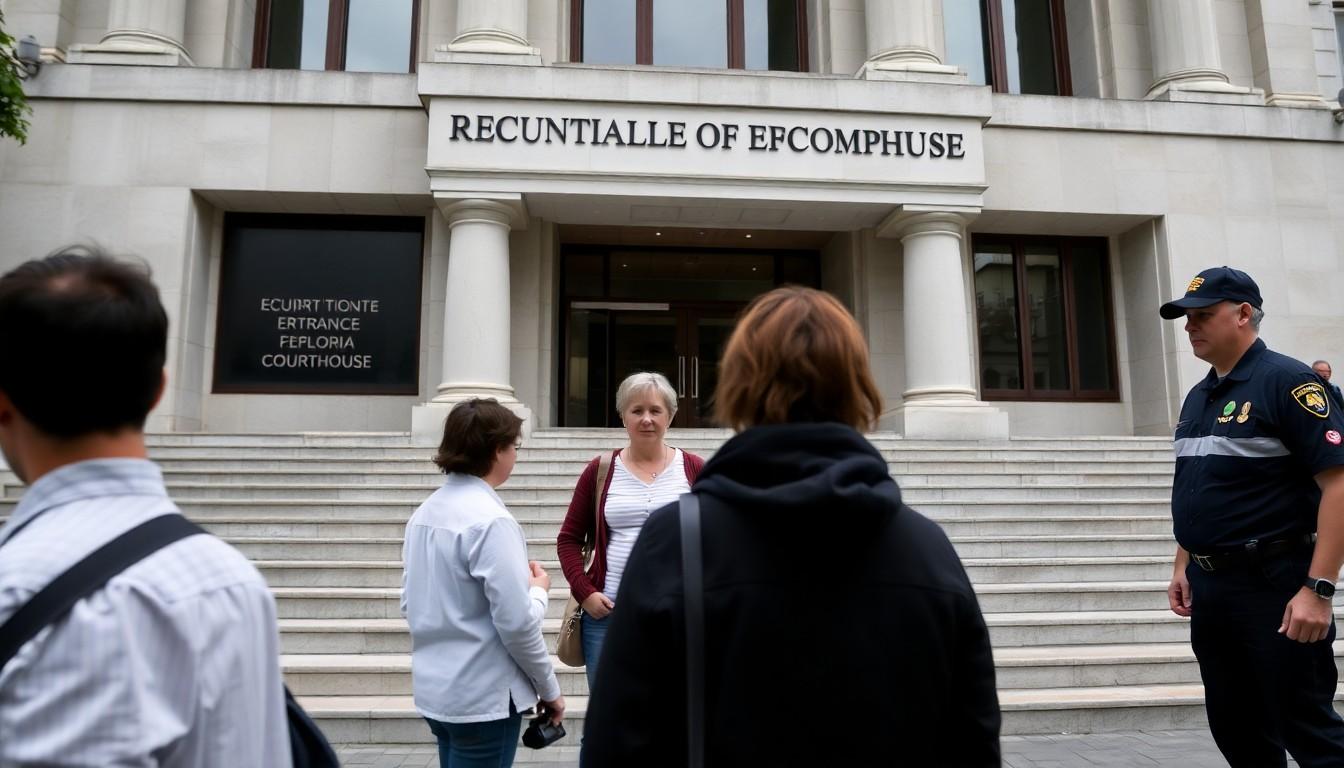
Rights groups and European officials are watching Turkey closely after reported arrests, raids and online restrictions targeting LGBT organisations and human rights defenders across 15 provinces. The case matters because it raises wider questions about civic space, legal safeguards and whether appeals to family values can justify limits on protected freedoms.
Essential Takeaways
- Wide-ranging operation: Authorities reportedly targeted 162 people, nine associations and 13 businesses across 15 provinces.
- European concern: Human Rights Commissioner Michael O'Flaherty said he was troubled by reports of arrests, raids and blocked websites and social media accounts.
- Legal safeguards: He called for access to lawyers, judicial oversight and protection from ill-treatment.
- Key rights issue: Advocacy for equality and against discrimination is protected under freedom of expression and association.
- Bigger picture: The developments fit a broader European debate about shrinking civic space and pressure on LGBT people.
Arrests and raids put civic space under scrutiny
The most striking detail is the scale. A coordinated operation reportedly reached 15 Turkish provinces, involving 162 people, nine civil society organisations and 13 businesses. For LGBT groups and their supporters, that combination of arrests, searches and digital blocks creates an atmosphere that feels both public and personal.
According to the report, the operation was known as "Ailem Güvende", or "My Family Is Safe", and was coordinated by prosecutors in Istanbul, Ankara, Izmir, Aydin and Mersin. The Council of Europe has previously warned that civic space must remain open even when political or social disagreements are intense.
This isn't only about one investigation. As human rights reporting from Turkey has noted, restrictions on associations, activists and independent groups can have a chilling effect well beyond those directly involved.
Why the Council of Europe is concerned
Michael O'Flaherty, the Council of Europe's Commissioner for Human Rights, said he was worried by reports of action aimed at LGBT civil society and human rights defenders. His intervention places the issue within a wider European framework, rather than treating it as a purely domestic dispute.
The commissioner has argued that organisations working for equality and against discrimination are carrying out legitimate human rights activity. Agency Europe has reported his broader concern that fundamental rights are increasingly being treated as negotiable, particularly when governments invoke public morality or social tradition.
That argument has appeared elsewhere, too. In coverage of Hungary, the commissioner called for stronger protection of LGBT people's rights and an end to restrictions on civic space. The comparison is useful because it shows how similar arguments about family, children and national values are being tested across Europe.
Family values cannot automatically override rights
O'Flaherty said references to family values or child protection cannot, by themselves, provide a legal basis for restricting human rights. The point is not that child welfare or family life are unimportant. Rather, any restriction must have a clear legal foundation, pursue a legitimate aim and be necessary and proportionate.
That distinction matters in practice. A broad political slogan isn't the same as personalised evidence of a crime, and an organisation's identity or peaceful advocacy shouldn't be treated as proof of wrongdoing. European human rights standards place particular weight on freedom of expression, association and peaceful assembly.
The Council of Europe has repeatedly urged governments to turn those principles into everyday protection. Its work on human rights implementation in Turkey stresses that legal commitments need to be reflected in institutions, courts and public authorities, not simply written into official documents.
Lawyers' access is a crucial test
One of the most serious allegations concerns defence lawyers' access to investigation files. Reports also claimed that suspects were pressured to appoint separate lawyers without clear, individualised evidence of a conflict of interest.
For anyone facing detention, this is a practical issue, not a technical footnote. Effective legal advice depends on timely access to the case, the ability to challenge detention and protection from mistreatment. Without those safeguards, even a formally legal process can feel opaque and intimidating.
O'Flaherty called for fair-trial guarantees, including legal assistance and judicial review. The commissioner's wider public statements have consistently linked human dignity to functioning legal remedies, especially during periods of political tension.
What happens next?
The commissioner said he would continue monitoring developments and raising the concerns with Turkish authorities. That doesn't settle the investigations, but it does ensure the case remains visible internationally.
The pressure also reflects a wider concern about democratic resilience. In a 2024 address reported by the Parliamentary Assembly of the Council of Europe, O'Flaherty urged governments to respond to global challenges by reaffirming human rights and dignity. His message here is similarly straightforward: criminal proceedings should rest on specific evidence of an offence, not on identity, peaceful activism or lawful civil society work.
For people following Turkey's LGBT rights debate, the next signs to watch are access to lawyers, court oversight, the treatment of detainees and whether blocked organisations can operate again. Those details will say more than official slogans ever could.
The case is a reminder that civic freedoms are tested most sharply when they become unpopular.
Source Reference Map
Story idea inspired by: [1]
Sources by paragraph:
- Paragraph 1: [2], [7]
- Paragraph 2: [2], [7]
- Paragraph 3: [3], [5]
- Paragraph 4: [4], [7]
- Paragraph 5: [2], [3]
- Paragraph 6: [4], [5]
- Paragraph 7: [2], [7]
- Paragraph 8: [3], [5]
- Paragraph 9: [2], [7]
- Paragraph 10: [5], [6]
- Paragraph 11: [2], [3]
- Paragraph 12: [5], [7]
- Paragraph 13: [3], [4]
- Paragraph 14: [2], [5]