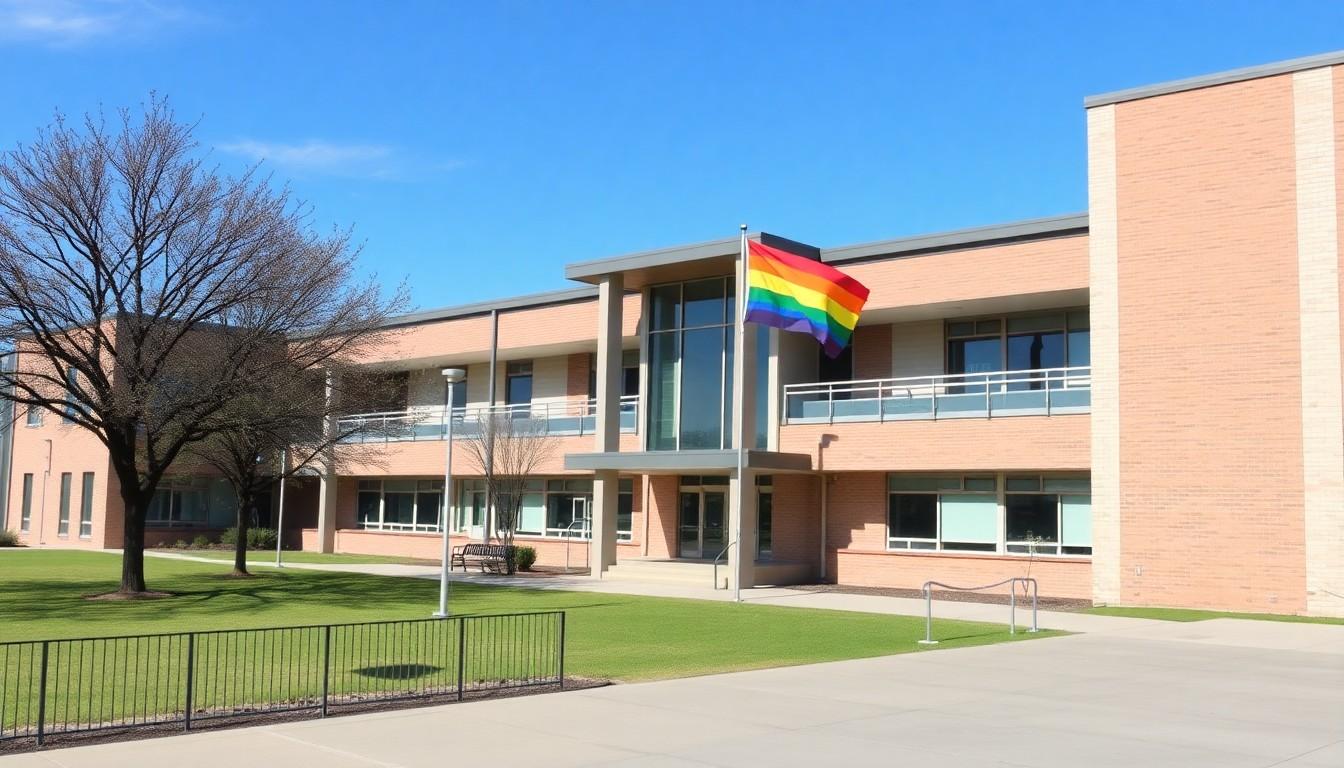
Advocates are urging New South Wales to strengthen school protections for LGBTQI+ students after a child-death review highlighted the serious pressures facing queer teenagers. The findings point to safer, more accepting classrooms as a practical opportunity to support wellbeing and reduce risks, while campaigners say legal loopholes still leave some pupils exposed.
Essential Takeaways
- A warning from the data: A NSW review examined 22 suicide-related deaths involving LGBTQI+ young people aged 10 to 17 between 2018 and 2023.
- Several risks overlap: Mental health, family pressures, education, self-harm and suicidal thoughts were identified among the complex factors.
- Schools matter: Researchers linked supportive school environments with better wellbeing outcomes.
- Legal reform is central: Advocates want education exemptions in anti-discrimination law closed.
- Help is available: In Australia, Lifeline is on 13 11 14, Beyond Blue is on 1300 22 4636, and Full Stop Australia is on 1800 385 578.
The classroom has become a key focus
The strongest message from the NSW review is that schools aren't simply places where young people study. They're also daily social environments, where feeling welcomed, watched, isolated or singled out can shape a teenager's sense of safety.
Researchers examined 22 deaths involving LGBTQI+ young people aged 10 to 17 over a five-year period. The report stressed that sexuality or gender identity wasn't itself a cause of suicidal behaviour, but identified a combination of mental health, family and education-related risks. The Australian Human Rights Commission also recognises that LGBTQI+ people are protected from discrimination under a range of laws. [2], [4]
For families, the issue can feel painfully immediate. A classroom may look ordinary from the outside, yet a pupil who expects ridicule or rejection can experience the school day very differently. That makes a calm, visible culture of support more than a nice extra.
Why legal protections are under scrutiny
Equality Australia says legal protections should apply consistently to LGBTQI+ students, regardless of whether they attend a government or independent school. Its campaign on student protections argues that exemptions can leave young people vulnerable to discriminatory policies or practices. [3], [6]
The concern is particularly sharp in NSW, where advocates say education-related carve-outs in the state's Anti-Discrimination Act weaken the promise of equal treatment. The NSW Law Reform Commission is reviewing the legislation, creating a potential route for those rules to be reconsidered.
Australian anti-discrimination law already covers attributes connected with sex, sexual orientation, gender identity and intersex status. However, the Human Rights Commission explains that the way protections operate can depend on the relevant law and circumstances, which is why campaigners are pressing for clearer, broader coverage. [4], [7]
Supportive schools can make a practical difference
A safer school doesn't require grand gestures every day. It can mean staff responding quickly to harassment, using a student's stated name and pronouns, offering trusted adults, and ensuring wellbeing policies are genuinely accessible rather than hidden in a handbook.
The review found relatively few measures aimed at changing school environments, despite evidence that supportive settings are associated with improved wellbeing. Equality Australia's student-protection campaign similarly focuses on making schools places where LGBTQI+ pupils can learn without being treated differently because of who they are. [6]
That matters for parents and carers choosing how to raise concerns. Ask who a child can speak to, how bullying is recorded, whether staff receive relevant training and what happens after a report is made. A policy only earns trust when a young person can feel its effect in the corridor, classroom and playground.
Mental health support still has gaps
The researchers also identified a lack of dedicated mental health and aftercare services tailored to LGBTQI+ young people. That gap can make an already difficult period feel lonelier, particularly after self-harm, a crisis or a suicide attempt.
The Human Rights Commission's guidance makes clear that trans and gender-diverse people have legal protections, but legal rights don't automatically guarantee that services will feel knowledgeable, respectful or easy to access. Practical support still depends on trained professionals, safe referral pathways and adults who listen without turning identity into a problem to be solved. [5]
If a young person is in immediate danger, contact emergency services. In Australia, Lifeline offers crisis support on 13 11 14, Beyond Blue can be reached on 1300 22 4636, and Full Stop Australia provides support on 1800 385 578. Reaching out early can feel awkward, but awkward is far better than silent.
What could change next?
The report's recommendations arrive while NSW reviews its anti-discrimination framework, and as national reform proposals continue to influence debate. Advocates want all schools to be prevented from discriminating on protected grounds, while researchers are calling for stronger attention to school culture and LGBTQI+-specific mental health care. [2], [7]
The broader lesson is straightforward: prevention isn't only about responding when a crisis appears. It also involves building schools where students can be open, respected and confident that adults will act when something goes wrong.
For queer teenagers and their families, that may sound basic. It isn't yet universal, which is why the current legal review matters.
A safer school can be one of the most powerful forms of everyday support.
Source Reference Map
Story idea inspired by: [1]
Sources by paragraph: