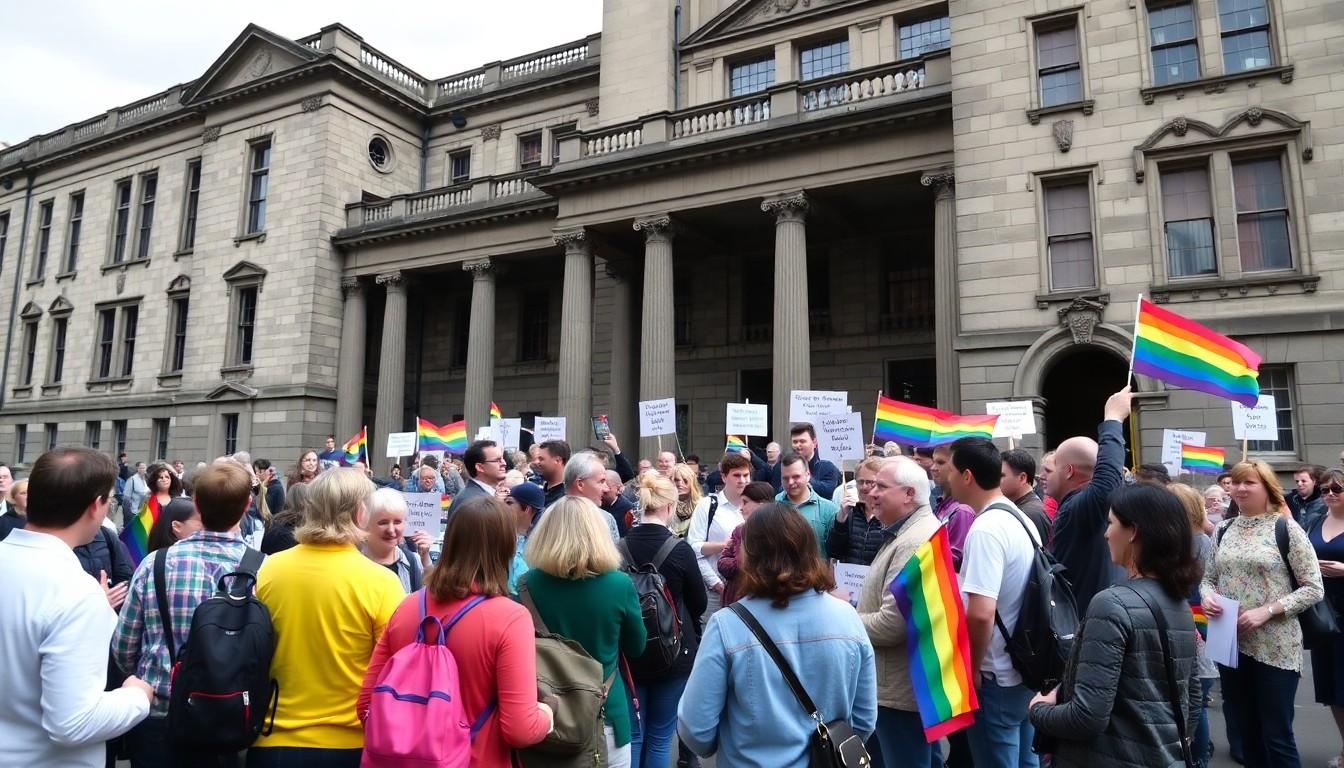
Stormont MLAs are debating a proposed Northern Ireland conversion practices bill that could create new criminal offences for attempts to change or suppress someone’s sexual orientation or gender identity. Supporters say it would close legal gaps and protect LGBTQI+ people, while opponents warn it could affect family conversations and freedom of expression.
Essential Takeaways
- Proposed penalties: The Bill could bring prison sentences of up to two years for serious conversion practices offences.
- What it targets: The legislation focuses on deliberate attempts to change or suppress sexual orientation or gender identity.
- Why supporters back it: Campaigners say existing law doesn't cover every form of coercive, psychological or manipulative abuse.
- Why critics object: Some MLAs believe current criminal offences already cover violence, threats and false imprisonment.
- What happens next: The Bill's progress depends on Assembly votes, committee scrutiny and possible further procedural challenges.
A late-night Stormont debate puts conversion practices in focus
The debate arrived with a stark human reality behind it. Supporters described people being shamed, threatened and pressured to deny who they are, with campaigners arguing that such treatment can leave lasting emotional scars. The Rainbow Project says conversion practices can take many forms, including counselling, religious intervention and coercive behaviour intended to alter identity or attraction.
Alliance deputy leader Eóin Tennyson introduced the Private Member's Bill at the Assembly, describing conversion practices as a distinct form of abuse. According to the Alliance Party, the proposed law is intended to give Northern Ireland a clearer framework for preventing and prosecuting conduct that seeks to change or suppress LGBTQI+ people.
The issue has already drawn people outside Parliament Buildings, where supporters called for a legal response that sends a simple message: LGBTQI+ people don't need to be fixed. It's a powerful sentiment, and one that explains why the debate has become more than a technical argument about legislation.
What would the proposed law actually cover?
At its centre, the Bill would target intentional conduct aimed at changing or suppressing a person's sexual orientation or gender identity. The Assembly's published Bill material sets out the proposed offences and the route the legislation must take before it could become law.
That distinction matters. Supporters aren't arguing that every awkward family conversation or expression of a religious belief should become criminal. Their case is that sustained, coercive or abusive attempts to force somebody to reject their identity can sit in a grey area when existing offences are applied individually.
The proposed maximum sentence of two years has become one of the clearest details in the debate. However, as with any Bill, the final wording, definitions, evidential tests and enforcement arrangements would be crucial. A headline penalty tells only part of the story.
Why opponents say existing law may be enough
Unionist critics have challenged the claim that Northern Ireland lacks the tools to deal with the worst behaviour described during the debate. They point to offences such as assault, making threats and false imprisonment, arguing that serious acts are already punishable.
That concern is reflected in the wider political argument over the Bill. Opponents say new offences could blur the line between criminal abuse and lawful advice, support or discussion, particularly within families. The 4NI account of the proposals records this criticism, while Assembly documents provide the formal legislative context.
It is a familiar tension in law-making: supporters focus on conduct they believe is being missed, while critics worry about unintended consequences. The practical test will be whether the legislation can define coercion tightly enough to protect people without criminalising ordinary conversation.
Parents, professionals and the freedom-of-expression question
The most sensitive objection concerns parents. Critics have warned that mothers and fathers could feel compelled to document conversations with their children in case supportive advice later became part of a legal dispute. That fear has helped shift the debate from a question about abuse to a broader argument about family life and expression.
The Bill's supporters, meanwhile, say safeguarding must remain the priority where pressure becomes manipulation, intimidation or harm. The Assembly's Bill text is therefore likely to receive close attention from committees, legal experts and organisations working with LGBTQI+ people.
For anyone trying to understand the proposal, the key question is not simply whether someone disagrees with a person's identity. It's whether they deliberately seek to control, suppress or change that identity through coercive means. Getting that boundary right will be central to the legislation's credibility.
The next stage will test the Bill's detail
The proposal was due to move towards committee stage after the Assembly debate, where MLAs can examine its clauses in greater depth and hear evidence from affected groups, legal specialists and public bodies. The Northern Ireland Assembly lists the Bill and its associated documents, making it the best place to follow formal updates.
Opposition could also become more significant as the Bill progresses. A petition of concern may be available at a later stage, potentially affecting its route through the Assembly. That means the initial debate is only the opening chapter, not the final decision.
For campaigners, the hope is that scrutiny strengthens rather than weakens the protections. For opponents, the committee process is an opportunity to expose what they see as legal uncertainty. Either way, the next phase should reveal whether the proposal can turn a powerful moral argument into workable law.
It's a debate about protection, personal freedom and where the law should draw its clearest line.
Source Reference Map
Story idea inspired by: [1]
Sources by paragraph:
- Paragraph 1: [7], [5]
- Paragraph 2: [5], [6]
- Paragraph 3: [7], [4]
- Paragraph 4: [2], [6]
- Paragraph 5: [4], [6]
- Paragraph 6: [2], [7]
- Paragraph 7: [3], [4]
- Paragraph 8: [2], [6]
- Paragraph 9: [6], [7]
- Paragraph 10: [2], [5]
- Paragraph 11: [2], [6]
- Paragraph 12: [3], [4]
- Paragraph 13: [2], [6]
- Paragraph 14: [2], [3]
- Paragraph 15: [2], [7]