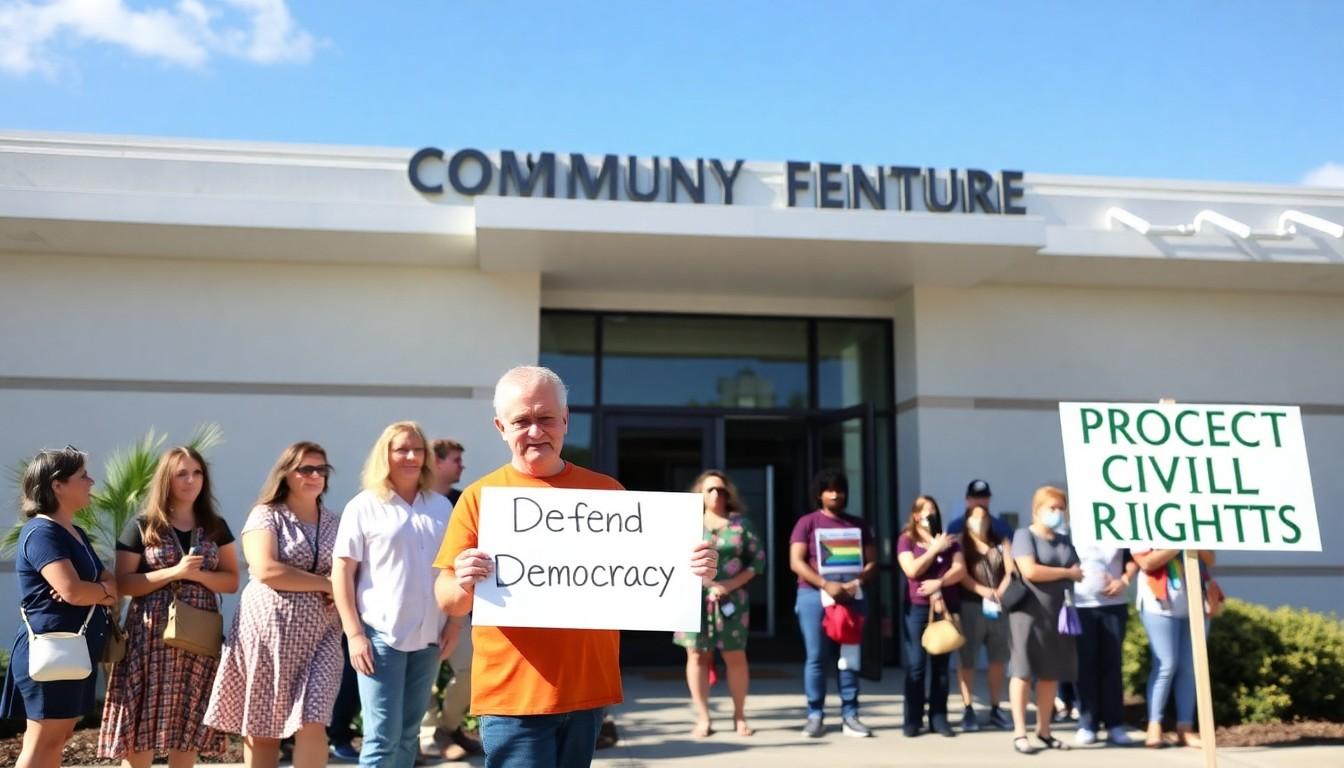
Equality Florida Action has backed an initial group of pro-equality congressional candidates across Florida, highlighting a growing push to make LGBTQ rights, democratic safeguards and family protections central issues in the 2026 US House elections.
Essential Takeaways
- First wave announced: Equality Florida Action has endorsed 11 candidates for the US House.
- Incumbents and challengers: The list combines six sitting Democratic representatives with five candidates seeking competitive seats.
- Key priorities: The group says its endorsed candidates will defend civil rights, LGBTQ families, young people and access to public institutions.
- A wider campaign is coming: Further endorsements are expected as the 2026 election cycle develops.
Equality Florida puts its first 2026 slate on the table
The campaign starts with a sizeable list: 11 candidates spanning districts from north Florida to the Tampa Bay area and South Florida. Equality Florida Action says the group reflects the kind of congressional leadership it wants to see on equality and democratic rights.
According to the organisation, the slate includes six Democratic incumbents with established records on LGBTQ issues, alongside five challengers viewed as capable of competing for seats that could affect control of the US House. It is an early move, but an unmistakably political one. [2]
The announcement comes as Florida remains a national testing ground for battles over education, healthcare, workplace inclusion and transgender rights. Supporters of the endorsements argue that policies developed in the state have helped shape wider political debates, making Florida's congressional races especially consequential. [4]
Who has received the endorsements?
The endorsed candidates are Rachel Grage in District 5, Jennifer Jenkins in District 8, and incumbent Darren Soto in District 9. The list also includes Maxwell Frost in District 10 and Kimberly Overman in District 12.
Further south, Equality Florida Action is backing incumbent Kathy Castor in District 14, Debbie Wasserman Schultz in District 20, Pia Dandiya in District 22, Lois Frankel in District 23, Jared Moskowitz in District 25 and Eliott Rodriguez in District 27. [2]
That mix matters because it isn't simply a roll call of established names. Challengers such as Grage, Jenkins, Overman, Dandiya and Rodriguez give the endorsement programme a broader electoral purpose, while the incumbents offer recognised allies already inside Congress.
Why LGBTQ rights are becoming a bigger congressional issue
Equality Florida Action says Congress could determine whether federal civil rights protections are defended or weakened. Its priorities include safeguarding LGBTQ families and young people, protecting access to public institutions and holding officials accountable for policies it considers discriminatory.
The organisation's executive director, Stratton Pollitzer, said the group was supporting candidates prepared to confront what he described as politics built around division and extremism. His comments framed the endorsements as part of a larger fight over freedom, rather than a narrow campaign about one community. [2]
That language mirrors the organisation's wider political work. Previous Equality Florida Action announcements have endorsed candidates for Congress and statewide office, including State Senator Shevrin Jones, David Jolly and Andrew Gillum, showing a longer-running strategy of backing candidates it considers supportive of LGBTQ equality. [3] [5] [6]
Florida's endorsement battles can be noisy
Political endorsements rarely arrive in a calm atmosphere, particularly in Florida. The organisation has previously had to respond to a false advert attributed to Equality Florida, a reminder that campaign messaging can quickly become muddled once candidates and advocacy groups enter the spotlight. [4]
For voters, the practical lesson is simple: check the original endorsement announcement, the candidate's own platform and the group's stated criteria before relying on social media claims. A polished graphic may travel fast, but it doesn't necessarily tell you who paid for it or whether the message is genuine.
The same caution applies to claims about a candidate's record. Endorsements can signal shared priorities, but they aren't a substitute for looking at votes, public statements and local concerns. Your district's issues still matter, even when national politics is making the louder noise.
What happens next?
Equality Florida Action describes this announcement as only the first wave of its 2026 congressional endorsements, with more names expected later. That suggests the group is treating the election as a sustained organising effort rather than a one-off publicity moment.
Its earlier endorsements in Florida politics show how that approach can stretch from congressional contests to statewide and local races, including the Orlando mayoral contest involving Buddy Dyer. [7] The organisation's stated ambition is to help build a broader pro-equality majority, but the real test will come when voters weigh those endorsements against the candidates' records and the direction of their districts.
For LGBTQ Floridians and their allies, the announcement offers a clear sign that congressional races are already being treated as a frontline issue. The campaign season may still be gathering pace, but the argument over what Florida exports to Washington has begun.
Small endorsement lists can carry a surprisingly large political message.
Source Reference Map
Story idea inspired by: [1]
Sources by paragraph: