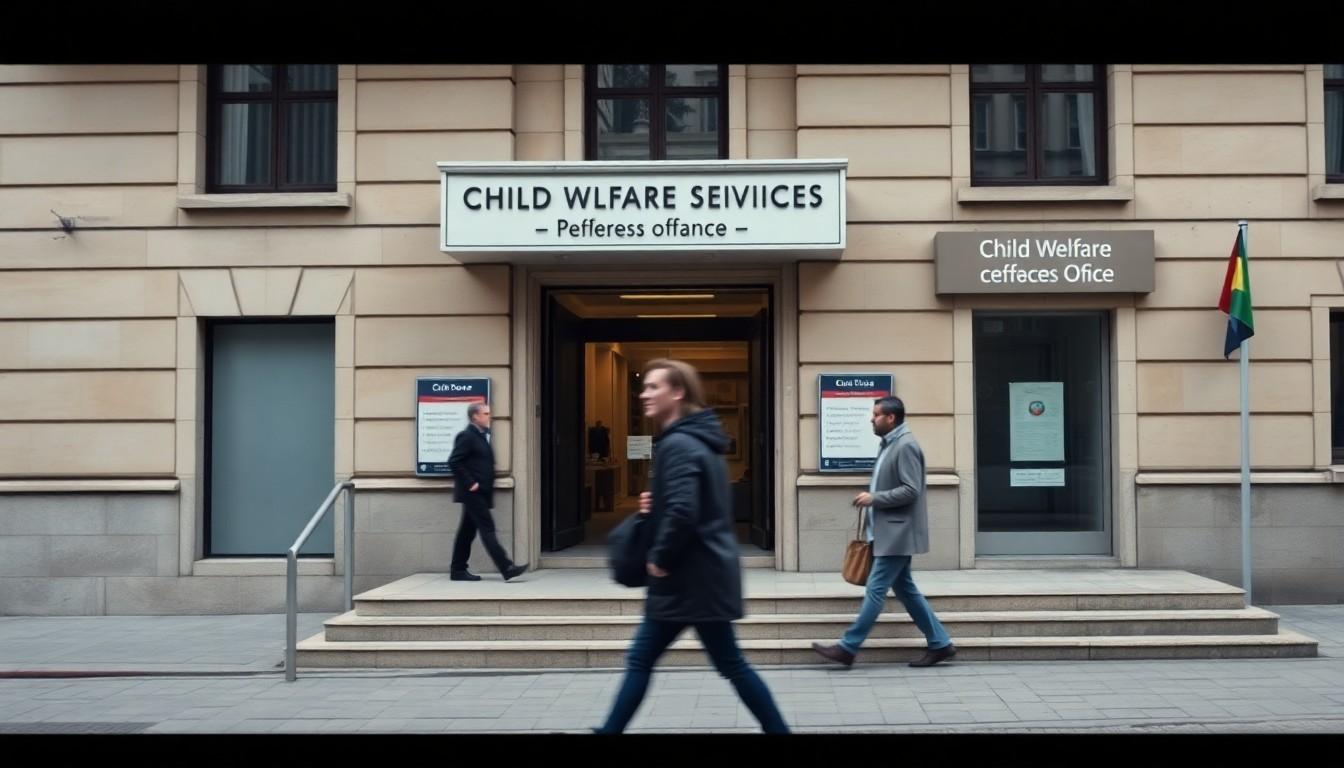
Hungary’s government is moving to revise Orbán-era child protection rules and loosen ministerial control over adoption, bringing same-sex couples and LGBT rights back into the political spotlight. The proposed changes follow a European court ruling, could unlock EU funding and may give professionals a greater say in deciding what is best for children.
Essential Takeaways
- The law is being rewritten: Proposed amendments would remove specific references to homosexuality and gender transition from several child protection rules.
- Adoption decisions could change: Ministerial approval for unmarried applicants is expected to be replaced by assessments led by child protection professionals.
- Same-sex joint adoption remains unavailable: The proposal doesn't yet create a direct legal route for couples to adopt jointly.
- EU pressure is central: The changes follow a Court of Justice of the European Union ruling and could help release withheld funding.
- The wider system is under strain: Officials have reported overcrowding, staff shortages and thousands of children living in state care.
Hungary opens a new chapter in its culture war
Hungary's proposed child protection reform is significant not because it sweeps away every Orbán-era restriction, but because it changes the language and machinery behind some of the most contested rules.
According to Euronews, the government is preparing amendments after the EU's top court ruled that Hungary couldn't treat homosexuality, gender reassignment or identities differing from birth sex as inherently harmful to children. The draft would instead focus on pornography, exploitation, grooming, violence and other material judged genuinely damaging.
That may sound like a technical adjustment, but the practical effect could be noticeable. A television programme wouldn't automatically receive the harshest age classification simply because LGBT characters or themes appear in it. Schools would also see the removal of wording that bans the supposed promotion of homosexuality or gender transition.
For campaigners, it's a long-overdue correction. For Hungary's conservative opposition, it's the beginning of a much wider ideological shift.
Adoption rules could become less political
The most immediate change for prospective parents concerns adoption. Prime Minister Péter Magyar has said decisions should be made according to a child's interests by trained professionals, rather than being held at ministerial level.
Euronews reported that the proposed changes would affect unmarried applicants, including people in same-sex relationships, although they wouldn't automatically introduce joint adoption for same-sex couples. That distinction matters. Hungary could remove a political barrier without yet recognising same-sex couples as joint adoptive parents.
The change would nevertheless mark a clear break with the system created under Viktor Orbán. International reporting from the Straits Times and the International Business Times has described the move as a rollback of restrictions that made adoption particularly difficult for gay couples.
It also puts the focus where it arguably belongs: on the quality of each application, the needs of the child and the suitability of the home. In practice, that means the process may become less about a minister's approval and more about social workers, psychologists and child welfare specialists.
EU court ruling puts pressure on Budapest
The reform is closely tied to Hungary's relationship with Brussels. Legal analysis from Legal Clarity notes that the country's LGBT restrictions have faced sustained challenges under EU law, particularly where national measures affect equal treatment, privacy and freedom of expression.
The Court of Justice ruling also raised concerns about the handling of sensitive data from a register of people convicted of offences against children. Hungary's proposed amendments would retain screening procedures while adding stronger privacy protections, according to the Hungarian Conservative report.
Money adds another layer of urgency. Around 600 million euros has remained frozen over concerns linked to Hungary's child protection legislation, and the government's changes could help release a substantial portion of that funding. Education is expected to be one of the areas that could benefit.
So this isn't only a social-policy debate. It's also a legal compliance exercise and a financial calculation, with Budapest trying to satisfy the court without surrendering its broader family-policy framework.
Activists want the reforms to go much further
LGBT and human rights groups are already pressing for changes beyond the current bill. Their demands include joint adoption, same-sex marriage, fertility treatment for lesbian couples and a route for transgender people to amend their legal sex and name.
That wider agenda is why the political temperature is rising. The present proposal removes some restrictions and changes how adoption applications are handled, but it leaves marriage, constitutional definitions of family and several limits on LGBT-themed children's material untouched.
Reports from Euronews and other international outlets suggest the government is taking a cautious route. It can point to the court judgment and child welfare evidence, while avoiding an immediate promise to introduce same-sex marriage or full joint adoption.
Public opinion may make that balancing act more complicated. Research cited in the Hungarian Conservative report found majority support for same-sex marriage and adoption, as well as assisted reproduction for same-sex couples. Yet cultural issues remain highly charged, particularly when politicians frame them around children's safety.
That framing has real force. Most people want children protected from abuse and exploitation. The argument becomes far less straightforward when ordinary LGBT representation is placed in the same category as harmful sexual content.
Hungary's care system faces an even bigger test
Behind the legal argument sits a child protection system with serious practical problems. The government has reported tens of thousands of children in state care, prolonged staff shortages, overcrowded facilities and babies remaining in hospital because suitable placements can't be found.
The Hungarian Conservative report said officials identified problems across institutions in several counties, including alleged neglect and abuse. A new emergency programme is intended to create additional places, improve specialist services and build a crisis network.
That context matters. Adoption reform will attract headlines, but children already living in care need safe placements, stable relationships and properly funded services now. A change in the approval process won't solve overcrowding, under-staffing or poor infrastructure on its own.
The political risk for Magyar is that every reform becomes a proxy battle over identity. Conservatives fear the removal of restrictions will lead to a broader LGBT programme, while campaigners worry that a narrow court-compliance bill won't go far enough. Meanwhile, children in the system can't afford for either side to lose sight of the basics.
The coming months should show whether Hungary's government is pursuing a limited legal repair or opening the door to a wider redefinition of family and equality. For prospective adopters, the key question is simpler: will decisions finally turn more consistently on a child's welfare than on a parent's relationship status?
It's a small legal shift on paper, but it could have a very human effect.
Source Reference Map
Story idea inspired by: [1]
Sources by paragraph:
- Paragraph 1: [2], [3]
- Paragraph 2: [4], [5]
- Paragraph 3: [6], [7]
- Paragraph 4: [2], [5]
- Paragraph 5: [3], [6]
- Paragraph 6: [4], [7]
- Paragraph 7: [2], [5]
- Paragraph 8: [3], [4]
- Paragraph 9: [5], [7]
- Paragraph 10: [2], [6]
- Paragraph 11: [1], [5]
- Paragraph 12: [1], [2]
- Paragraph 13: [1], [3]
- Paragraph 14: [4], [6]
- Paragraph 15: [1], [7]