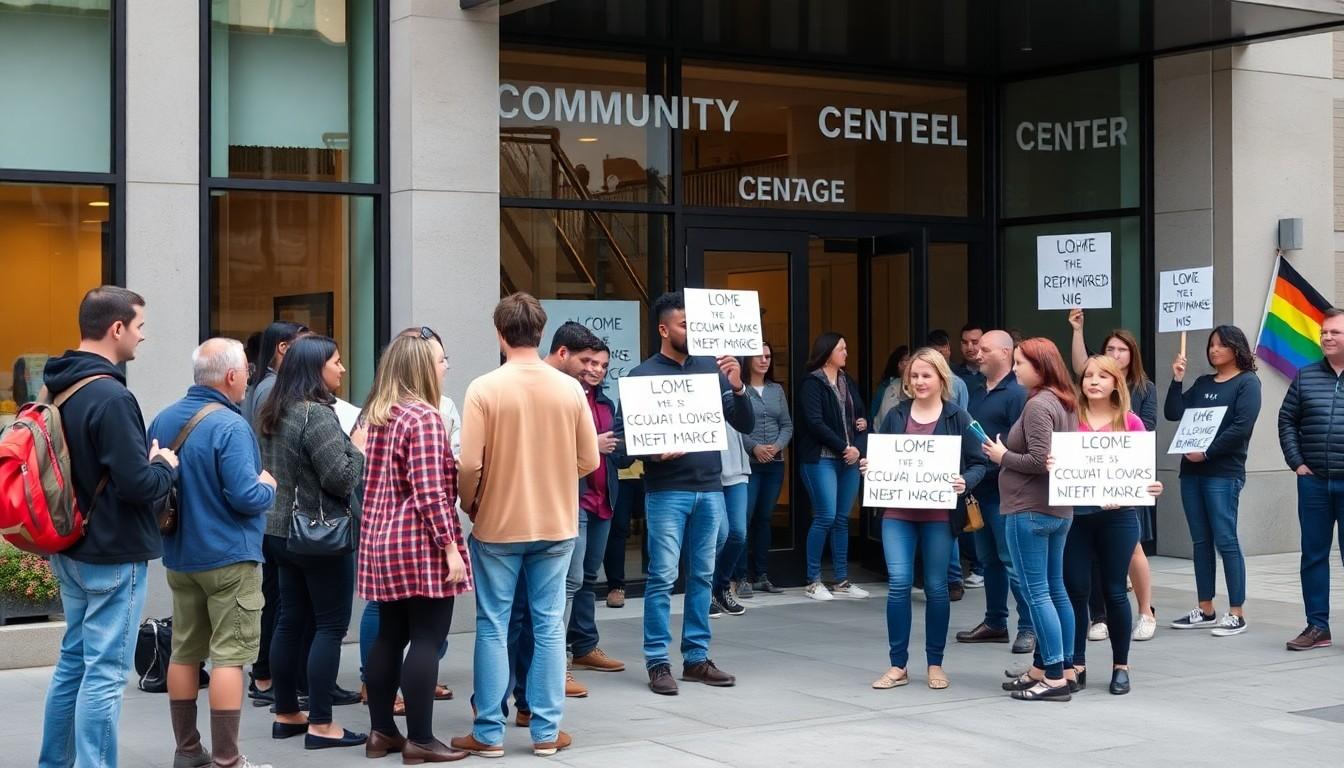
Residents are reflecting on the deaths of LGBTQ icons and allies, with conversations stretching from Palm Springs to wider communities across the United States. Their tributes show why cultural memory matters, especially when public figures such as Gloria Steinem and Dolly Parton have helped shape ideas about equality, visibility and belonging.
Essential Takeaways
- A moment of reflection: Recent deaths have prompted locals to consider the lasting influence of LGBTQ advocates and allies.
- Different kinds of impact: Steinem’s feminist activism and Parton’s public support represent distinct but overlapping routes to social change.
- Community memory matters: Tributes help connect today’s campaigners with earlier generations of organisers, artists and advocates.
- Legacy goes beyond fame: Public support can become meaningful when it is paired with practical action, visibility and sustained compassion.
Loss has brought local voices together
News of the deaths has landed with particular force in communities where LGBTQ visibility is part of everyday life. In Palm Springs, where queer culture and activism are closely woven into the city’s identity, residents have been considering not only who these figures were, but what their work made possible.
The mood is understandably sombre, yet it isn't simply about looking back. As KESQ reported, local reactions have focused on remembrance, gratitude and the continuing need to protect the rights and visibility that earlier generations fought to establish.
Why Gloria Steinem’s influence still resonates
Gloria Steinem’s death has reopened conversations about feminism, political organising and the long campaign for equal representation. Her influence reached well beyond a single movement, particularly for LGBTQ people who saw connections between gender equality, bodily autonomy and broader civil rights.
LGBTQ Nation described Steinem as a feminist icon whose work helped challenge entrenched assumptions about women’s roles. That legacy feels especially relevant now, when debates over identity, healthcare and personal freedom remain intensely contested.
Dolly Parton represented allyship with warmth
Dolly Parton occupied a different cultural space, but her support for LGBTQ people carried its own weight. Her music, charitable work and famously welcoming public persona made her a figure whose appeal crossed political and social boundaries.
Reporting from LGBTQ Nation noted Parton’s passing at 80 and her status as a country star and LGBTQ ally. For many admirers, that combination matters: acceptance delivered without grandstanding can still make people feel seen, particularly in places where public support has not always been guaranteed.
What communities can learn from their legacies
The contrast between Steinem and Parton is revealing. One built influence through writing, activism and political pressure, while the other used entertainment, generosity and cultural reach. Neither model is identical, but both show that change can travel through many channels.
For younger LGBTQ people, the practical lesson is to look beyond celebrity tributes. Learn the history, support local organisations, listen to older activists and notice which public commitments are backed by action. A rainbow logo is easy; sustained solidarity is harder, and far more valuable.
Remembering is also a form of action
Tributes can sometimes feel temporary, arriving in a rush of headlines before public attention moves elsewhere. But community remembrance gives people a chance to preserve stories that might otherwise fade, including the quieter work done away from cameras.
The reaction reported by KESQ suggests that these losses have created space for honest reflection. People aren't only mourning famous names; they're asking what responsibility looks like now. That may be the most enduring way to honour those who helped widen the path.
It's a powerful reminder that legacy lives on through the people willing to carry the work forward.
Source Reference Map
Story idea inspired by: [1]
Sources by paragraph: