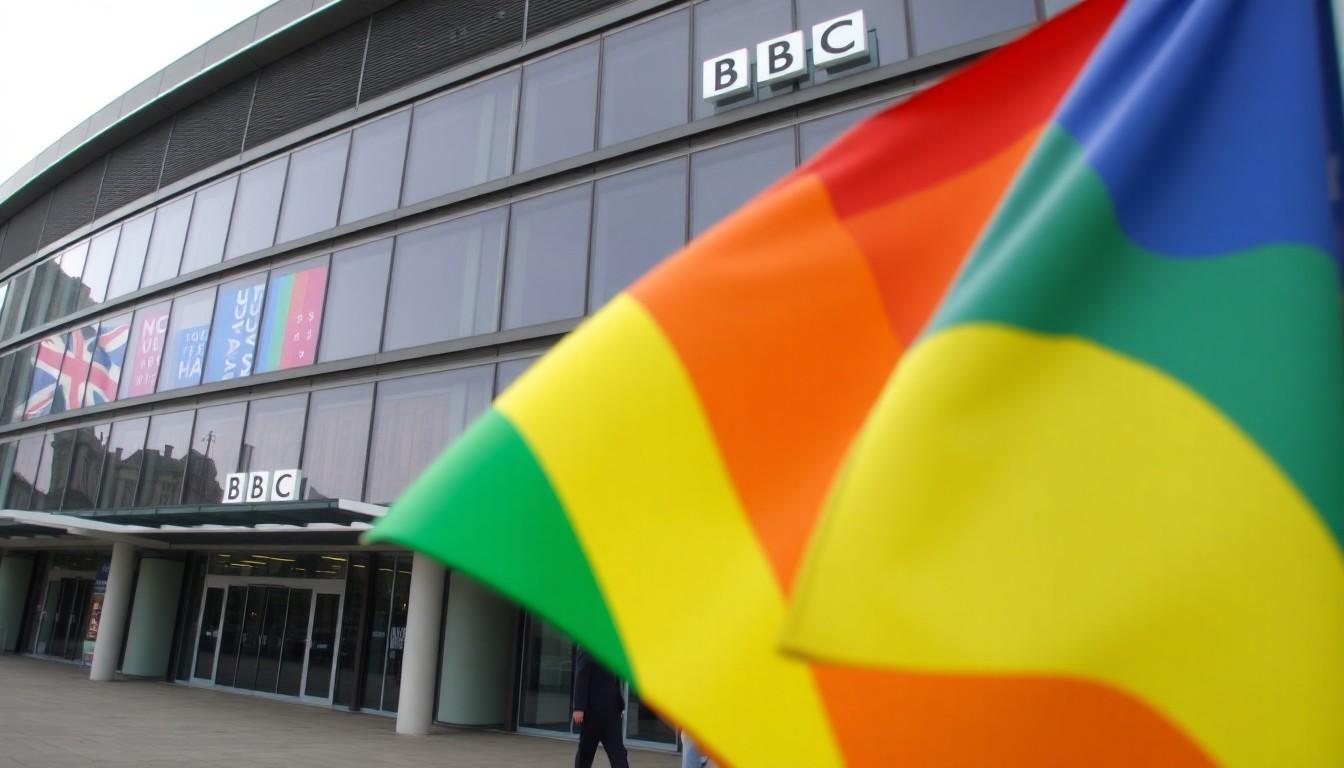
Fans are mourning the reported cancellation of Drag Race UK after eight colourful series, as the BBC points to financial pressures and wider cuts. The hit competition helped bring drag into living rooms across Britain, but its departure raises bigger questions about changing audience habits, queer representation and the future of popular reality television.
Essential Takeaways
- The BBC has reportedly dropped Drag Race UK: The decision follows broader financial pressures and planned staff reductions.
- Eight series have aired: The programme became one of the most recognisable international editions of the Drag Race franchise.
- It wasn't the only queer show affected: Other LGBTQ+ reality programmes have also reportedly been cancelled.
- Fans can still revisit the series: Previous episodes remain available through WOW Presents Plus.
- The cultural debate is continuing: The cancellation arrives amid a more hostile climate around queer and trans visibility in Britain.
Drag Race UK has lost its BBC home
The news lands with a distinctly flat feeling for a programme built on sparkle, shade and enormous opening looks. After eight series and two spin-offs, Drag Race UK is reportedly no longer part of the BBC's future schedule, leaving viewers wondering whether the show has reached its final runway.
The BBC has framed the move as a financial decision, against a backdrop of budget reductions and plans to cut around 500 jobs. The Independent reported on the cancellation and the reaction it prompted, while the programme's creators have pointed to the wider vulnerability of queer culture when broadcasters are under pressure.
That explanation may be financially plausible, but it won't stop fans asking why a much-loved show has become expendable. Popularity doesn't always protect a programme when commissioners are balancing shrinking budgets and competing demands.
Why the cancellation feels bigger than one TV show
Drag Race UK did more than crown winners. It introduced viewers to performers from across the country, brought regional accents and local references into a glossy global format, and made queer joy feel wonderfully ordinary on a Saturday night.
Its reach stretched beyond the LGBTQ+ audience, too. Families, casual viewers and long-time drag fans all found something to enjoy, whether that meant judging the runway, quoting a memorable lip-sync or simply admiring an outfit that looked impossible to sit down in.
Yet the format has faced tougher comparisons in recent years. Newer editions, including Drag Race España and Drag Race Philippines, have generated fresh excitement, while some viewers feel the UK version no longer has quite the same cultural spark as its earliest series.
A crowded franchise needs more than familiar sparkle
The first UK series arrived in 2019 with a sense of discovery. British drag had always had its own language and comic rhythm, but the show gave it a substantial international stage, complete with local humour and very British chaos.
Since then, the franchise has expanded dramatically. That growth is a strength, but it can also make each edition work harder to feel distinctive. A newer spin-off may seem more urgent simply because it offers unfamiliar references, new rivalries and a different drag tradition.
That doesn't make the later UK series failures. The cast continued to deliver memorable performances, and the appearance of the franchise's first South Asian UK queen, Lucky Roy Singh, marked an important moment. Still, even loyal viewers can sense when a programme's cultural moment has started to soften.
The timing has sharpened the political reaction
The cancellation is also being viewed through Britain's increasingly tense debate around LGBTQ+ rights, particularly trans visibility. According to the reported coverage, some online responses to the news quickly moved beyond scheduling and budgets, using hostile comparisons that reveal how contested drag and queer representation remain.
That reaction matters because it shows why representation can never be judged only by ratings. A drag competition may look like light entertainment, but it also gives performers space, visibility and a mainstream platform at a time when queer and trans lives are frequently treated as political battlegrounds.
The programme's end doesn't prove that cultural pressure caused the decision. The BBC's financial explanation remains central. But both things can be true: budgets can be under strain, and queer programming can still feel especially vulnerable when broadcasters decide what survives.
What fans can watch next
For now, the most practical option is a trip back through the archive. Previous series and other programmes in the wider franchise remain available on WOW Presents Plus, giving fans plenty of runway drama to revisit while the future remains unclear.
There are also reasons not to assume this is the absolute end. International franchises have a habit of returning in new forms, moving between platforms or reappearing when audience demand becomes difficult to ignore. A cancelled BBC run could eventually become a pause, a revival or a new home elsewhere.
For viewers, the clearest message is that support still counts. Watching legally, discussing the show and backing queer performers helps demonstrate that this audience hasn't simply disappeared. As any good queen knows, a final exit isn't always the same thing as the end of the act.
A glittering era may be over, but Drag Race UK still has plenty of life in its archive and its audience.
Source Reference Map
Story idea inspired by: [1]
Sources by paragraph: