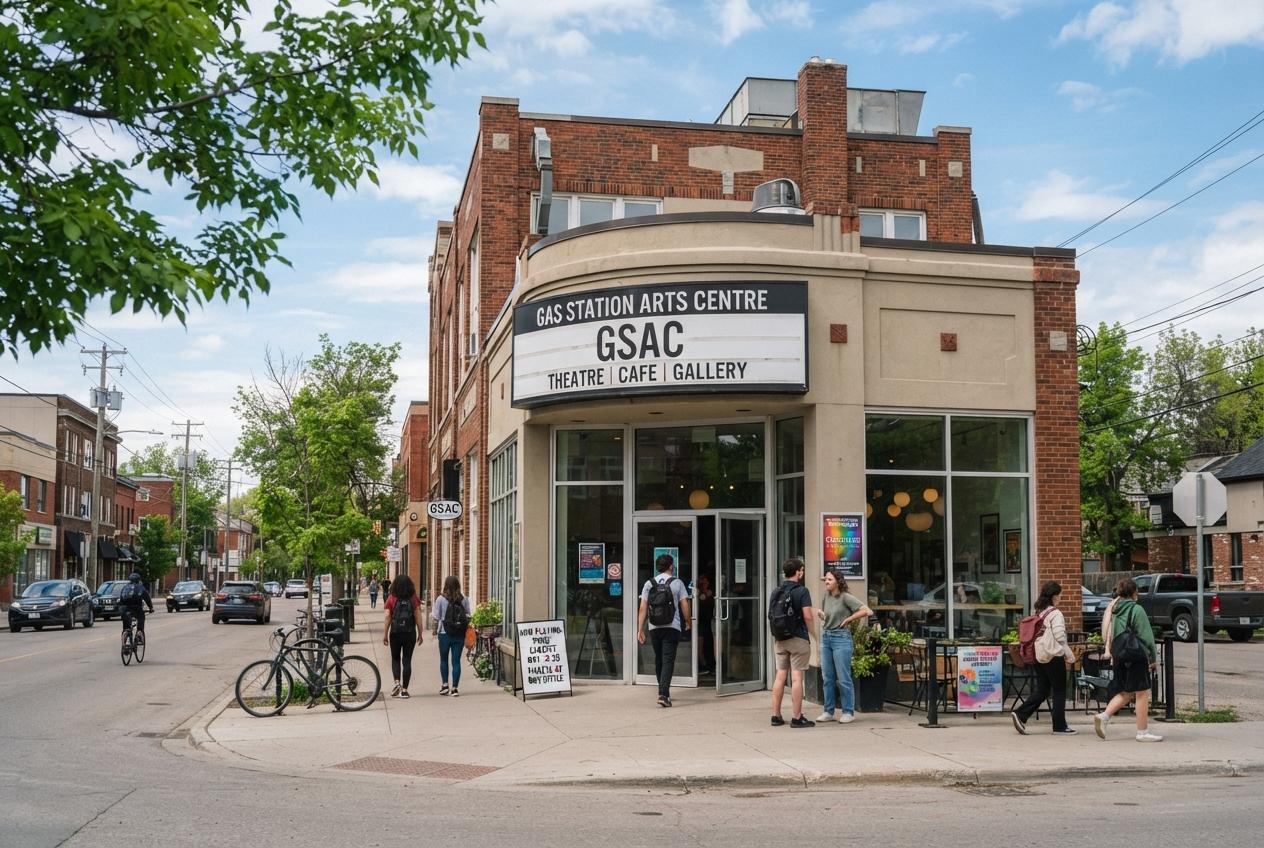
Film fans are swapping streaming queues for shared theatre seats as Reel Pride returns to Winnipeg from 16 to 20 September. Canada’s longest-running 2SLGBTQ+ film festival brings queer stories, emerging filmmakers and a welcoming community atmosphere to the Gas Station Arts Centre and Canadian Museum for Human Rights.
Essential Takeaways
- A landmark celebration: Reel Pride is marking its 41st year as Canada’s oldest 2SLGBTQ+ film festival.
- More than screenings: The event creates space for conversation, connection and community, not simply film watching.
- Local talent matters: Winnipeg filmmakers are part of the festival’s story, alongside work from further afield.
- Theatre beats scrolling: Live laughter, reactions and discussion offer something an individual streaming session can’t quite match.
- Plan ahead: Check the official festival listings for dates, venues, programme details and ticket information.
Why Reel Pride still matters in the streaming age
Streaming has made queer cinema easier to find, but convenience isn’t the same as connection. Reel Pride offers the more tactile experience of sitting in a room with strangers, hearing laughter ripple through the audience and feeling the mood change together.
That communal element has been part of the festival’s identity since its earliest days. According to Reel Pride’s background information, the event grew from community film nights organised in Winnipeg during the 1980s, eventually developing into the festival audiences know today.
There’s something quietly powerful about that history. A film watched alone can move you, but a packed screening can make that feeling feel shared and visible.
From community film nights to a Winnipeg institution
Reel Pride began with a practical need: creating opportunities for 2SLGBTQ+ people to see their lives and experiences represented on screen. Over time, those screenings became a regular cultural meeting point for Winnipeg’s queer community and its allies.
The festival now returns to Treaty 1 Territory, with venues including the Gas Station Arts Centre and the Canadian Museum for Human Rights. Its long-running presence has helped establish Reel Pride as a significant part of Winnipeg’s cultural calendar, rather than a niche event tucked away in the margins.
The official festival and history pages underline that broad purpose. Reel Pride isn’t only about what appears on screen; it’s also about who gets welcomed into the room and what conversations begin afterwards.
Local filmmakers give the programme a personal edge
International and Canadian films may draw plenty of attention, but local work often gives a festival its heartbeat. Winnipeg filmmaker Ande Brown’s return with the short film Half-Naked illustrates how Reel Pride can support artists at different stages of their careers.
Brown’s experience also points to the practical value of a supportive festival circuit. Screenings can provide visibility, encouragement and the confidence to keep making work, particularly when a filmmaker is still finding their voice.
That matters because representation isn’t just about seeing polished stories from elsewhere. It’s also about recognising local places, accents, creative teams and lived experiences. For audiences, that can make a screening feel surprisingly intimate.
What makes a film festival different from home viewing?
The obvious answer is atmosphere, but the difference runs deeper. In a cinema, reactions happen in real time. A joke lands across the room, a difficult scene creates a shared hush and the credits may lead naturally into conversation with the person beside you.
Reel Pride’s supporters have consistently highlighted that social dimension, while the festival’s public information presents gathering and community as central to its purpose. It’s a useful reminder that film festivals are social spaces first and viewing platforms second.
For anyone deciding whether to attend, choose screenings according to your mood as well as the title. A documentary may spark discussion, a short-film programme can offer variety, and a late screening might bring a livelier crowd. Arriving early is sensible, particularly if you want time to settle in or chat before the lights go down.
How to make the most of Reel Pride
Start with the official programme and check each film’s duration, classification and venue. If you’re attending several screenings, leave breathing space between them. Festivals can be wonderfully intense, but rushing across town with a half-finished snack isn’t the best way to enjoy the experience.
It’s also worth treating the surrounding conversation as part of the event. Look out for filmmaker appearances, discussions and opportunities to meet other audience members. Reel Pride’s long-running community focus suggests that the best moments may happen before or after the film itself.
Most importantly, go with an open mind. You don’t need to know every director or understand the full festival history to belong there. Sometimes the film you choose on a whim is the one you remember on the journey home.
A shared screen still has plenty to say
Reel Pride’s continuing appeal lies in its balance of celebration and purpose. It showcases queer cinema, supports filmmakers and creates a public space where 2SLGBTQ+ audiences can see their stories treated as worthy of attention, discussion and joy.
The festival’s official materials and listings reinforce that continuing role in Winnipeg’s cultural life. After more than four decades, its message remains refreshingly straightforward: stories matter, representation matters and gathering together matters too.
Trade the sofa for a theatre seat and let the room do some of the storytelling.
Source Reference Map
Story idea inspired by: [1]
Sources by paragraph:
- Paragraph 1: [2], [3]
- Paragraph 2: [4], [5]
- Paragraph 3: [6], [7]
- Paragraph 4: [2], [3]
- Paragraph 5: [4], [6]
- Paragraph 6: [2], [5]
- Paragraph 7: [3], [7]
- Paragraph 8: [2], [4]
- Paragraph 9: [3], [6]
- Paragraph 10: [5], [7]
- Paragraph 11: [2], [3]
- Paragraph 12: [4], [5]
- Paragraph 13: [6], [7]
- Paragraph 14: [2], [3]