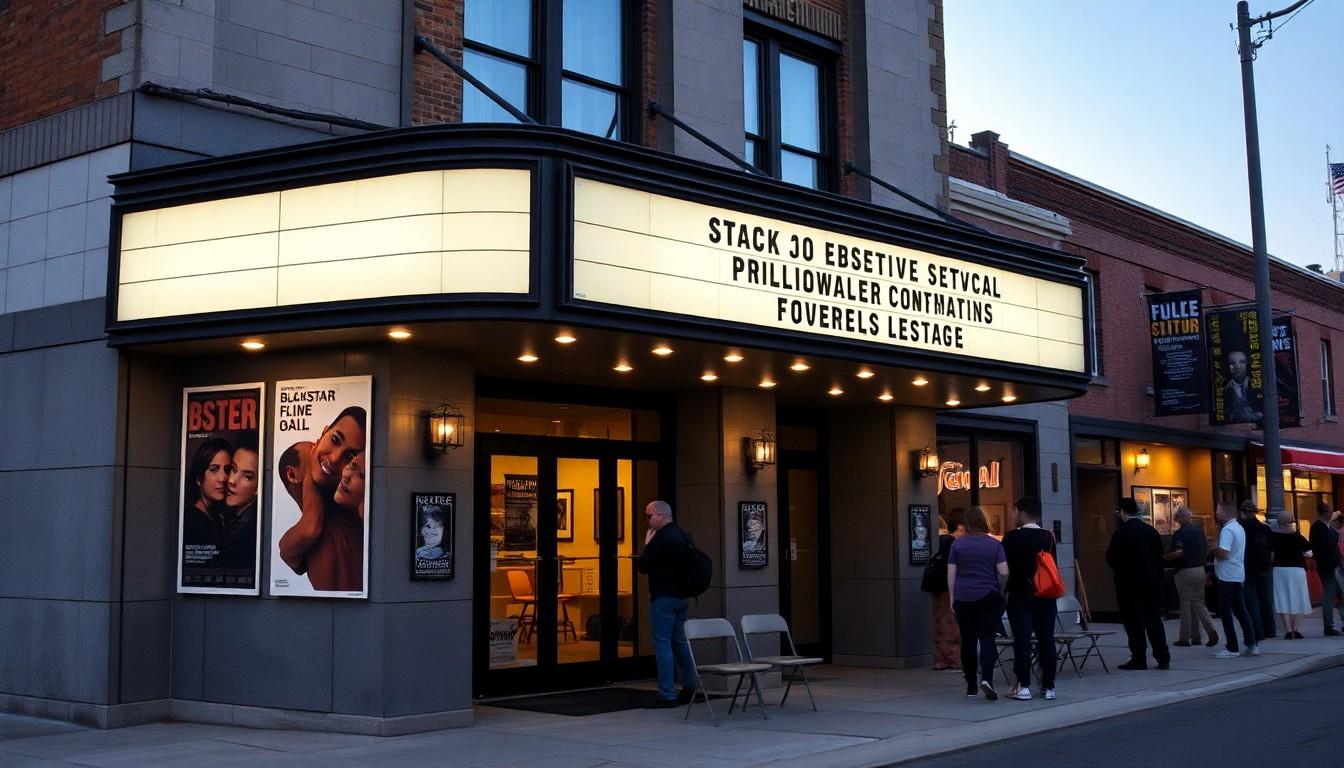
Viewers are being drawn towards art documentaries that refuse easy answers, from a Barbara Hammer biography to an unflinching film about American doctors working in Gaza. Across cinema, photography and experimental storytelling, these releases matter because they connect personal lives with urgent political questions, while still leaving room for pleasure, surprise and debate.
Essential Takeaways
- Barbara Hammer gets a personal portrait: Barbara Forever explores the late filmmaker’s life and work through her own visual language.
- Gaza becomes the central moral question: American Doctor follows three humanitarian physicians confronting the consequences of war and US policy.
- BlackStar marks 15 years: Philadelphia’s festival continues to champion experimental, diasporic and polyphonic filmmaking.
- Protest photography gets a critical look: A documentary about Misan Harriman asks whether activism can be diminished when struggle is made too beautiful.
- Art-world satire turns dark and playful: I Want Your Sex uses power, desire and performance to mock the industry’s more absurd habits.
Barbara Hammer’s life, seen through her own lens
The most intimate film in this collection may also be the quietest. Barbara Forever presents the late queer filmmaker not simply as a subject to be explained, but as an artist still in conversation with her own images, ideas and legacy.
That approach matters. Hammer’s work was rooted in the body, desire, ageing and visibility, so a conventional cradle-to-career biography might have felt oddly stiff. Instead, the film appears to let her visual language lead, creating something closer to a dialogue across time. According to Hyperallergic, it works as both biography and self-portrait, which is a fitting form for an artist who spent her career challenging fixed ways of seeing.
There’s an emotional charge in watching an artist revisit herself through film. It feels less like a museum label and more like finding an old reel in a drawer, still flickering with life.
American Doctor asks who gets heard
The Gaza documentary is the most politically direct title in the line-up. It follows three American doctors on medical missions as they confront catastrophic conditions, personal exhaustion and the wider consequences of a conflict funded and defended by the United States.
Reports from the Guardian and public radio stations including WYSO, KEDM, KOSU, WVIA and Montana Public Radio describe a film centred on the doctors’ experiences in Gaza. Their testimony gives the documentary its human scale, but the larger argument is harder to ignore: medical work becomes a way of examining political responsibility, media silence and the distance between public rhetoric and lived reality.
That makes American Doctor more than a hospital documentary. It’s an account of what happens when professional duty collides with moral injury, and when the people treating the wounded are also forced to become witnesses.
BlackStar’s 15 years of bold cinema
Philadelphia’s BlackStar Film Festival has grown into a major home for experimental and diasporic storytelling. Its 15th edition reflects that ambition, bringing together films concerned with memory, repatriation, cultural history and the many ways communities make themselves visible.
Founder Maori Karmael Holmes looks back on the festival’s evolution as it has become a platform for polyphonic cinema. That word is important: BlackStar isn’t built around one approved version of identity or politics. It makes space for competing voices, unruly forms and films that may not fit comfortably into the usual festival categories.
Among the highlighted films are works about Anishinaabe repatriation, the life of art historian Dr Leslie King Hammond and Puerto Rican history on New York’s Upper West Side. Together, they suggest a festival interested in archives that have been neglected, distorted or deliberately pushed aside.
When protest becomes too polished
A documentary about photographer and activist Misan Harriman raises a thorny question for anyone who follows protest imagery: can photographs meant to mobilise people end up making resistance look stylish rather than urgent?
The concern is not that Harriman’s images lack force. It’s that the visual language of contemporary activism can sometimes smooth away discomfort. According to Hyperallergic’s criticism, the film risks aestheticising the movements it documents, turning political struggle into something composed, dramatic and easily consumed.
That tension is worth sitting with. Powerful images can bring distant events close, but beauty can also create a comfortable viewing distance. The best protest photography does both jobs at once: it catches the eye, then refuses to let the viewer look away.
Art-world satire gets messy and entertaining
Not every film here wants to deliver a solemn lesson. I Want Your Sex, starring Olivia Wilde as a power-hungry artist, takes aim at the art world’s appetite for transgression, status and sexual performance.
The film is described as a caricature rather than a finely balanced critique, and that may be part of its charm. Instead of carefully diagnosing the industry, it throws its characters into an exaggerated world of ego and desire, where everyone seems to be auditioning for their own scandal.
Sometimes satire works best when it’s a little excessive. The result may not offer the sharpest account of contemporary art, but it sounds like an enjoyable provocation, especially for viewers who recognise the familiar mix of ambition, insecurity and theatrical self-importance.
Art cinema is at its most rewarding when it can hold grief, anger, pleasure and absurdity in the same frame.
Source Reference Map
Story idea inspired by: [1]
Sources by paragraph: