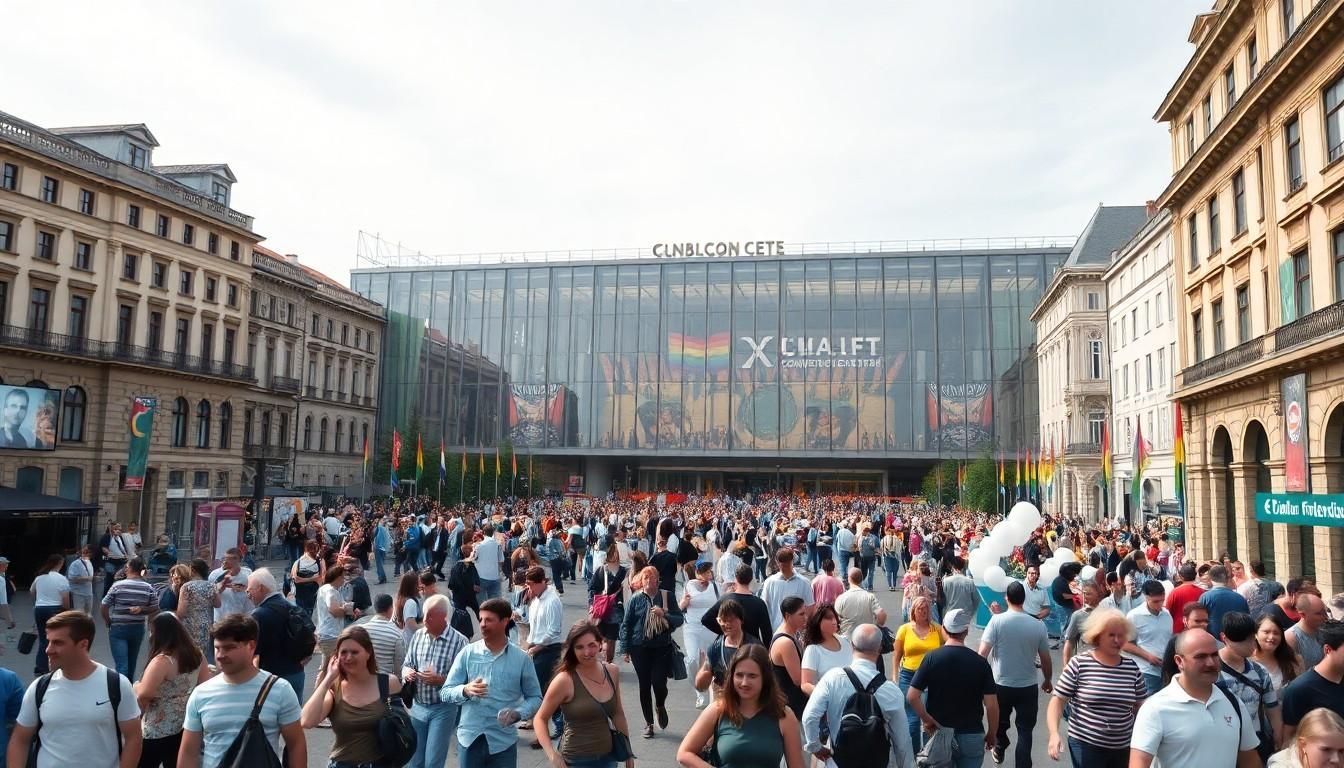
Travellers are increasingly planning European city breaks around Pride, with Amsterdam, Madrid, London and Cologne drawing more than six million attendances in 2026. Together, the celebrations generated an estimated €403 million in tourism spending, showing why major cultural events now matter to hotels, restaurants, transport operators and local shops.
Essential Takeaways
- Four cities led the figures: Amsterdam, Madrid, London and Cologne shared the spotlight.
- More than six million attendances: Pride celebrations created a powerful flow of domestic and international visitors.
- €403 million in spending: Hotels, restaurants, transport, retail and entertainment all benefited.
- The events were multi-day experiences: Parades sat alongside concerts, exhibitions, nightlife and community programmes.
- Planning matters: Visitors should book accommodation and transport early, particularly for central neighbourhoods and peak weekends.
Pride is becoming a reason to travel, not just an event
The headline figure is hard to ignore: Pride celebrations across four major European cities generated €403 million in tourism spending. The impact stretched well beyond parade routes, reaching cafés, hotels, museums, shops, taxis and public transport.
That makes Pride part of the modern city-break economy. Travellers aren't simply arriving for one afternoon, then heading home. They're booking rooms, eating out, exploring neighbourhoods and often adding extra days to experience the city properly. According to Data Appeal, the four destinations recorded more than six million attendances in total. [4]
The atmosphere is part of the appeal, too. Streets become brighter, public spaces busier and ordinary city landmarks take on a celebratory edge. For visitors, that combination of participation and sightseeing can feel more memorable than a conventional weekend away.
Amsterdam, Madrid, London and Cologne offer different experiences
Amsterdam has the postcard-ready setting, with canal districts, museums and compact neighbourhoods that are easy to explore between events. Its strong transport links also help international visitors move around without needing to stay directly beside the busiest celebrations.
Madrid brings a warmer, late-night energy. The Chueca district is closely associated with Pride, while the wider city adds restaurants, galleries, historic streets and a famously sociable nightlife scene. Europa Press reported that Madrid was among the four destinations included in the tourism-spending analysis. [2]
London offers scale and variety. Visitors can combine Pride activities with theatre, museums, major landmarks and dining across a sprawling capital, although that size also means choosing accommodation near reliable transport is particularly useful.
Cologne adds a more intimate European festival feel, with a historic centre, Rhine-side setting and established reputation for large cultural gatherings. Travel Daily News noted that the German city formed part of the group attracting substantial Pride-related visitor activity. [5]
Why the money spreads across the whole city
Large cultural festivals work differently from a single attraction. They create repeated reasons to spend, from a morning coffee and museum visit to an evening meal, taxi journey or late-night event.
Accommodation is usually the first visible beneficiary, but the effect doesn't stop at hotels. Restaurants, bars, retailers, entertainment venues and mobility providers all see more customers when visitors remain in a destination for several days. Mercado & Eventos highlighted the broad tourism significance of the €403 million generated across the four cities. [3]
That wider distribution matters for city economies. A visitor might attend an official event but spend the rest of the day in a less central neighbourhood, supporting businesses that aren't directly involved in the festival itself. In other words, the parade may be the hook, but the city becomes the product.
How to plan a Pride-focused European city break
If you're travelling for Pride, book early and think beyond the event timetable. Central hotels can fill quickly, while prices often rise around the busiest weekends. A location near a metro, tram or rail connection may be more practical than staying beside the main celebration.
It's also worth checking the full programme rather than focusing only on the headline parade. Concerts, exhibitions, talks, community gatherings and nightlife can change the best area to stay in, especially if your plans run across several days.
For fast chewers of travel itineraries, build in breathing room. A quiet museum visit, canal walk or long lunch can make a packed festival weekend feel much less frantic. Data Appeal's analysis suggests that Pride visitors contribute across several tourism categories, so leaving time to explore benefits both the traveller and the wider local economy. [4]
Event tourism is reshaping European travel
The bigger lesson is that travellers are increasingly choosing destinations because something is happening there. Pride is a particularly visible example, but the same pattern applies to music festivals, food events, sporting competitions and art biennales.
For cities, these occasions can raise international visibility, strengthen quieter travel periods and encourage repeat visits. India Outbound reported that the four Pride destinations attracted more than six million attendances, underlining the scale of event-led travel demand. [6]
There is also a human dimension that the figures can't fully capture. A festival gives people a reason to visit, but the feeling of being welcomed, part of a crowd and connected to a place is often what brings them back. European cities appear to have recognised that emotional pull, and Pride is now firmly part of the continent's tourism story.
It's a small trip on paper, but a major boost for the cities hosting it.
Source Reference Map
Story idea inspired by: [1]
Sources by paragraph: