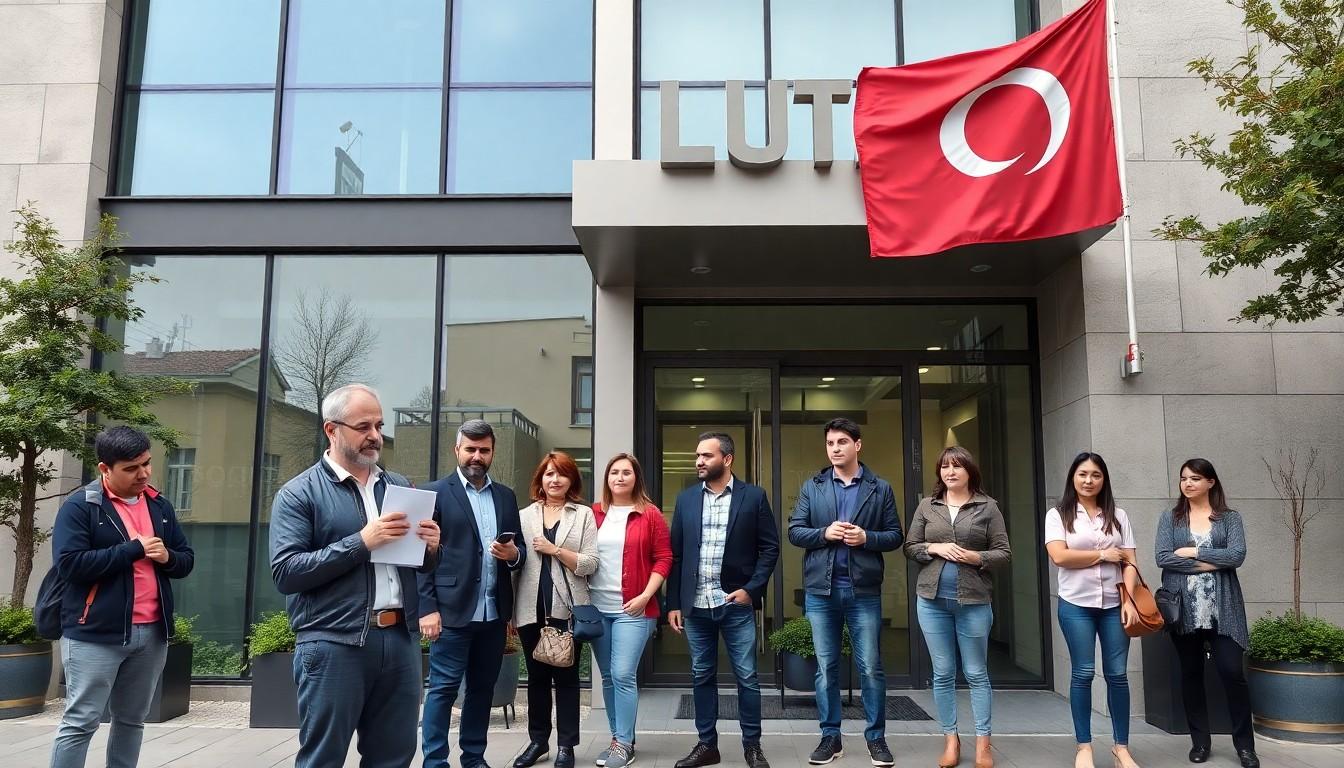
Authorities in Ankara have arrested 13 people following the “Ailem Güvende” operation, including LGBT+ rights advocates, association members and journalist Tuğba Tekerek. The case has drawn attention across Türkiye because it combines allegations linked to association law and “obscenity” with concerns about freedom of expression and LGBT+ rights.
Essential Takeaways
- Thirteen people arrested: Five trans women were detained earlier, followed by eight others.
- Eight new arrests: Those detained include Kaos GL members, LGBT+ rights defenders and journalist Tuğba Tekerek.
- Seven released under supervision: They face an overseas travel ban and weekly reporting requirements.
- The allegations: Authorities cited alleged violations of association law and offences involving supposedly obscene publications.
- The wider operation: The investigation has been reported as part of a broader, multi-city campaign.
Ankara arrests intensify scrutiny of “Ailem Güvende”
The latest court decisions bring the total number of arrested people in the Ankara investigation to 13. The group includes five trans women detained earlier, as well as association representatives, rights campaigners and journalist Tuğba Tekerek.
The arrests followed a hearing at Ankara’s sixth Criminal Judgeship of Peace. According to reports, eight people were remanded in custody after prosecutors alleged possible offences including breaches of Turkey’s Associations Law and the distribution or display of material deemed obscene. The case is likely to attract further attention because the accusations touch both civil society work and journalism.
Who has been detained?
Those newly arrested reportedly include seven full members connected with the organisations involved, among them trans rights advocate Janset Kalan, Galader member Nedime Erdoğan and trans rights advocate Umut Derin. Tuğba Tekerek, a journalist, was also among those sent to prison pending further proceedings.
The court cited the suspects’ roles within their associations, police reports and material published on websites and social media accounts. Authorities argued that there was a strong suspicion of criminal activity and that detention was necessary because of possible flight or interference with evidence, according to the reports.
For supporters of LGBT+ rights groups, however, the arrests raise a familiar question: where does legitimate scrutiny of an organisation end, and where does pressure on lawful advocacy begin? That distinction will matter as the case develops.
Seven people released under judicial controls
Seven reserve members were not sent to prison. Instead, the court imposed judicial controls, including a ban on leaving Türkiye and a requirement to report once a week, reportedly every Sunday.
The judges took account of their reserve status, the fact that their statements had been taken and the assessment that much of the evidence had already been gathered. The court also found no concrete indication that they would flee or hide, while noting that they had fixed addresses.
That split decision offers a useful reminder that detention hearings often turn on individual circumstances, not just the headline allegations. Still, a travel ban and weekly sign-in obligation can significantly affect work, family life and the ability to participate in public campaigns.
A wider operation across Türkiye
The Ankara case appears to form part of a wider “Ailem Güvende” operation reported across several provinces. Earlier coverage said that dozens of people had been detained in different locations, while other reports described a broader investigation involving 15 provinces and 162 suspects.
The scale has made the operation more than a local court story. It has become part of a wider debate over how Turkish authorities treat LGBT+ organisations, trans people and publications connected with sexual identity or rights advocacy.
Details remain important here. Arrests do not amount to convictions, and the allegations still need to be tested through due process. The wording used in official decisions can also carry heavy consequences before a trial has reached its conclusion.
What happens next?
The eight newly arrested suspects will remain in custody while the investigation continues, unless a later court decision changes their status. The seven people released under controls must comply with the reporting and travel restrictions imposed on them.
The case may also prompt further legal and public challenges from rights groups, lawyers and press freedom organisations. Previous reporting on the investigation has already highlighted concern over the detention of trans women and the treatment of civil society activists.
For readers following developments, the most useful markers will be any indictment, future detention reviews and statements from the defendants’ lawyers or organisations. Until then, the central story is one of a widening investigation with serious implications for LGBT+ rights, association freedom and journalism in Türkiye.
This is a developing case, and arrest is not proof of guilt.
Source Reference Map
Story idea inspired by: [1]
Sources by paragraph: