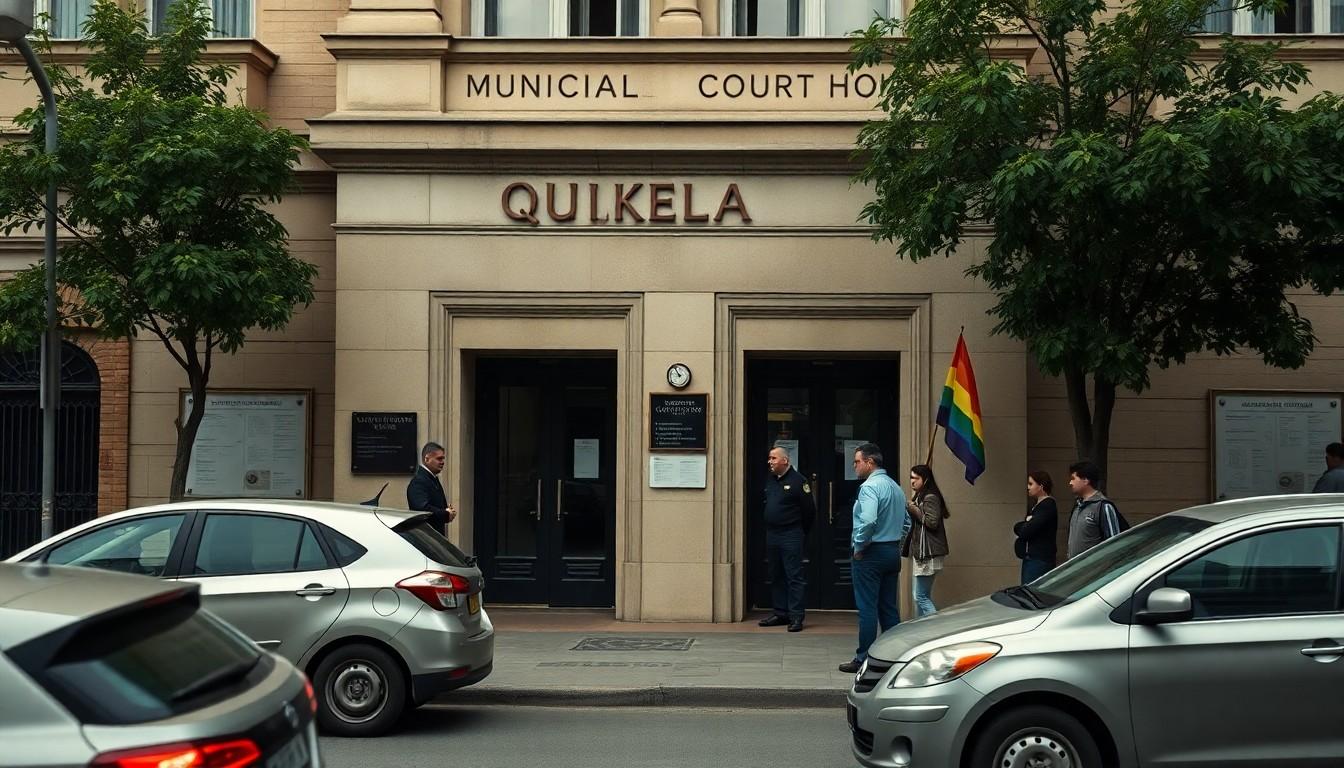
LGBTI+ groups, activists and queer-friendly venues across Turkey have been swept into a major police operation, prompting fears that ordinary community life is being recast as criminal. The action, linked by officials to a national family policy, has intensified concerns about free expression, association and safety for LGBTI+ people.
Essential Takeaways
- Wide-ranging operation: Authorities said action was taken against 162 people, nine associations and 13 businesses across several provinces.
- Serious allegations: Investigators cited obscenity, prostitution, organised crime and drug-related offences.
- Funding under scrutiny: International donations to LGBTI+ organisations were presented as part of the investigations, despite claims that the groups operate legally and report their finances.
- Community safety concerns: Activists say LGBTI+ people organise to protect themselves from violence, discrimination and isolation.
- Growing pressure: The operation follows years of restrictions, hostile rhetoric and limits on public assembly affecting queer communities.
A crackdown reaches beyond protests
The latest operation has touched far more than street demonstrations. LGBTI+ associations, rights defenders and businesses used by the community were among those targeted, creating a chilling message for anyone involved in queer life in Turkey.
According to Bianet, Justice Minister Akın Gürlek said the authorities had taken legal action against 162 people, nine associations and 13 businesses. Officials connected the investigation to the government’s planned 2026-2035 family and population decade, as well as a presidential circular.
The scale is striking. It suggests that the issue is no longer limited to how authorities manage public rallies or marches, but extends to organisations, venues and the everyday infrastructure that helps a marginalised community function.
Why the word ‘obscenity’ matters
At the centre of the allegations is the charge of obscenity, a broad and emotionally loaded term. Yıldız Tar, editor-in-chief of Kaos GL’s news outlet, said the label was being applied to photographs, reporting, writing and images of same-sex couples.
That matters because vague accusations can make ordinary expression feel dangerous. A news story, a fundraising project or a photograph may be treated very differently depending on who is looking at it, leaving organisations unsure where lawful advocacy ends and alleged criminality begins.
Earlier reporting by Bianet has documented the use of anti-LGBTI+ public messaging and the targeting of queer organisations at political gatherings. Taken together, those episodes show how language can shift public perceptions before legal action follows.
Funding claims put civil society under pressure
The investigation has also focused on overseas donations and project finance received by LGBTI+ organisations. Tar argued that registered associations already disclose their funding and submit to regular checks by public authorities, meaning the existence of international support shouldn't automatically imply wrongdoing.
This is a familiar pressure point for civil society groups. International grants often pay for legal advice, health information, safety work and research, especially where public funding is unavailable. Treating that support as inherently suspicious can make essential services harder to deliver.
Bianet has previously reported on disputes involving LGBTI+ groups and official institutions, including accusations that organisations themselves are part of a threat. The broader concern is simple: if transparent accounting is portrayed as evidence of a criminal network, even routine administration can become risky.
What it means for people on the ground
For many LGBTI+ people, organising isn't an abstract political project. It can mean finding a safe venue, locating legal support, reporting violence or meeting others without fear. Activists say the community builds these networks because discrimination and attacks remain real risks.
Reports from Gaziantep have described LGBTI+ and trans people avoiding assembly areas because of hate speech. Other Bianet coverage has recorded police intervention against peaceful LGBTI+ gatherings, reinforcing the sense that public visibility can carry a heavy cost.
That helps explain why the latest operation has caused such alarm. When associations and venues are targeted, people may lose not only a campaigning platform but also a practical lifeline. The quiet consequences can include cancelled events, reduced support and greater isolation.
A wider test for rights and accountability
The operation is now being watched as a test of Turkey’s treatment of freedom of association, expression and equal citizenship. Rights groups and politicians have condemned the crackdown, while activists insist that sexual orientation and gender identity are not something to be corrected or criminalised.
Bianet has also reported criticism of conversion practices and anti-LGBTI+ rhetoric, both of which sit within a wider international debate about whether governments are protecting people from harm or legitimising discrimination. The distinction matters, particularly when claims about children are used to justify restrictions on an entire community.
For Tar, the central demand is modest but powerful: LGBTI+ people want to be treated as human beings in the country where they were born and live. That should hardly sound radical, yet the current climate makes it an urgent reminder.
It's a small sentence with a very large implication: equality can't depend on whether a community is politically convenient.
Source Reference Map
Story idea inspired by: [1]
Sources by paragraph: