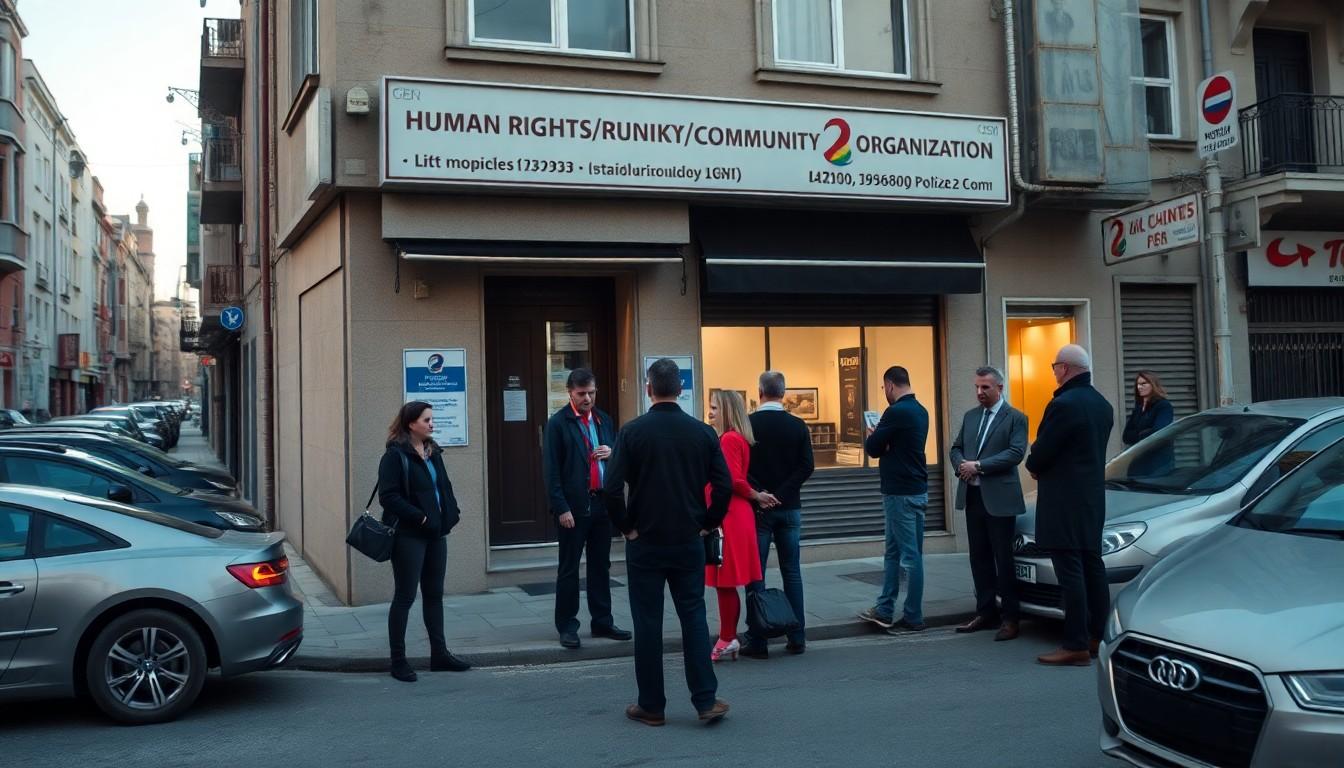
Rights groups are sounding the alarm after raids, arrests and digital restrictions targeted LGBTQ+ organisations and activists in Turkey. The action has raised fresh questions about freedom of association, online speech and the risks facing civil society groups, while supporters insist that defending equality and human dignity is lawful human rights work.
Essential Takeaways
- Organisations targeted: Kaos GL and other LGBTQ+ civil society groups were among those affected by searches, detentions and equipment seizures.
- Sixteen people jailed: Greek publication Kathimerini reported that a Turkish court jailed 16 people after raids in Izmir.
- Digital access restricted: Websites and social media accounts linked to activists and organisations were reportedly limited or blocked.
- Rights at stake: The concerns include freedom of expression, privacy, association and protection from discrimination.
- International pressure growing: Advocacy groups are urging diplomatic missions and human rights bodies to monitor the situation closely.
Raids put Turkey's LGBTQ+ civil society under pressure
The latest crackdown has brought an unsettling image into focus: civil society offices searched, electronic devices taken away and activists detained for work that supporters describe as peaceful and lawful. For organisations that rely on secure communications and public outreach, losing equipment or online access can feel like having the lights switched off.
Kaos GL, a prominent Turkish LGBTQ+ rights organisation and a member of the Sex Workers' Rights Advocacy Network, was reportedly among those targeted. The concerns extend beyond individual arrests, because disrupting an organisation's staff, records and communications can make its wider work much harder to continue.
What happened in Izmir?
Reports from Turkish authorities' actions in Izmir have added weight to the wider concerns. Kathimerini reported that 16 people were jailed following raids on LGBTQ+ groups, while other activists and civil society representatives were also reportedly detained.
The allegations and legal grounds surrounding each case remain central to the debate. Advocacy organisations are calling for authorities to explain the evidence behind the investigations, rather than relying on broad language around morality, family values or public order. That distinction matters: vague wording can leave peaceful community work looking suspicious before a court has properly tested the facts.
Why digital restrictions matter so much
For modern rights organisations, social media and websites aren't optional extras. They're where people find support, access health information, report abuse and learn about their legal rights. Restricting those channels can isolate vulnerable communities quietly, without the drama of a courtroom.
The reported seizure of electronic devices also raises privacy concerns. Phones and computers may contain confidential messages, contact details and sensitive case information. If activists and service users can't trust those systems, even routine safety and health work becomes more difficult.
The legal rights at the centre of the dispute
Turkey is bound by major international agreements, including the European Convention on Human Rights and the International Covenant on Civil and Political Rights. These frameworks protect liberty, privacy, expression and association, as well as the right to live free from discrimination.
The UN Declaration on Human Rights Defenders also recognises the right of people and organisations to promote human rights without intimidation or retaliation. SWAN argues that programmes supporting sex workers' health, safety and rights must not be misrepresented as encouraging criminal activity. That is a particularly important point in a climate where advocacy can be recast as wrongdoing.
What happens next for activists and civil society?
SWAN is urging Turkish authorities to release anyone detained solely because of peaceful human rights work, identity or association with LGBTQ+ organisations. It is also calling for the restoration of access to digital platforms where restrictions lack a necessary and proportionate legal basis.
International organisations, diplomats and civil society groups are being asked to keep watching the cases and raise concerns directly with Ankara. The coming weeks will show whether the arrests become a prolonged pressure campaign or prompt greater scrutiny of the evidence and procedures involved.
For the people affected, the issue is starkly personal. A seized laptop or silenced account isn't just a technical inconvenience; it can mean losing a lifeline, a colleague or a safe place to ask for help.
Human rights work should protect people, not put them on trial.
Source Reference Map
Story idea inspired by: [1]
Sources by paragraph: