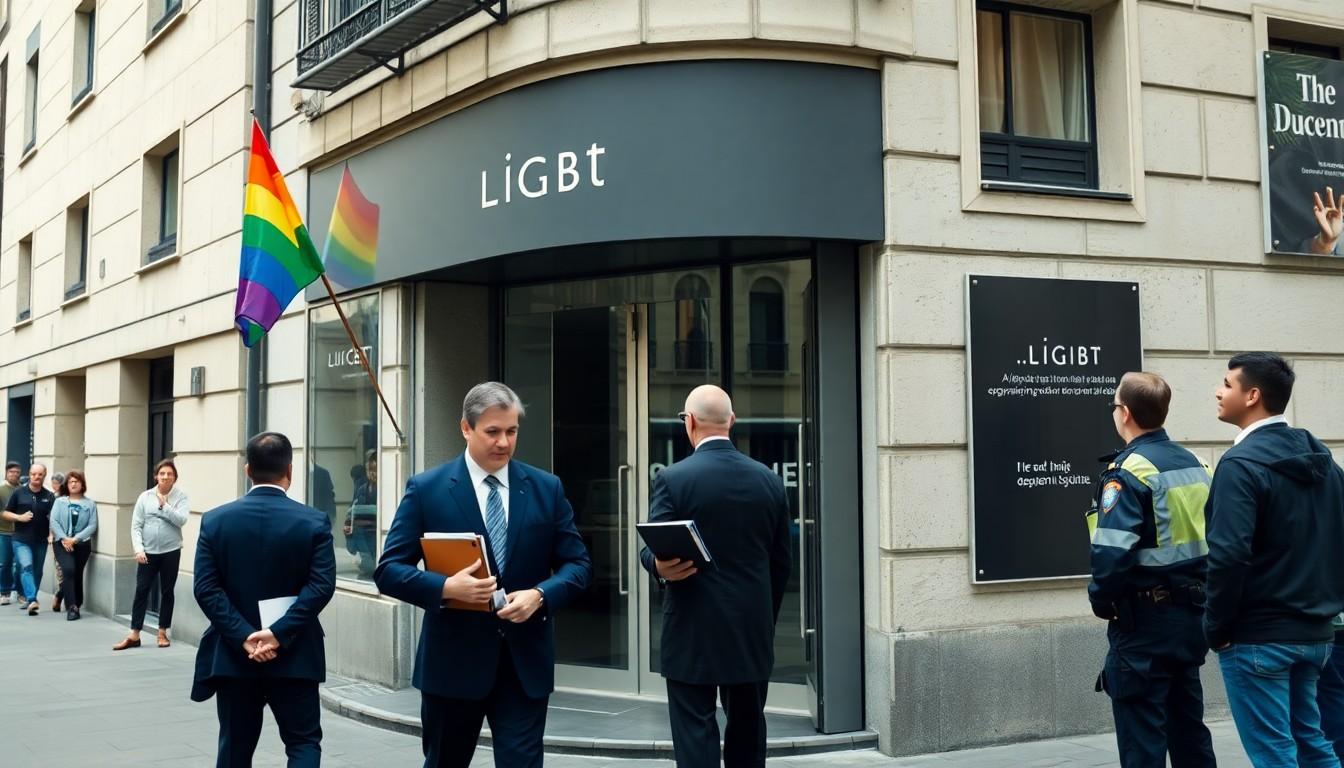
European officials are watching Turkey’s latest LGBT activist arrests closely after dozens of people were detained in a nationwide operation. The case has renewed questions about civil liberties, the safety of community organisations and Ankara’s responsibilities as an EU candidate country and Council of Europe member.
Essential Takeaways
- At least 47 people detained: The arrests followed searches at LGBT community organisations across Turkey.
- EU monitoring the case: The European Commission said it was closely following the latest developments.
- Human rights at the centre: EU officials stressed that dignity and equal rights apply regardless of sexual orientation or gender identity.
- Campaign framed around family values: Turkish authorities linked the operation to investigations involving alleged prostitution and indecent conduct.
- Wider concern is growing: Rights groups describe the arrests as part of a broader escalation against LGBT people and organisations.
Dozens detained after raids across Turkey
The latest crackdown began with searches at offices linked to LGBT organisations, followed by the detention of at least 47 people, according to reports carried by the Associated Press. The operation reportedly stretched across 12 provinces, turning what many activists regard as safe community spaces into scenes of police activity.
The allegations cited by Turkish authorities include prostitution and indecent behaviour. Officials have presented the campaign as an effort to defend family values, but rights organisations say the use of criminal investigations against LGBT groups risks turning identity, advocacy and community support into targets. The contrast is stark: quiet offices, suddenly surrounded by police, and a community left wondering who might be next.
Brussels says Turkey must protect equal rights
The European Commission has expressed concern over the arrests and related legal proceedings. Commission spokesman Christian Wigand said the institution was following events closely, while underlining Turkey's duties as an EU candidate and a longstanding member of the Council of Europe.
That message matters because Turkey's relationship with Europe isn't limited to trade or diplomacy. It also involves expectations around human rights, the rule of law and individual dignity. The EU's statement placed LGBT protections within that wider framework, rather than treating them as a narrow domestic dispute.
Rights groups warn of a broader escalation
ILGA-Europe has described the latest developments as an alarming increase in pressure on LGBT activists and organisations. Its statements point to a pattern in which groups providing support, advocacy and community services face growing legal and political hostility.
The timing has also heightened concern among international observers. Human Rights Watch has reported on a wider crackdown in Turkey ahead of a NATO summit, adding to fears that pressure on civil society is becoming more normalised. When arrests and raids arrive in waves, activists can find themselves spending less time helping others and more time planning for their own safety.
Why the case matters beyond Turkey
The arrests have implications for anyone tracking democratic standards in countries seeking closer ties with European institutions. Turkey remains an EU candidate country, but negotiations have long been strained by concerns over judicial independence, freedoms of expression and assembly, and the treatment of civil society groups.
For LGBT organisations, the practical consequences can be immediate. Raids may disrupt counselling, legal support and health information, while criminal allegations can create lasting reputational damage even before a court reaches a conclusion. The sensible question for observers is not only how many people were detained, but whether the process respects due legal safeguards.
What could happen next?
The immediate focus will be on whether those detained are released, formally charged or brought before a court. Rights groups are likely to seek transparency around the evidence, the legal basis for the searches and the treatment of people held during the investigation.
The EU's response may remain cautious, particularly given its broader relationship with Ankara and Turkey's strategic importance. Still, the public warning sends a clear signal: European institutions are keeping the case on the record. For activists and supporters, that international attention may offer some reassurance, even as the pressure at home continues.
The next test will be whether Turkey's authorities allow scrutiny, due process and peaceful civil society work to continue.
Source Reference Map
Story idea inspired by: [1]
Sources by paragraph: