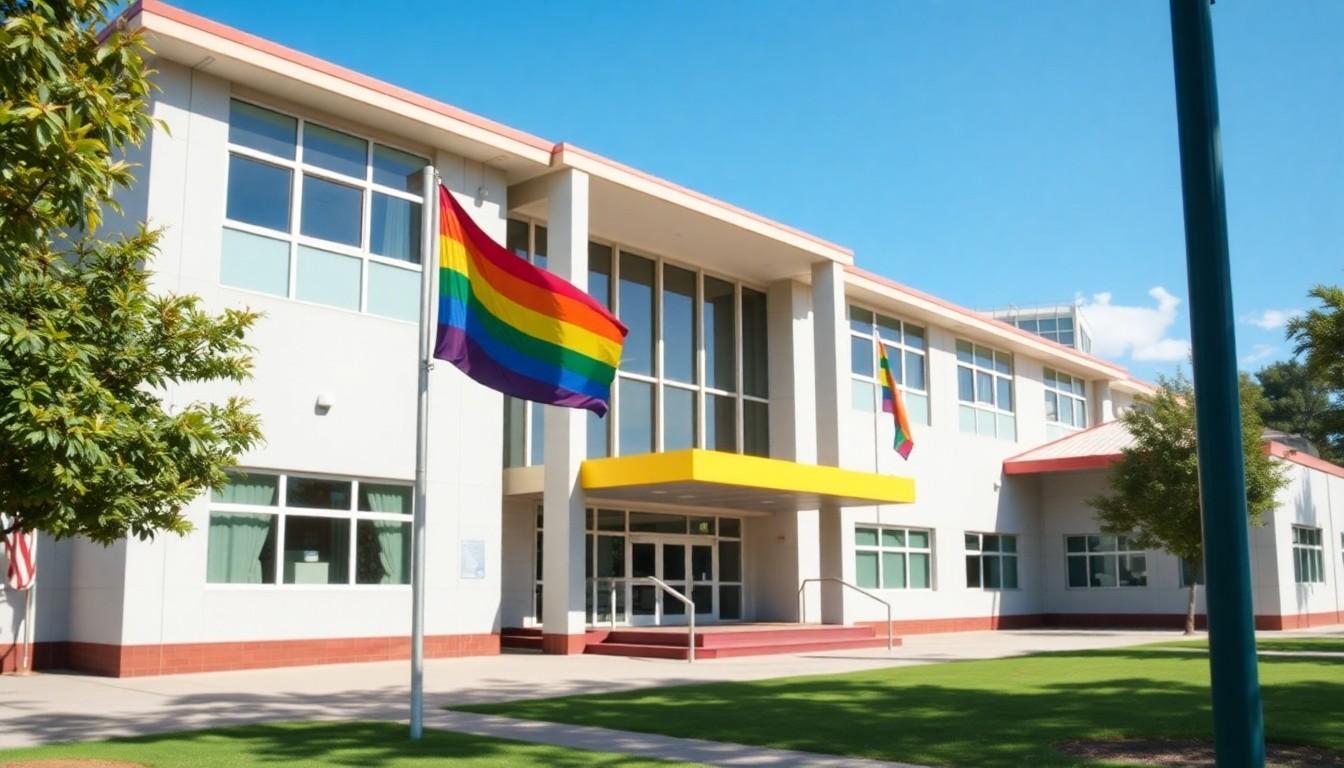
Supporters are rallying behind a new Queensland petition urging the Education Department to restore LGBTQIA+ workplace inclusion measures, including Pride in Diversity. The campaign matters because staff wellbeing, professional training and student safety are closely linked, as parliamentary records and reports on the department’s membership decision continue to fuel debate across the state.
Essential Takeaways
- A new petition: Shelley Argent is calling for Queensland’s Education Department to continue LGBTQIA+ workplace inclusion support.
- Growing backing: The campaign has attracted more signatures than the earlier petition opposing the department’s Pride in Diversity membership.
- Staff and students: The petition argues that supported employees help create safer, more welcoming schools.
- Practical support: It calls for training, resources and professional guidance to address discrimination, harassment and bullying.
- A wider debate: The department says its decision followed a review of external memberships, while critics fear inclusion support could be weakened.
A familiar advocate is asking Queenslanders to act
The latest campaign puts a simple idea at its centre: school inclusion starts with the adults in the building. Shelley Argent, a longtime LGBTQIA+ rights campaigner, is urging Queenslanders to sign a parliamentary petition after the Education Department moved away from its relationship with Pride in Diversity.
That message has clearly struck a chord. Reporting on the campaign says the new petition has already passed the earlier petition opposing the department's involvement, giving the issue fresh visibility in Queensland's education debate.
Argent's appeal is deliberately practical rather than abstract. She wants LGBTQIA+ staff to feel secure at work, and for schools to have the tools to prevent and respond to mistreatment. The result, supporters argue, should be a calmer and safer environment for students as well.
Why Pride in Diversity has become the flashpoint
Pride in Diversity is a workplace inclusion programme, not a classroom teaching scheme. Queensland's Education Department has said its membership was staff-focused, rejecting claims that the arrangement dictated lessons, student activities or recruitment practices, according to reporting on the dispute.
The department's decision followed a review of external memberships. It had been involved with the programme since 2018 and was recognised as a Platinum Employer in the 2026 Australian Workplace Equality Index awards, making the withdrawal feel especially significant to supporters.
That contrast explains much of the tension. One side sees the membership as a workplace resource for employees, while opponents have portrayed it as an influence on what happens in schools. The disagreement is less about a single programme than about who gets to define inclusion and how it should be delivered.
The numbers behind the safety argument
Argent's petition points to Australian research suggesting that many LGBTQIA+ young people don't experience school as a consistently safe place. The figures cited include 60 per cent feeling unsafe or uncomfortable because of sexuality or gender identity, and 28 per cent reporting verbal harassment.
Those statistics give the campaign its emotional weight. A school can have an inclusion policy on paper, but a student walking through a corridor after being mocked, or a teacher hesitating before mentioning their family, may experience that policy very differently.
The petition details held by the Queensland Parliament provide the formal route for the campaign, while coverage from LGBTQIA+ outlets has encouraged the wider community to support it. For families, the practical question is straightforward: are schools equipped to respond when prejudice appears, rather than simply promising to do better afterwards?
What the petition is asking the department to restore
The campaign calls for Queensland's Education Department to continue participating in LGBTQIA+ workplace inclusion initiatives, including Pride in Diversity, and to rejoin programmes where support has been removed. It also asks for professional development, resources and guidance for staff.
Those requests matter because inclusion depends on more than slogans. Staff need clear procedures, confident leadership and training that helps them deal with bullying, harassment and discrimination without leaving individual teachers to improvise.
For parents and carers, this is also a useful distinction. Supporting LGBTQIA+ employees isn't separate from student welfare. A teacher who feels backed by their employer may be better placed to recognise exclusion, challenge homophobic or transphobic behaviour and reassure a worried young person.
A debate likely to remain in the spotlight
The earlier petition, lodged by Queensland parent Nerissa Pace, helped trigger the dispute by challenging the department's relationship with ACON's programme. The department has maintained that Pride in Diversity was a staff membership, rather than a student curriculum initiative, according to reports about the decision.
Argent's response draws on a long history of family-led LGBTQIA+ advocacy. Her public work grew from wanting her gay son to have the same rights and opportunities as his sibling, and she has since campaigned nationally for acceptance, equality and support for families.
The new petition therefore carries both a policy demand and a personal message. It asks the government to show that inclusion is part of everyday school leadership, not an optional extra that can quietly disappear when public debate becomes uncomfortable.
What Queensland families can watch next
The petition's progress will offer a useful signal of how strongly Queenslanders want the Education Department to maintain formal inclusion support. Parliament's petition process gives the campaign an official channel, although the final impact will depend on how the department responds and whether practical measures follow.
Families can read the petition details, consider the department's explanation and look for evidence of what schools are actually providing: staff training, clear anti-bullying procedures, trusted support contacts and visible leadership.
For students, those details can matter more than any press release. Feeling welcome is often built through small, repeated experiences, from a teacher who listens properly to a school that responds quickly when something goes wrong.
It's a small policy decision with a very human question underneath: do LGBTQIA+ people feel they belong at school?
Source Reference Map
Story idea inspired by: [1]
Sources by paragraph:
- Paragraph 1: [2], [4]
- Paragraph 2: [5], [6]
- Paragraph 3: [2], [7]
- Paragraph 4: [4], [5]
- Paragraph 5: [2], [3]
- Paragraph 6: [6], [7]
- Paragraph 7: [4], [5]
- Paragraph 8: [2], [3]
- Paragraph 9: [6], [7]
- Paragraph 10: [4], [5]
- Paragraph 11: [2], [3]
- Paragraph 12: [6], [7]
- Paragraph 13: [2], [4]
- Paragraph 14: [3], [5]
- Paragraph 15: [6], [7]
- Paragraph 16: [2], [3]
- Paragraph 17: [4], [5]
- Paragraph 18: [6], [7]