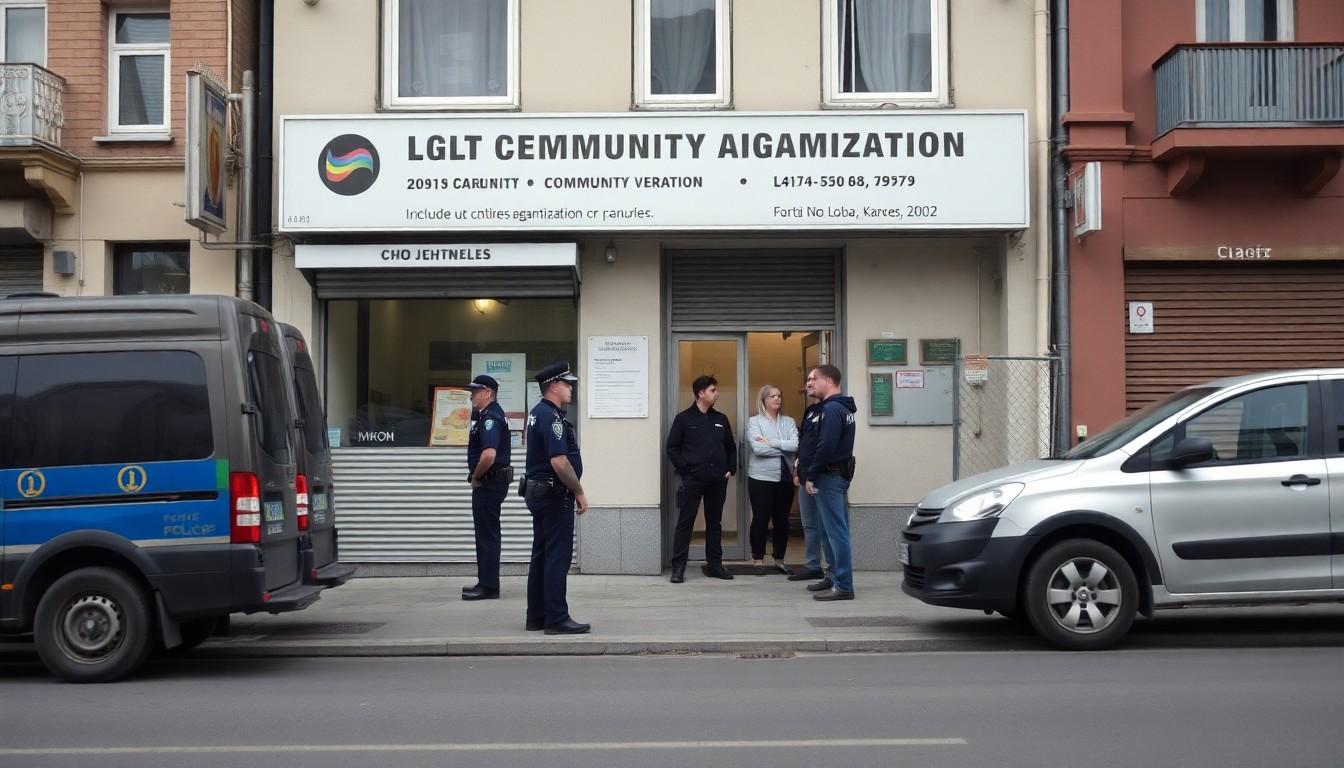
Turkish authorities have detained dozens of people in raids targeting LGBTQ+ and HIV-awareness organisations, prompting condemnation from rights groups. The operation, centred on Istanbul and Ankara, has also reportedly restricted access to community websites and social media, raising wider concerns about civil society, public information and the safety of people seeking support.
Essential Takeaways
- At least 47 detained: Prosecutors reported 26 arrests in Istanbul and 21 in Ankara, while Kaos GL gave a higher estimate.
- Figures differ: The totals come from separate official and community accounts, so no single number has been confirmed.
- Organisations were targeted: The raids reportedly involved LGBTQ+ rights and HIV-awareness groups, including people taken from their homes.
- Online access was affected: Kaos GL said some LGBTQ+ websites and social-media accounts were blocked or restricted.
- Allegations remain unproven: Authorities cited claims including prostitution and obscenity, but detention isn't evidence of guilt.
Dozens detained as raids sweep Istanbul and Ankara
The strongest image from the operation is also the most unsettling: community workers and activists reportedly being taken from homes and offices while the organisations supporting them become harder to reach. Reuters reported that Turkish prosecutors announced 26 detentions in an Istanbul investigation and a further 21 in Ankara.
Kaos GL, one of Turkey's best-known LGBTQ+ organisations, reported at least 50 people detained, including activists taken from their homes. The different figures aren't a minor footnote. They show how quickly information can become contested during a politically sensitive investigation. Reuters reported the official total, while Kaos GL provided a broader community account.
The raids reportedly began early on a Sunday and focused on LGBTQ+ rights and HIV-awareness groups. The Associated Press described the operation as part of investigations involving community organisations and activists. (Sources: Reuters and the Associated Press.)
Why the official and community accounts differ
When authorities and advocacy groups publish different totals, readers are left with an uncomfortable gap between what has been confirmed and what may still be emerging. Prosecutors' figures cover their own investigation, while Kaos GL's count may include people detained in connected actions or cases not yet reflected in official statements.
Earlier reporting on Turkey has also documented large-scale detentions linked to banned Pride events. Alturi reported on LGBTQ+ activists detained during a Pride march, while Euronews covered the detention of transgender activists at a prohibited demonstration. Those episodes provide context, but they shouldn't be treated as proof that every current detention relates to the same circumstances.
The sensible approach is to keep the numbers attributed and avoid presenting allegations as verdicts. That may sound cautious, but in cases involving criminal accusations and marginalised communities, accuracy matters enormously. (Sources: Alturi and Euronews.)
Authorities frame the operation around family protection
Justice Minister Akin Gurlek presented the investigations as a way to protect children, families and public order, according to the Associated Press. Authorities also cited allegations including prostitution and obscenity.
Those claims remain allegations, not established facts. Turkey's Human Rights Association condemned the raids as politically motivated and accused officials of using criminal accusations to stigmatise the wider LGBTQ+ community. The contrast between the government's language and the response from rights advocates is central to understanding why the operation has sparked such concern.
Similar reports from Turkish media have described investigations involving LGBTQ+ groups and dozens of detentions. One report cited 26 people detained in the latest raids, while another described a larger operation involving 113 LGBTQ+ activists. The varying accounts underline both the scale of previous actions and the need to distinguish separate incidents carefully. (Sources: the Associated Press, Soz6 and Gazettengr.)
Blocked websites could leave people without vital support
The raids weren't only about people in custody. Kaos GL also reported restrictions affecting websites and social-media accounts connected with LGBTQ+ organisations and advocates.
That matters because these platforms often provide much more than campaign news. They can offer HIV information, legal guidance, mental-health resources, event updates and a first point of contact for someone who feels isolated. When an office is inaccessible or a website suddenly disappears, support can become quiet, distant and frighteningly difficult to find.
The practical impact is especially serious for people who don't have a trusted local network. Reports of earlier Pride-related detentions show how quickly public gatherings and community visibility can be disrupted. Online restrictions add another layer, turning a search for help into a hunt for a working link or a safe channel. (Sources: Kaos GL's account as reported by Reuters, Alturi and Euronews.)
What happens next will matter beyond the detainees
The immediate questions are straightforward but important: who remains detained, what charges have been filed, whether lawyers and families have access, and whether the affected organisations can continue operating. Until those details are independently clarified, public discussion should stay anchored to verified information and due process.
There is also a wider issue. LGBTQ+ people aren't just symbols in a political argument; they're neighbours, relatives, partners and colleagues who rely on ordinary protections and reliable access to care. As the investigations develop, scrutiny from rights groups and international observers will be important, particularly around the treatment of detainees and the future of independent civil society.
A community service can look small from the outside, but for the person who needs it at midnight, it may be the only open door. (Sources: the Associated Press, Reuters and the Human Rights Association's response as reported in the supplied coverage.)
It's a small matter of access on paper, but a major question of safety and dignity in real life.
Source Reference Map
Story idea inspired by: [1]
Sources by paragraph:
- Paragraph 1: [2], [7]
- Paragraph 2: [1], [2]
- Paragraph 3: [2], [3]
- Paragraph 4: [3], [5]
- Paragraph 5: [2], [7]
- Paragraph 6: [4], [7]
- Paragraph 7: [2], [3]
- Paragraph 8: [1], [2]
- Paragraph 9: [1], [5]
- Paragraph 10: [2], [3]
- Paragraph 11: [2], [4]
- Paragraph 12: [2], [7]
- Paragraph 13: [2], [3]
- Paragraph 14: [2], [5]
- Paragraph 15: [2], [7]
- Paragraph 16: [2], [3]
- Paragraph 17: [2], [5]