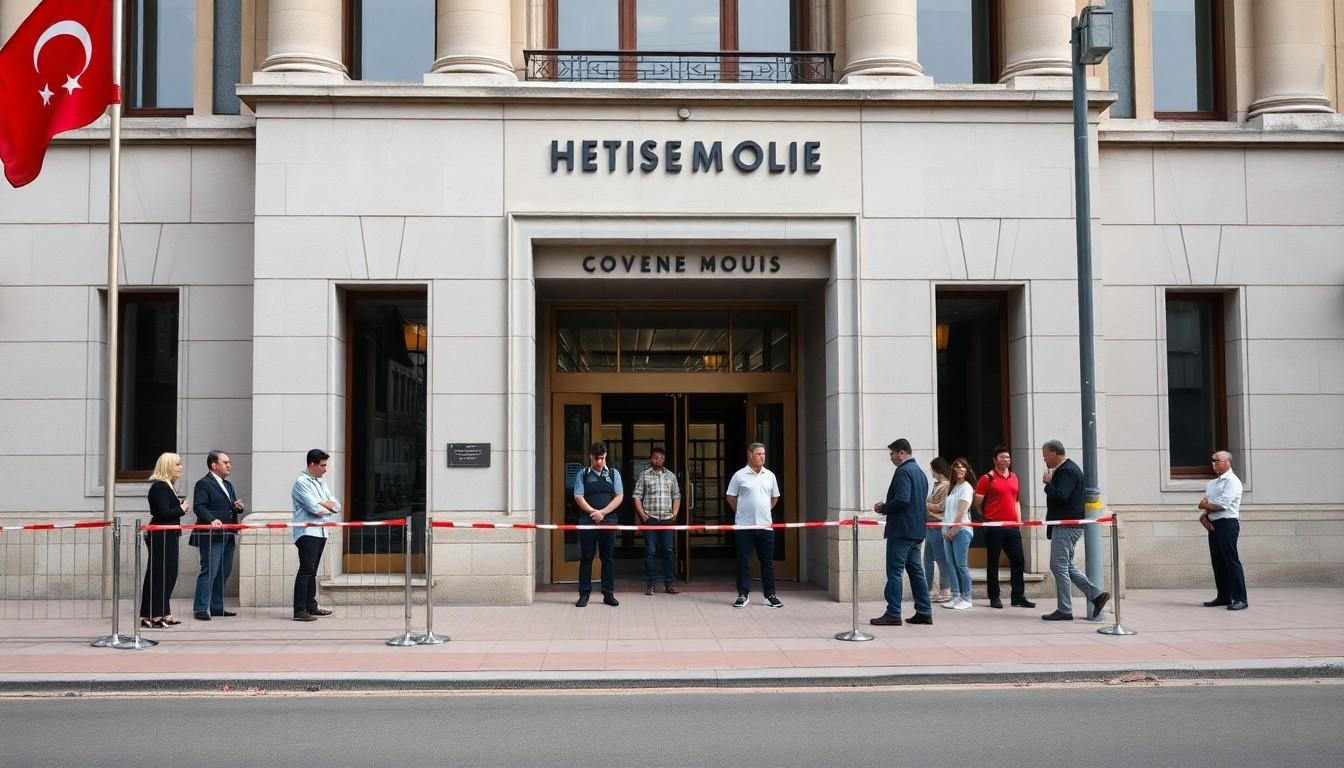
Rights groups say the latest operations targeting LGBT+ activists in Turkey mark a troubling escalation, while European criticism has reignited a familiar argument about outside commentary and ongoing investigations. The case matters because it sits where civil liberties, judicial independence and political pressure collide.
Essential Takeaways
- Activists targeted: The operations reportedly involve LGBT+ campaigners and Kaos GL figures.
- Rights concerns: LGBT+ organisations have described a wider pattern of discrimination and hostility.
- European criticism: European officials condemned the raids before the Turkish investigations had concluded.
- The central tension: Critics say scrutiny is necessary, but legal responsibility still rests with prosecutors and courts.
- Why it matters: The dispute could further chill advocacy and public debate in Turkey.
The raids have sharpened an already tense debate
The immediate concern is straightforward: what exactly prompted the arrests and searches, and were proper legal safeguards followed? Until prosecutors publish the evidence and courts examine it, the public is left with a swirl of allegations, political statements and understandable anxiety.
For LGBT+ groups, however, the raids don't exist in isolation. Kaos GL has repeatedly warned that hostility towards LGBT+ people is becoming embedded in public institutions and political language. Its reporting describes a climate in which discrimination can feel less like a series of isolated incidents and more like a steady, organised pressure campaign.
That makes the timing especially sensitive. A police operation involving activist organisations can have an impact well beyond those detained, leaving volunteers, donors and ordinary community members wondering whether visibility itself has become risky.
Kaos GL says discrimination is becoming institutional
Kaos GL has documented what it calls systematic hostility towards LGBT+ people, including restrictions on advocacy and a growing use of exclusionary rhetoric. The organisation's human rights work focuses on recording violations, supporting victims and bringing concerns to international bodies, rather than simply reacting to individual cases.
That work gives the latest controversy a broader context. The group has previously raised LGBT+ rights concerns with the United Nations Human Rights Committee, arguing that discrimination is being reproduced through official practice as well as public debate.
There is a human cost to that pattern. When a campaign group is searched or its members detained, it can make even routine activities, such as legal advice, community meetings or reporting abuse, feel exposed. For people already living with stigma, that quiet pressure can be as powerful as a headline-grabbing ban.
Why European criticism arrived so quickly
European reaction has focused on the apparent scale of the operations and the rights of those targeted. Nacho Sanchez Amor, the European Parliament's Turkey rapporteur, described the raids as a serious escalation and accused the Turkish authorities of imposing a moral agenda.
That intervention has fuelled a familiar dispute. Supporters say international criticism is essential when fundamental rights may be at risk, particularly when the affected organisations have limited protection at home. Kaos GL's own international engagement reflects that view, with activists seeking outside scrutiny when domestic institutions appear unwilling or unable to respond.
Critics, meanwhile, argue that politicians should avoid declaring a legal process unlawful before the evidence has been tested. Both points can coexist. International observers can demand transparency and due process without pretending to know the final verdict, while Turkish authorities can investigate legitimate allegations without treating criticism as interference.
The practical question is due process
The most useful test now is not which side produces the strongest statement, but whether the investigation follows clear legal standards. That means access to lawyers, prompt information about allegations, judicial oversight of detention and proper protection for confidential material.
It also means distinguishing between identity, belief and evidence. Being LGBT+, supporting LGBT+ rights or working for an advocacy organisation isn't, by itself, proof of a crime. If prosecutors allege specific offences, those allegations should be stated clearly and assessed individually rather than allowing an entire movement to be treated as suspect.
Rights groups can help by documenting what happens to detainees and monitoring hearings. International institutions can press for access and transparency. Turkish courts, ultimately, must decide whether the evidence meets the required standard.
What happens next could shape civil society
The immediate outlook depends on whether the authorities bring formal charges, release detainees or extend the investigation. Each step will be watched closely by activists, diplomats and organisations working on freedom of association.
Kaos GL's long-running human rights programme suggests that the group is likely to continue recording alleged violations and seeking international attention. That persistence matters, particularly when public pressure can discourage smaller organisations from speaking out.
The wider lesson is uncomfortable but important. A functioning legal system should be strong enough to investigate genuine wrongdoing and restrained enough not to punish identity or peaceful advocacy. As one might put it, the court should decide the case, not the loudest political voice.
It's a small distinction in wording, but a very large one for civil liberties.
Source Reference Map
Story idea inspired by: [1]
Sources by paragraph: