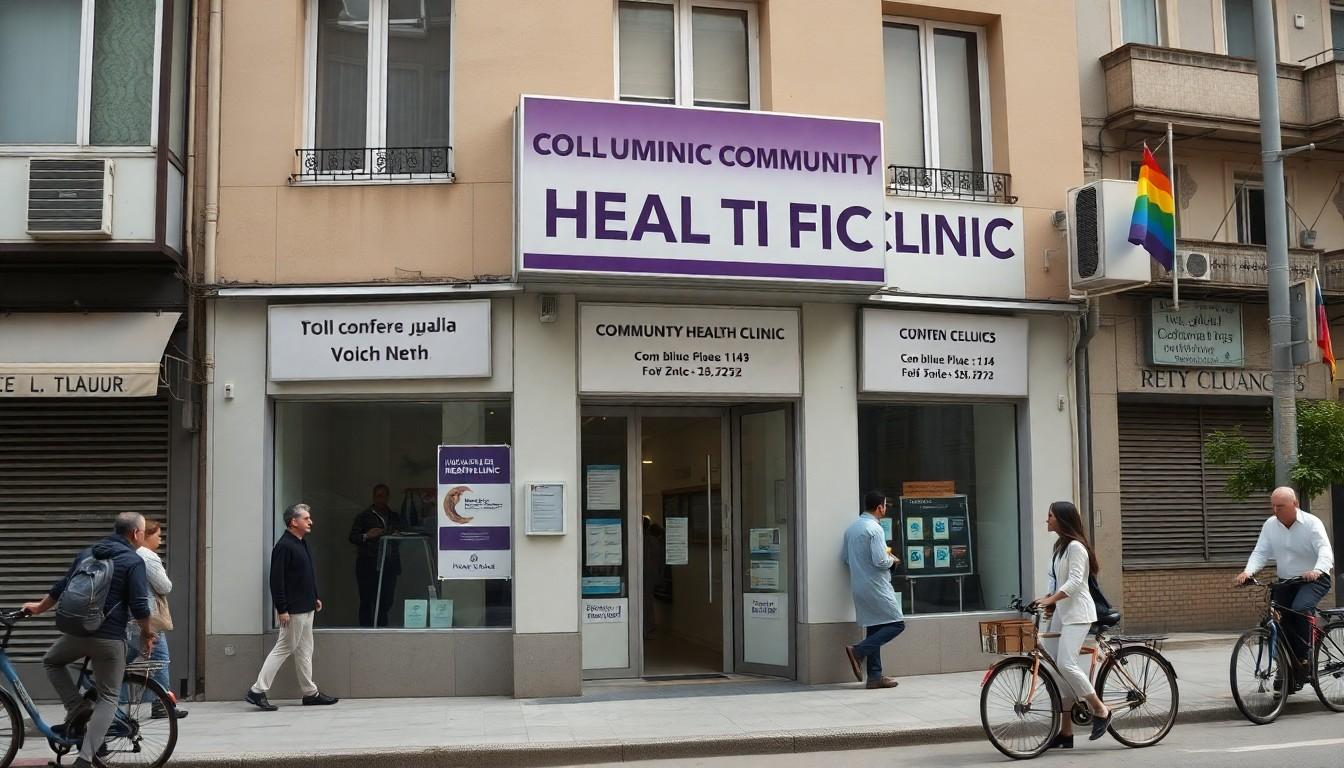
Community organisations supporting MSM and trans communities are preparing for a major new funding opportunity, with Aidsfonds set to make €2 million available for HIV services, advocacy and inclusive healthcare across selected countries and regions.
Essential Takeaways
- Funding available: The first round will distribute €2 million and could support up to 20 organisations.
- Application dates: The full call is due to open on 21 September 2026, with proposals closing on 25 October 2026.
- Who it's for: Established MSM- and trans-led organisations, including some unregistered groups with a fiscal host.
- What it supports: HIV services, advocacy, evidence-building, health-system integration and organisational strengthening.
- Where it applies: Uganda, Nigeria and selected countries in Eastern Europe and Central Asia, plus Southwest Asia and North Africa.
A new lifeline for community-led HIV work
The strongest feature of the ActHIVate Fund is its flexibility. Rather than treating HIV care as a standalone medical issue, the programme links peer-led services with advocacy, human rights and longer-term health-system change.
That matters in places where stigma, criminalisation or hostile politics can make a routine clinic visit feel anything but routine. Community organisations often provide the trusted, discreet support that mainstream services struggle to offer, from prevention and testing referrals to treatment links and follow-up care.
The wider funding climate makes this especially urgent. HIVMA has warned that protecting public investment in HIV programmes remains essential as services face political and financial pressure, while organisations such as Mpact Global continue to highlight the importance of community-led responses for LGBTQ+ people. [2], [6]
What the ActHIVate grants will support
Successful applicants will be able to propose work across three connected areas: community-led HIV healthcare, strategic advocacy and the integration of inclusive services into existing health systems.
That could include prevention activity, treatment referrals, follow-up support and related health services identified as important by local communities. Organisations may also use their experience to document service gaps and barriers, creating evidence that can strengthen conversations with governments and health providers.
The fund also recognises that advocacy organisations need sturdy foundations. Core support can help groups improve their capacity, planning and resilience, rather than forcing every pound into a tightly restricted project budget. That approach echoes the work of initiatives such as Melanated Movement, which centres community power and leadership in HIV advocacy. [5]
Who can apply, and where?
The main applicants are registered local organisations led by MSM and trans community members. They should be able to show meaningful experience delivering HIV services, conducting advocacy and working with public authorities or healthcare systems.
Unregistered groups aren't automatically excluded. Those with an established fiscal host may also be eligible, although the full rules will only become clear when the official Request for Proposals is published.
The first round is expected to cover Uganda, Nigeria, selected countries in Eastern Europe and Central Asia, and selected countries in Southwest Asia and North Africa. Projects must focus on one country, so regional proposals spanning several nations won't fit the scheme.
Prepare now, but wait for the full RFP
The full call is scheduled to open on 21 September 2026, with the application deadline set for 25 October. Funding decisions are expected in mid-December, followed by implementation from April 2027 through December 2028.
Potential applicants can use the waiting period wisely by gathering registration or fiscal-host documents, leadership details, previous programme evidence and a clear description of the communities they serve. It's also worth mapping the barriers faced locally, from discrimination and confidentiality concerns to gaps in prevention or treatment access.
Budgets need careful attention. The fund won't cover medicines, vaccines, PrEP or antiretroviral treatment, nor will it support large infrastructure projects, major capital purchases, conferences or multi-country work. Research should have a clear connection to service delivery or advocacy, rather than sitting apart as an academic exercise.
Why community decision-making could matter
Aidsfonds plans to use a grantmaking committee made up of community leaders and regional experts. The intention is to make funding decisions closer to the people who understand the risks, practical realities and quiet work involved in reaching underserved communities.
That model is welcome in a sector where organisations can spend too much time explaining their communities to distant funders. Recent campaigns and sector responses, including efforts to defend queer, trans and HIV care from local cuts, show how quickly service gains can be threatened when political priorities shift. [3], [7]
The ActHIVate Fund won't solve every pressure facing community-led organisations, but it offers something valuable: resources for immediate care alongside the evidence and advocacy needed to improve systems over time. Aidsfonds' public engagement with LGBTQ+ communities also reflects the visibility and solidarity that underpin this work. [4]
Prospective applicants should monitor the official Aidsfonds announcement and review the final eligibility rules as soon as the portal opens. [1]
A well-prepared application could turn trusted local expertise into safer, more inclusive healthcare.
Source Reference Map
Story idea inspired by: [1]
Sources by paragraph: