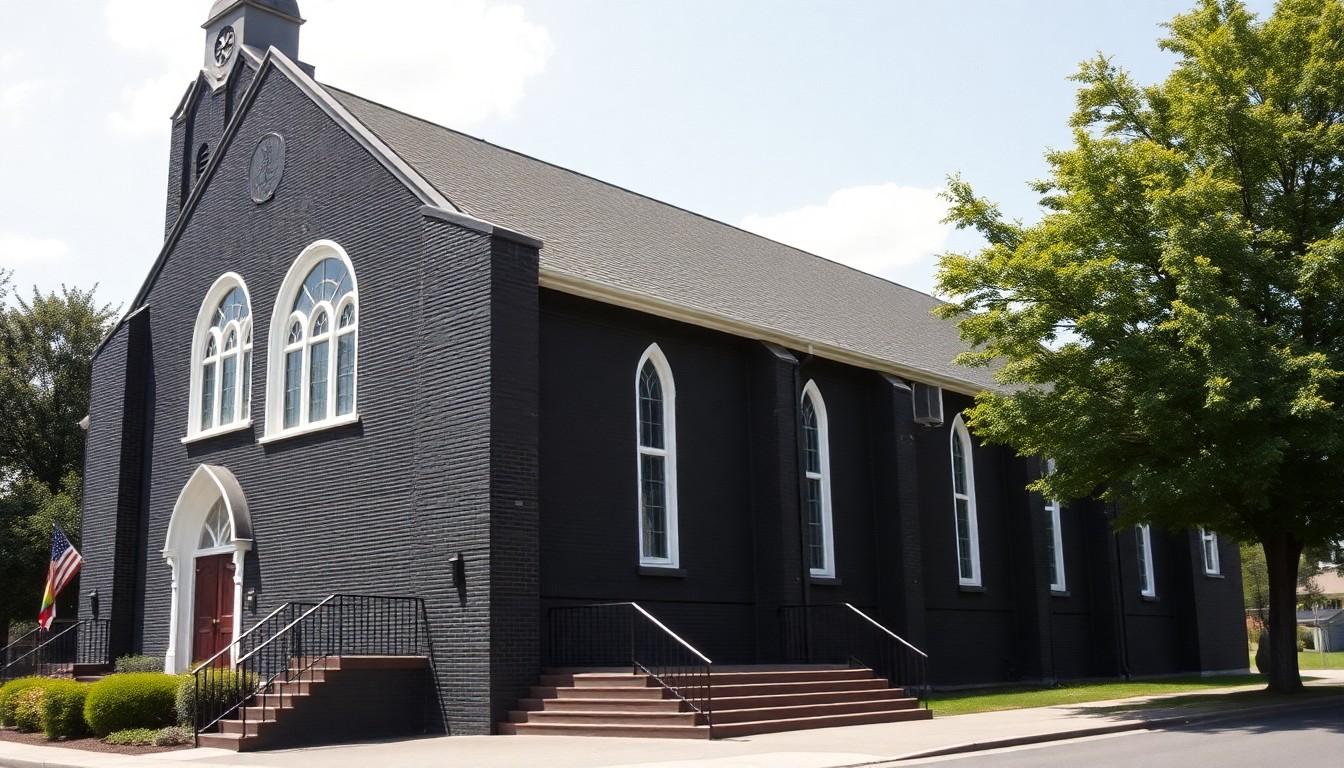
Health advocates and faith leaders are reopening difficult conversations about HIV in Black communities, where stigma, history and unequal access still shape outcomes. From church-based testing to more compassionate language, the message is clear: prevention and treatment work best when people feel safe, respected and supported.
Essential Takeaways
- The disparity remains stark: Black Americans are disproportionately affected by HIV in the United States.
- Faith groups can help: Congregations already support testing, counselling, housing and spiritual care.
- Language matters: Compassionate, non-judgemental terms can make people more willing to seek help.
- Science and faith can coexist: Prevention, treatment and spiritual support don't need to occupy separate worlds.
- Stigma has many faces: Homophobia, transphobia and misogynoir can all obstruct care and honest conversation.
Silence has a real public-health cost
HIV prevention isn't only about medicine. It's also about whether someone feels able to ask a question in a doctor's surgery, request a test or admit they need support without expecting shame in return.
That challenge is particularly sharp in Black communities, where HIV has had a disproportionate impact for decades. According to Word In Black, Black people make up roughly 40% of people living with HIV in the US, despite representing about 12% of the population. Those figures are sobering, but statistics alone don't explain the fear and isolation that can sit behind them.
A recent panel at the National Association of Black Journalists Convention placed that emotional reality centre stage. Moderated by Pulitzer Prize-winning journalist Nikole Hannah-Jones, the discussion brought together entertainment figures, healthcare professionals and HIV advocates to examine the uneasy relationship between faith, sexuality and public health.
The Black church has already been part of the solution
It would be easy to describe faith communities only as a barrier, but that would miss an important part of the story. Organisations such as The Balm in Gilead have spent years helping churches and community groups provide health education, prevention resources and support.
Research published in the Journal of Health Communication has also explored the role of faith-based organisations in HIV education and stigma reduction. The practical point is simple: churches are trusted, familiar spaces, and that reach can make testing and care feel less intimidating.
In many places, congregations now connect people with counselling, housing and medical services. That work may not always make headlines, but it can be the quiet bridge between a worried individual and the help they need.
Why language can change the conversation
Ciarra Brown, an HIV advocate living with the condition, described how both healthcare settings and church spaces had left her feeling rejected. Her experience underlines why the words used around HIV aren't a minor detail. Labels that suggest contamination or moral failure can turn a health conversation into an accusation.
By contrast, language that recognises people as whole human beings can lower the temperature. Dr Jackie Walters, an OB-GYN and television personality, argued that medical professionals and churches are working towards the same broad goal: keeping people safe and healthy, even if they operate in different settings.
That idea is worth holding on to. A congregation doesn't need to become a clinic, and a clinic doesn't need to become a sanctuary. But both can offer accurate information, respectful listening and a clear route to prevention or treatment.
Science and faith don't have to be rivals
Modern HIV care has changed dramatically since the early years of the epidemic. Prevention options, effective treatment and long-acting medicines have transformed what living with HIV can look like, yet stigma can still stop people benefiting from those advances.
Guidance on engaging faith communities, including resources from Black faith and public-health organisations, stresses the value of evidence-based education and trusted partnerships. In practice, that might mean inviting healthcare workers to speak at church events, offering confidential testing or ensuring sermons don't reinforce myths about transmission.
It also means recognising that spiritual wellbeing and physical health are connected. As advocates have argued, a life-affirming ministry can't thrive alongside messages that portray illness as punishment. That contradiction doesn't just hurt LGBTQ+ people. It can discourage anyone from seeking information or care.
The people most affected must shape the response
The HIV conversation has often focused on gay men, reflecting the heavy impact of the epidemic on that community. But advocates say the wider picture must include Black women, LGBTQ+ people and others who face overlapping forms of discrimination.
Eva Marcille has used her public profile to encourage more openness, while Walters has highlighted the need for accessible testing and treatment. Their involvement matters because public discussion can help make a subject that once felt hidden more visible and ordinary.
Still, visibility isn't enough on its own. Churches and health organisations need to listen to people living with HIV, particularly those who have experienced racism, sexism or queerphobia in the very institutions meant to support them. The most effective response will be one that replaces judgement with useful information and turns compassion into action.
A church noticeboard, a confidential testing referral or a careful conversation from the pulpit may seem modest. For someone deciding whether to seek help, it can be the moment that changes everything.
It's time for faith and healthcare to work together without shame getting in the way.
Source Reference Map
Story idea inspired by: [1]
Sources by paragraph:
- Paragraph 1: [2], [3]
- Paragraph 2: [4], [6]
- Paragraph 3: [5], [7]
- Paragraph 4: [2], [6]
- Paragraph 5: [3], [4]
- Paragraph 6: [2], [7]
- Paragraph 7: [4], [6]
- Paragraph 8: [2], [3]
- Paragraph 9: [2], [7]
- Paragraph 10: [4], [6]
- Paragraph 11: [2], [3]
- Paragraph 12: [7], [6]
- Paragraph 13: [2], [4]
- Paragraph 14: [3], [6]
- Paragraph 15: [2], [7]