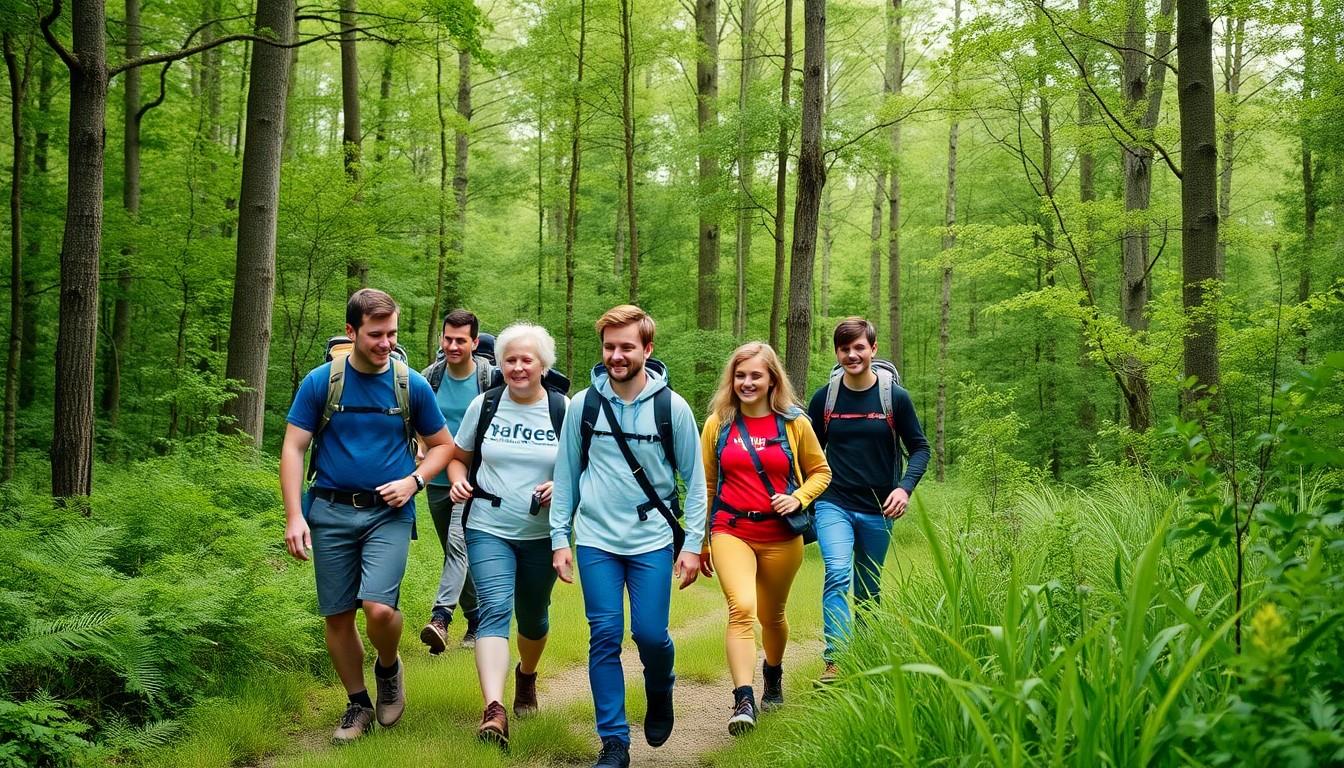
Walkers are finding community, confidence and a quieter connection with the outdoors through Hiking Queers Netherlands, a growing group for LGBTQ+ people and allies. By taking organised hikes into forests, dunes and heathland, the initiative is challenging the idea that nature belongs to a particular type of person.
Essential Takeaways
- Community outdoors: Hiking Queers Netherlands creates welcoming walking groups for LGBTQ+ people and allies.
- A growing movement: The organisation has attracted hundreds of participants and built a substantial membership.
- More than exercise: Walkers report feeling fitter, safer and less alone after joining hikes.
- Nature for everyone: The group links environmental engagement with social inclusion and belonging.
- Open invitation: Straight allies are welcome, helping the walks feel connected rather than closed off.
The outdoors should feel welcoming to everyone
A woodland path doesn't ask who you are. It offers birdsong, muddy boots and a bit of welcome quiet, yet not everyone feels equally comfortable stepping into rural spaces. Hiking Queers Netherlands is trying to change that by making outdoor recreation more visibly inclusive.
The Dutch organisation brings LGBTQ+ walkers together for hikes through landscapes including forests, dunes and heathland. Its central idea is refreshingly simple: people are more likely to care for nature when they feel that they belong there, according to Trouw. [2], [3]
For some participants, that sense of belonging can't be taken for granted. Group walks offer reassurance, companionship and a way to explore places that might otherwise feel intimidating. The rainbow flag may be small, but on a country path it can make a powerful statement.
Why Hiking Queers Netherlands is gaining momentum
The group began with a recognition that LGBTQ+ communities are often more closely associated with cities than countryside. Hiking Queers Netherlands offers a bridge between those worlds, pairing outdoor exercise with the easy social contact that comes from walking side by side.
Its organisers have already led numerous walks, while the wider membership has continued to grow. Wandel.nl reported that the group reached 1,000 members, a sign that demand for inclusive outdoor activities extends well beyond a handful of regular hikers. [5]
That growth also reflects a broader shift in the way people think about walking. It isn't only about distance, speed or reaching a summit. Sometimes the real achievement is turning up, meeting new people and feeling relaxed enough to enjoy the view.
A safer, less lonely way to explore
A walk with people who understand your experiences can change the atmosphere immediately. Conversation tends to come more easily, and the steady rhythm of walking gives strangers a natural way to become companions without the pressure of a formal social event.
Feedback shared by the initiative suggests that participants feel fitter, safer and less isolated after joining. Pride and Sports describes the club as an LGBTQ+ outdoor walking community, while its wider coverage highlights the role of organised activity in creating connection. [6], [7]
That doesn't mean every hike is free from awkward moments. Organisers have encountered homophobic remarks from passers-by, although most outings are described as positive. The practical lesson is clear: walking in a group can provide both emotional support and a stronger sense of security, particularly for people who feel uncertain in unfamiliar rural settings.
Inclusive nature walks are changing the sustainability conversation
Environmental campaigns often focus on energy, waste and emissions, all essential subjects. Hiking Queers Netherlands adds another question: who gets to feel part of the natural world in the first place?
The organisation argues that sustainability has a social dimension. If people are treated as outsiders, or believe that countryside spaces are not meant for them, they're less likely to develop a lasting relationship with those places. Inclusive access can therefore help build the everyday connection that makes environmental care feel personal rather than abstract.
Its own explanation of the project places LGBTQ+ visibility, community and nature at the heart of the walks. The message isn't that one group owns the outdoors, but that nobody should have to disguise themselves to enjoy it. [2], [3]
How to join an LGBTQ+ nature walk
People interested in joining can look for upcoming hikes through the organisation's website, Meetup listings and Pride and Sports' community information. Events may suit different levels of experience, but sensible walking shoes, weatherproof layers and water remain good basics for Dutch conditions. [4], [6]
Newcomers don't need to arrive as expert hikers. The best approach is to choose a route that matches your fitness, check the event details and tell the organisers about any access needs beforehand. Bringing a friend is fine, but many people come alone and find that the group makes introductions feel easy.
There is also a wider invitation here. Allies are welcome, and their presence can help make outdoor spaces feel more ordinary, open and shared. As one organiser's perspective suggests, nature doesn't judge; people decide how welcoming the experience becomes.
The next time you picture a countryside walk, imagine fewer gatekeepers and more open paths. That feels like progress worth following.
A welcoming walking group can make the whole landscape feel bigger.
Source Reference Map
Story idea inspired by: [1]
Sources by paragraph: