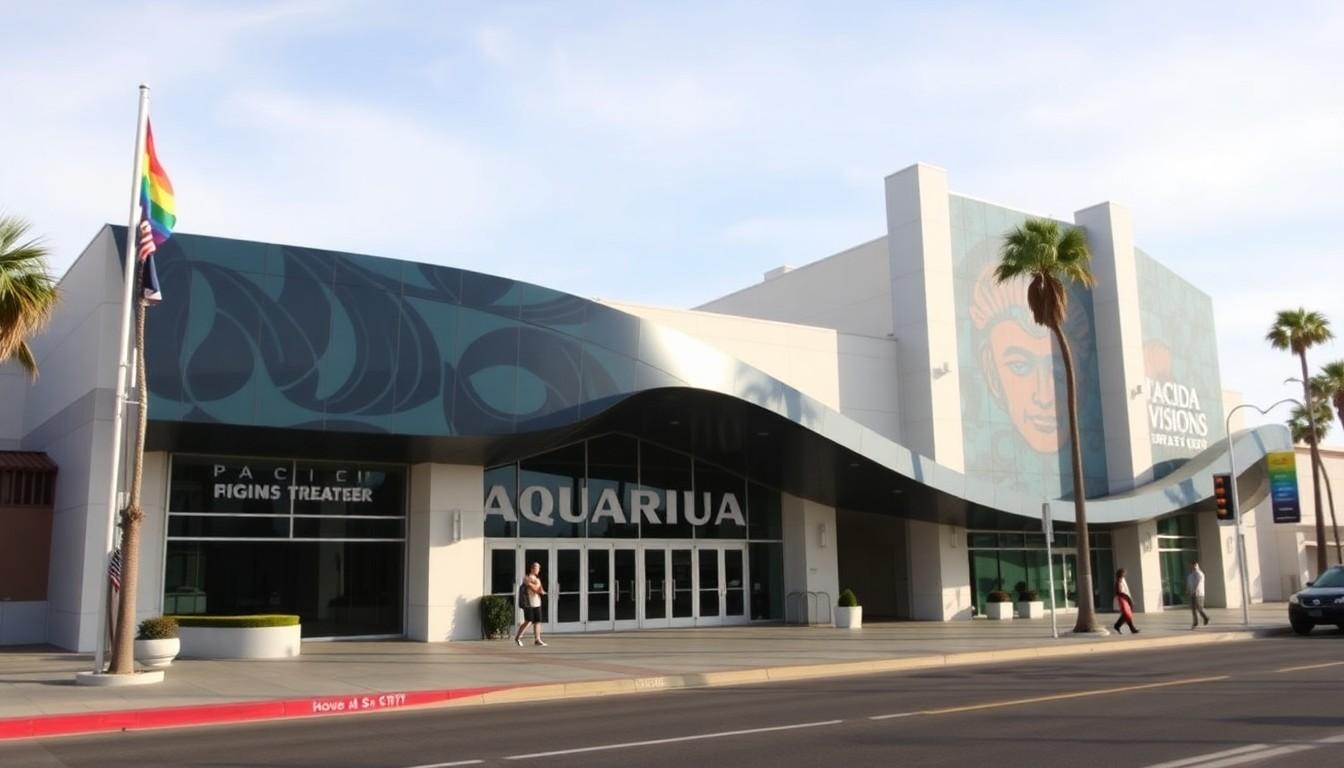
Film lovers are heading to Long Beach from 17 to 20 September for the 33rd Long Beach Q Film Festival, a lively four-day celebration of LGBTQ+ cinema, local culture and queer joy. With major features, shorts, filmmaker Q&As and parties across two much-loved venues, it offers plenty to see beyond the opening-night spotlight.
Essential Takeaways
- Opening night: The festival begins at the Aquarium of the Pacific with a reception, free popcorn and a screening of Give Me the Ball.
- Star power: Alan Cumming appears in the short film Kiloran Bay, which is executive produced by Jesse Tyler Ferguson.
- Big-screen variety: The programme spans documentaries, international features, horror, true crime and curated short-film blocks.
- Two Long Beach venues: Friday to Sunday screenings move to the Historic Art Theatre.
- More than films: Expect Q&As, live performances, parties and a Sunday brunch alongside the cinema programme.
Opening night brings Billie Jean King to the big screen
The festival opens with an appealing mix of glamour, community and popcorn. A 6.30pm gala reception at the Aquarium of the Pacific's Honda Pacific Visions Theater leads into an 8pm screening of Give Me the Ball, an intimate documentary about Long Beach icon Billie Jean King.
A taped message from King adds a personal touch, while Kiloran Bay, starring Alan Cumming, screens beforehand. The short has also attracted attention through its connection with Jesse Tyler Ferguson, giving opening night a neat blend of sporting history, contemporary queer storytelling and recognisable screen talent.
For visitors, the aquarium setting should make the first evening feel distinct from a standard festival launch. It's the kind of venue change that turns a screening into an occasion, especially when the night starts with drinks and free popcorn. The festival's published programme and the film's listings confirm the opening-night pairing.
Four days of LGBTQ+ cinema, from Cannes to queer horror
The main programme is broad enough to reward both dedicated festivalgoers and casual visitors testing the waters. Highlights include The Little Sister, a Cannes selection, On the Road, winner of Best Picture at Venice, and Test, which has been recognised by Frameline.
There are also international perspectives in Maspalomas, Free Beer Tomorrow and the Pan-Asian feature 10's Across the Borders. For viewers who prefer something darker, CAMP brings queer horror into the mix. That variety matters because no single version of LGBTQ+ life has to carry the whole festival.
The short-film programme widens the lens further, with blocks devoted to students, queer and trans filmmakers, LatinX stories, men, women and Southern California creators. According to the festival's programme information, these strands are designed to give the weekend a clear rhythm, so audiences can choose a focused session rather than simply chasing individual titles.
Why the shorts programme deserves a closer look
Shorts can be the festival's surprise treasure. A well-curated block might move from a funny local story to a sharply observed drama in the space of an hour, leaving audiences with a wider sense of the community than one feature could provide.
The six themed sessions also make planning easier. Visitors looking for emerging talent can start with Student Shorts, while those keen to support nearby filmmakers can choose So Cal Local Shorts. Queer and Trans Shorts and LatinX Shorts offer more targeted routes through the programme, while Men in Briefs and Women in Shorts add further shape to the schedule.
That structure is useful if you're attending with friends who have different tastes. Pick one shared block, then split up for a feature or event later. It keeps the day social without making everyone sit through the same thing from morning to night.
From the Historic Art Theatre to Sunday brunch
After opening night, screenings move to Long Beach's Historic Art Theatre from Friday through Sunday. The change of venue gives the festival a more traditional cinema feel, with the practical advantage of keeping much of the weekend's programme in one familiar setting.
The atmosphere won't stop at the auditorium doors. Filmmaker Q&As, live performances and parties are part of the wider festival experience, while Sunday brunch offers a gentler way to close out the weekend. These extras are important because film festivals work best when audiences can talk, meet creators and compare notes between screenings.
If you're planning a visit, check the timetable before buying tickets and leave breathing room between films. Q&As can run long, queues can form and a quick coffee break may prove more valuable than squeezing in one extra title. The official festival website remains the best place to confirm schedules, tickets and event details.
Closing night turns to true crime and resistance
The closing-night feature is Mineshaft: The Cruising Murders, directed by Emmy-winner Jeffrey Schwarz. It explores true crime, filmmaking and LGBTQ+ resistance, giving the festival a finale with both historical weight and contemporary relevance.
That choice also reflects the event's wider purpose. The Long Beach Q Film Festival isn't simply presenting films; it's creating a public space for stories that can entertain, unsettle and connect people. Founder and programmer Robert Cano describes that combination as "Queer Joy Magic", a phrase that neatly captures the festival's balance of celebration and solidarity.
For audiences, the appeal is simple: come for a highly anticipated documentary or feature, then stay for the conversations and discoveries around it. The best festival memories often arrive between screenings, when a recommendation from a stranger sends you towards a film you hadn't planned to see.
It's a compact, welcoming festival with enough range to make a full weekend worthwhile.
Source Reference Map
Story idea inspired by: [1]
Sources by paragraph: