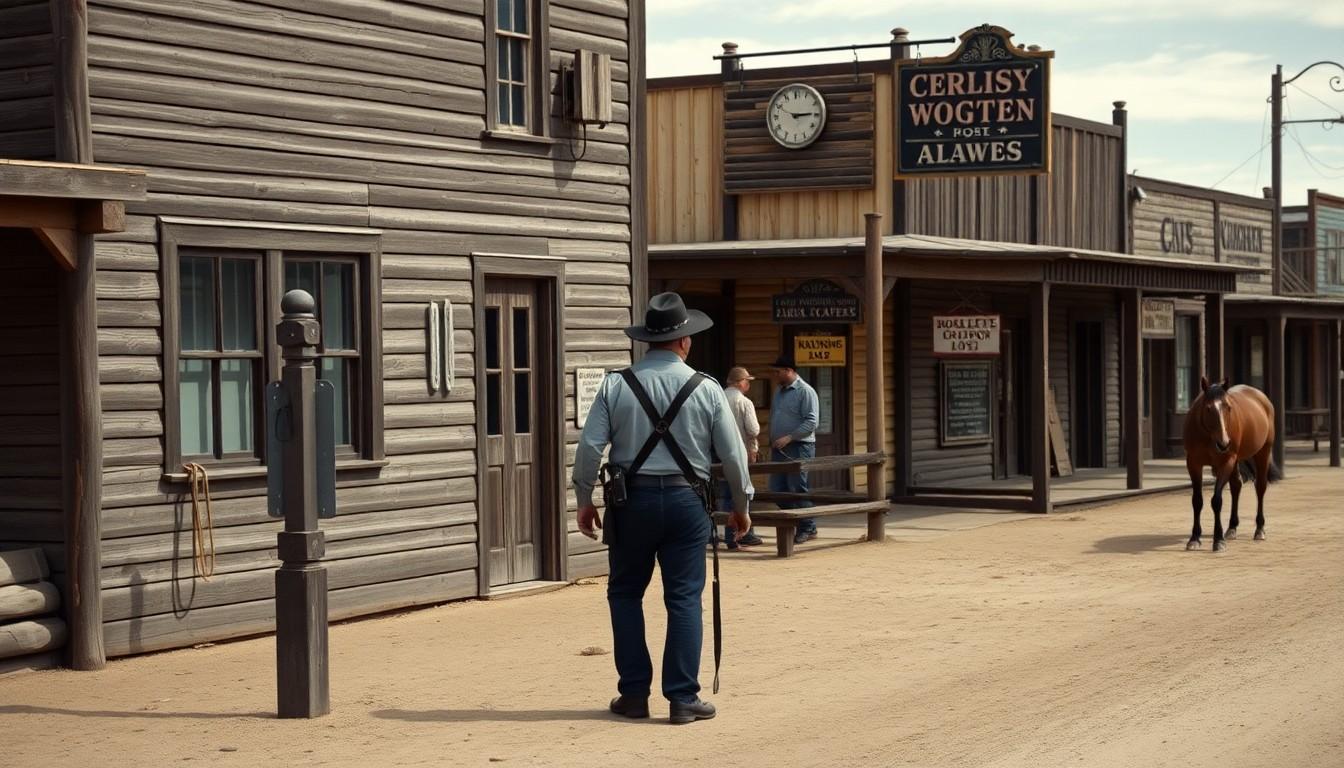
Readers are celebrating the first book birthday of Frontier Comrades: From the Fur Trade to the Ford Car, a lively history of LGBTQ+ lives across the American West. Published by Bison Books, Jim Wilke's 2025 study matters because it places queer westerners inside the region's everyday story, from stagecoaches and cattle trails to law enforcement and the rise of the motor car.
Essential Takeaways
- Six connected lives: The book explores LGBTQ+ experiences across different periods and parts of the American West.
- History with texture: Horses, wagon trains, frontier work and famous conflicts help shape the narrative.
- A wider view of identity: Wilke presents queer westerners as part of western society, not as historical footnotes.
- Accessible scholarship: Reviews describe the book as informative, entertaining and richly contextualised.
- A useful choice for readers: It suits anyone looking for LGBTQ+ history, western history or overlooked American stories.
A frontier history with people at its centre
The most striking thing about Frontier Comrades is its sense of physical place. These are stories shaped by dust, long journeys, hard work and the uneasy freedom of the frontier, rather than by identity labels alone.
Jim Wilke follows six accounts of lesbian, gay, bisexual and transgender lives, moving from the fur trade era towards the early automobile age. The result is both intimate and broad: individual lives remain central, but each one opens a window on the wider American West.
The University of Nebraska Press listing places the book within its Bison Books catalogue, confirming its position as a serious contribution to western and LGBTQ+ history. That combination gives it appeal beyond specialist readers. It feels like a history book, certainly, but also like a collection of sharply observed human stories.
Why horses and stagecoaches matter
A horse may seem like an unlikely route into queer history, but Wilke's approach is precisely what makes the book distinctive. Frontier identities were formed through work, travel, risk and reputation, as well as through personal relationships and social expectations.
One of the book's notable figures is Charlie Parkhurst, a celebrated California stage driver who lived as a transgender man. His reputation as a horseman wasn't separate from his gendered life; the two were bound together by the way he worked and by how others remembered him.
That detail makes the past feel satisfyingly tangible. A stagecoach isn't just scenery here. It becomes a workplace, a source of independence and a route into communities that were still taking shape.
The Tombstone story gains a different meaning
William Breakenridge offers another compelling thread. The gay lawman worked across several frontier roles, including surveying, soldiering and driving freight wagons, before taking up a badge in Arizona Territory.
His story intersects with the famous gunfight at the O.K. Corral, but the episode isn't included simply because it draws attention. Instead, it helps show how public events, personal reputation and private identity could overlap in the life of a nineteenth-century westerner.
That is one of the book's strongest arguments. Well-known frontier stories don't have to be discarded; they can be re-examined, with overlooked people brought back into the frame. The result is a more crowded, complicated and believable West.
A useful alternative to the familiar frontier myth
Traditional western history often leans heavily on cowboys, outlaws, soldiers and settlement. Frontier Comrades doesn't reject those subjects, but it asks who else was present and how their experiences fitted into the same landscape.
The book's six accounts appear to connect identity with practical life: earning a living, managing danger, travelling long distances and building a reputation. That makes it particularly valuable for readers who want LGBTQ+ history that isn't isolated from economic, social or regional history.
Publisher's Weekly described it as an illuminating survey of hidden queer lives, while other reviews have praised its historical background and entertaining approach. Together, those responses suggest a book that aims to be readable without sanding away the complexity.
Who should read Frontier Comrades?
This is a natural choice for readers interested in LGBTQ+ history, the American West or biographies of people who have slipped through the gaps in conventional accounts. It could also appeal to book groups, especially those looking for a discussion that combines identity, place and public memory.
For newcomers, the book's chronological structure should offer a helpful route through a large subject. For more experienced readers, its emphasis on work, movement and frontier culture may provide a fresh angle on familiar themes.
The wider lesson is quietly powerful: people shouldn't have to fit modern categories perfectly to deserve a place in history. Sometimes the clearest evidence is found in the details others overlooked, such as the way someone handled a horse, led a wagon train or earned trust in a difficult town.
Frontier Comrades shows how much richer western history becomes when those details are allowed to speak.
Source Reference Map
Story idea inspired by: [1]
Sources by paragraph:
- Paragraph 1: [2], [4]
- Paragraph 2: [3], [6]
- Paragraph 3: [5], [7]
- Paragraph 4: [2], [3]
- Paragraph 5: [4], [6]
- Paragraph 6: [5], [7]
- Paragraph 7: [2], [4]
- Paragraph 8: [3], [6]
- Paragraph 9: [5], [7]
- Paragraph 10: [2], [3]
- Paragraph 11: [4], [6]
- Paragraph 12: [5], [7]
- Paragraph 13: [2], [4]
- Paragraph 14: [3], [6]
- Paragraph 15: [5], [7]
- Paragraph 16: [2], [3]