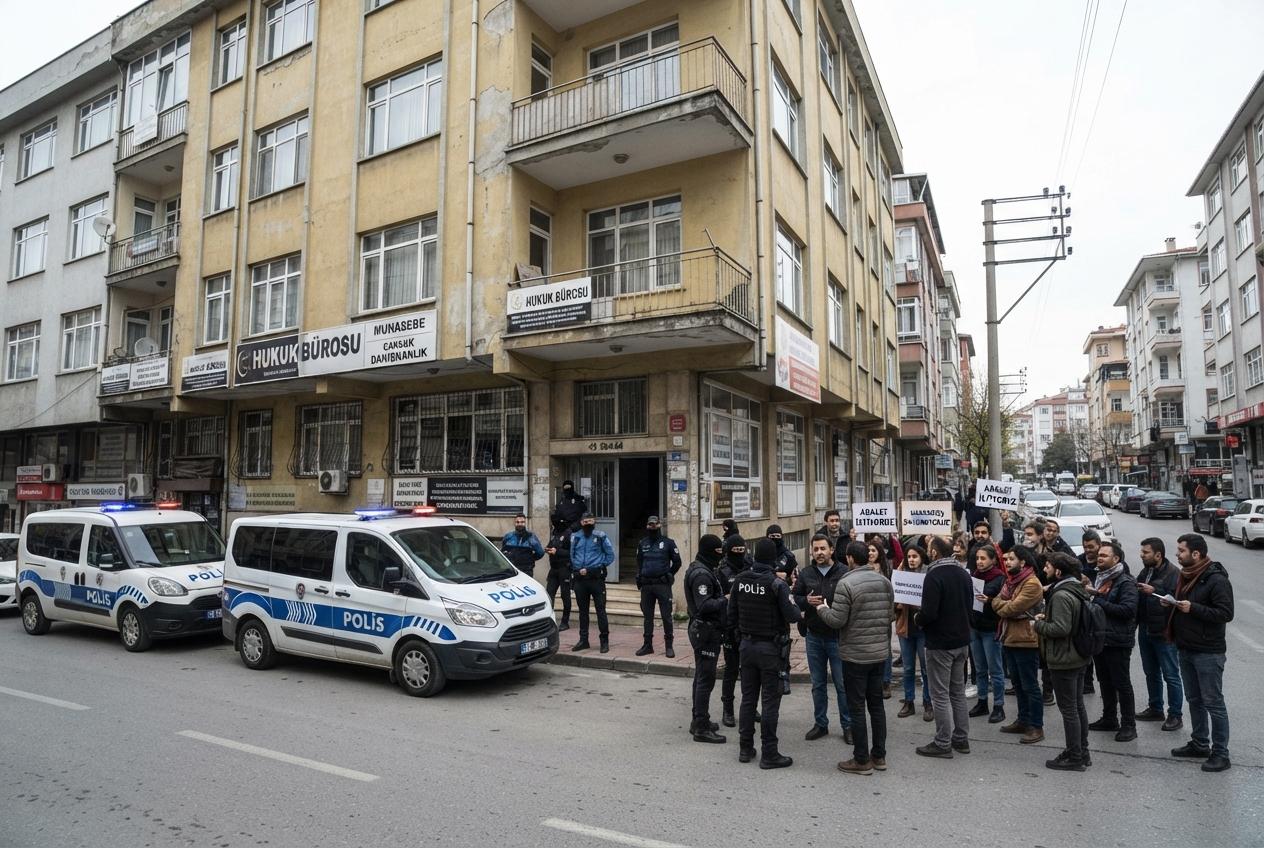
LGBT+ organisations in Turkey have condemned website blocks, raids and arrests linked to the government’s “Ailem Güvende”, or “My Family Is Safe”, operation. They argue that rights groups have been unfairly placed alongside serious criminal allegations, raising urgent questions about due process, privacy and freedom of association.
Essential Takeaways
- Access restrictions: LGBT+ organisations reported that websites and social media accounts were blocked on 12 September.
- Raids and arrests: Activists, association officials and rights defenders were reportedly detained in several cities.
- Main objection: Groups say LGBT+ organisations have been linked to child abuse, obscenity and drugs without publicly demonstrated evidence.
- Funding question: They argue that overseas funding is not automatically unlawful and must be assessed through specific financial evidence.
- Key demand: The organisations are calling for detainees to be released and for privacy, defence rights and the presumption of innocence to be respected.
LGBT+ groups question who is being kept safe
The strongest criticism centres on the operation's title. LGBT+ organisations say that when police raid an association or remove an activist from their home at night, it is difficult to see whose safety is being protected.
In their joint statement, the groups stressed that LGBT+ people aren't outsiders to family life. They may be children, siblings, parents or relatives, sometimes supported by their families and sometimes exposed to violence within them. That point gives the dispute a deeply personal edge, rather than leaving it as an abstract argument about policy. According to Haberler's report, the organisations asked whether protecting the family could be used as a justification for hostility towards LGBT+ people.
Why the alleged links matter
The organisations' central legal objection is that LGBT+ associations, their supporters, entertainment venues and people accused of serious offences appear to have been presented within one broad narrative. They say that placing images, names or institutions side by side doesn't prove a criminal connection.
That distinction matters in any investigation, but especially when public statements can rapidly shape opinion before a case is tested in court. The groups argue that information about sexual orientation or gender identity, access to anti-discrimination support and knowledge of where to seek help after bullying shouldn't be treated as evidence of abuse. Haberler reported that they want any alleged relationship between the associations and the serious accusations to be demonstrated with concrete evidence.
Overseas funding isn't automatically proof of wrongdoing
The dispute also touches on a familiar pressure point for civil society groups: foreign funding. LGBT+ organisations say they operate under rules covering their establishment, activities, income and spending, and that overseas support can be subject to notification and record-keeping requirements.
Their argument is straightforward. If officials suspect an irregularity, they should identify the transaction, breached obligation and evidence involved. The origin of a donation, they say, doesn't by itself turn rights advocacy into a crime. It's a useful reminder that financial scrutiny and political suspicion aren't the same thing, even when public debate makes them sound interchangeable.
Access blocks add a privacy concern
Website and social media restrictions have consequences beyond silencing public commentary. For people who rely on discreet online contact to find legal information, emotional support or a safe referral, losing access can close one of the few doors available to them.
The organisations also called for personal data, private life and the confidentiality of people who contact associations to be protected. Haberler reported that they criticised language which presents individuals and institutions as guilty in advance, particularly while arrests and investigations remain under way. For someone deciding whether to ask for help, that atmosphere can feel cold, risky and very real.
What happens next?
The groups are calling for detainees to be released, full defence rights to be guaranteed and restrictions on LGBT+ organisations and activists to be lifted. They have also appealed to human rights groups, women's organisations, child-rights advocates, bar associations, trade unions and other democratic bodies to object to the measures.
The wider question is whether the authorities will publish enough detail to separate specific allegations from broad association. A transparent process would need to explain what is being investigated, on what evidence and with what safeguards for privacy and due process. For LGBT+ people and their families, those details aren't just procedural niceties; they can determine whether seeking support feels possible at all.
It's a small but crucial distinction: investigate evidence, not identity or association.
Source Reference Map
Story idea inspired by: [1]
Sources by paragraph:
- Paragraph 1:
- Paragraph 2:
- Paragraph 3:
- Paragraph 4:
- Paragraph 5:
- Paragraph 6:
- Paragraph 7:
- Paragraph 8:
- Paragraph 9:
- Paragraph 10:
- Paragraph 11:
- Paragraph 12: