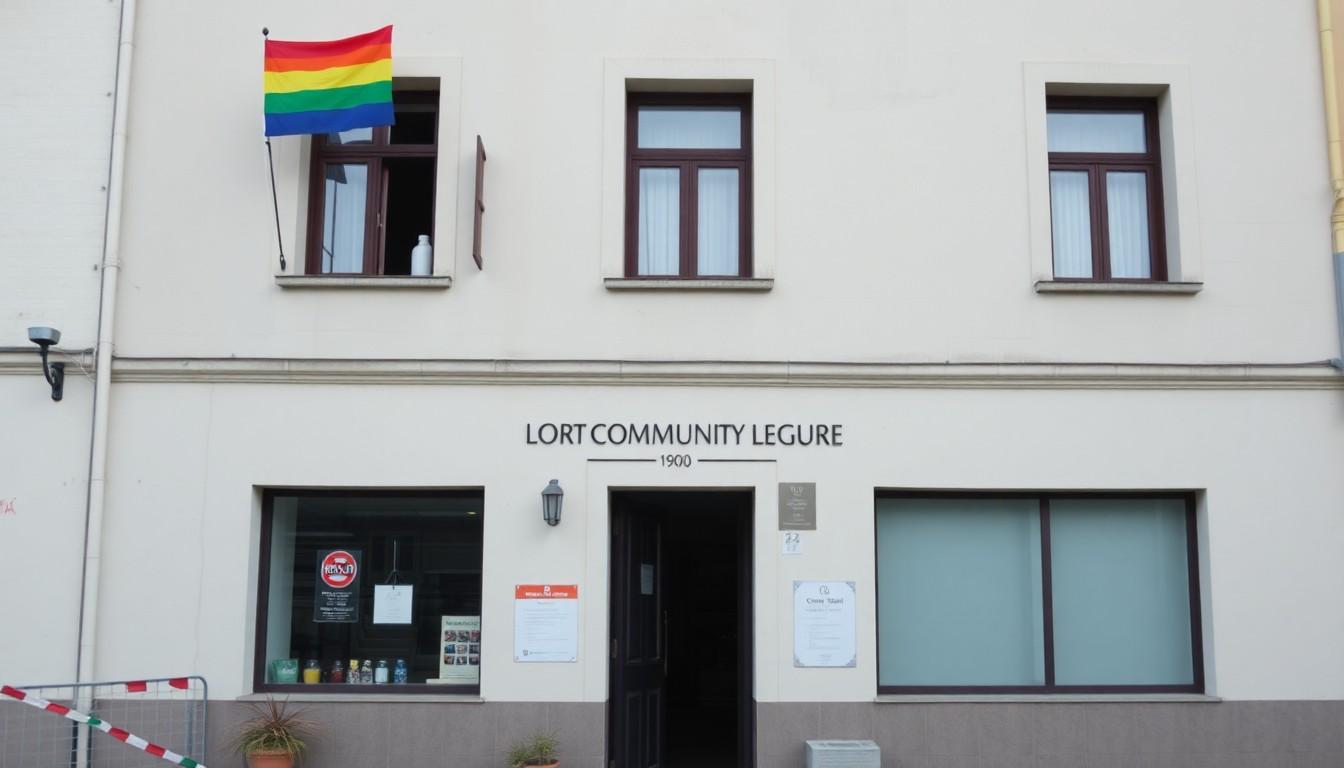
Turkish authorities have detained dozens of people in a fresh crackdown on LGBTQI+ groups, while websites, social accounts and dating platforms face growing restrictions. The arrests, reported across multiple provinces, have reignited concern over civil society, family-values rhetoric and the shrinking space for queer communities in Turkey.
Essential Takeaways
- Dozens detained: Police operations targeted people and organisations across Turkey.
- Groups raided: Offices linked to LGBTQI+ associations were searched during the action.
- Online access blocked: Rights groups and queer platforms have faced restrictions, making support harder to find.
- A wider pattern: The detentions follow previous bans on LGBTQI+ events and access to dating apps.
- Rights concerns rising: Activists say the measures are intended to intimidate civil society.
Raids put Turkey's LGBTQI+ community on edge
The latest operation has brought the pressure faced by LGBTQI+ people in Turkey into sharp focus. Authorities said police acted against suspects in several provinces, with searches reportedly uncovering drugs, digital devices, smuggled alcohol and a firearm, according to Reuters.
The case has also involved raids on the offices of several allied associations. Kaos GL, one of Turkey's best-known LGBTQI+ organisations, said the number detained was higher than the official figure, including people taken from their homes. The conflicting totals underline how quickly information can become contested in a politically charged investigation.
For activists, the impact reaches well beyond those arrested. A police visit, a blocked website or a disappearing social-media account can leave people feeling watched in places that once offered advice, community and basic reassurance.
What are the authorities accusing people of?
Officials have cited allegations including homosexual prostitution and obscenity, alongside a stated concern about protecting family values. Those claims are being used to frame the operation as a public-morality case rather than an attack on LGBTQI+ rights.
That language isn't new. Turkish authorities have repeatedly justified restrictions on queer events and organisations by referring to social structure, morality or the family. The Istanbul Pride march has also faced bans and police intervention, with dozens detained after attempts to hold the event, the South China Morning Post reported.
Critics argue that such wording creates a broad and flexible basis for targeting groups whose work may involve advocacy, community support or public education. In practice, that can make even routine association activity appear risky.
Online blocks make support harder to reach
The crackdown hasn't stayed on the streets. Dozens of websites and social-media accounts connected with LGBTQI+ organisations, activists and rights advocates have reportedly been blocked or restricted, according to Turkey Unfolding.
Queer dating and social platforms have also been caught up in the wider pattern. Bianet reported restrictions affecting Hornet and other LGBTQI+ dating apps, cutting off services that many users rely on for communication, friendship and safety information. It may sound like a minor digital inconvenience, but for isolated people, a blocked platform can remove a vital lifeline.
The background is a broader internet-control problem. A report cited by Turkish Minute said hundreds of thousands of websites were blocked in Turkey during 2024. That wider trend matters because restrictions on LGBTQI+ services can be presented as just another technical decision, even when the effect is concentrated on a vulnerable community.
Why the latest arrests matter beyond Istanbul
Turkey's LGBTQI+ community has faced pressure through event bans, arrests and administrative restrictions for years, but the latest operation appears notable for its geographical reach and its focus on multiple connected organisations. That can make the message feel deliberately expansive: not just one march or one venue, but the networks around it.
There is also a regional backdrop. Earlier restrictions reportedly prevented an all-gay cruise from entering Turkish and Egyptian waters, with officials invoking moral standards and family values. The episode showed how quickly private travel and commercial entertainment can become entangled with official cultural politics.
For international visitors and LGBTQI+ travellers, the practical lesson is uncomfortable but straightforward: check current rules before travelling, avoid assuming that familiar brands or tourist destinations guarantee equal treatment, and keep alternative ways to access essential information.
What happens next for activists and travellers?
The immediate questions will centre on the detainees, any formal charges and whether blocked organisations can restore access to their websites and accounts. Rights groups will also be watching for further raids, especially after the Turkish Human Rights Association described the operation as state-led discrimination and an attempt to weaken civil society.
Travellers should monitor advice from their government, read local reporting and avoid public events that authorities have prohibited. LGBTQI+ visitors may also want to save emergency contacts offline, use reputable accommodation and remember that digital privacy can matter as much as physical safety.
For local activists, the stakes are higher still. As one community organiser's phone goes quiet or one website disappears, the loss isn't abstract. It's a missing meeting point, a missed warning and sometimes the only place where someone can ask, quietly, if they're safe.
The pressure on Turkey's LGBTQI+ community is now playing out both in police raids and on the digital map.
Source Reference Map
Story idea inspired by: [1]
Sources by paragraph:
- Paragraph 1: [2], [6]
- Paragraph 2: [2], [3]
- Paragraph 3: [3], [6]
- Paragraph 4: [2], [6]
- Paragraph 5: [2], [3]
- Paragraph 6: [4], [5]
- Paragraph 7: [7]
- Paragraph 8: [3], [6]
- Paragraph 9: [6]
- Paragraph 10: [2], [6]
- Paragraph 11: [3], [4]
- Paragraph 12: [7]
- Paragraph 13: [6]
- Paragraph 14: [2], [3]
- Paragraph 15: [4], [5]
- Paragraph 16: [6], [7]
- Paragraph 17: [2], [6]
- Paragraph 18: [3], [4]
- Paragraph 19: [6]
- Paragraph 20: [2], [3]
- Paragraph 21: [4], [5]
- Paragraph 22: [6], [7]