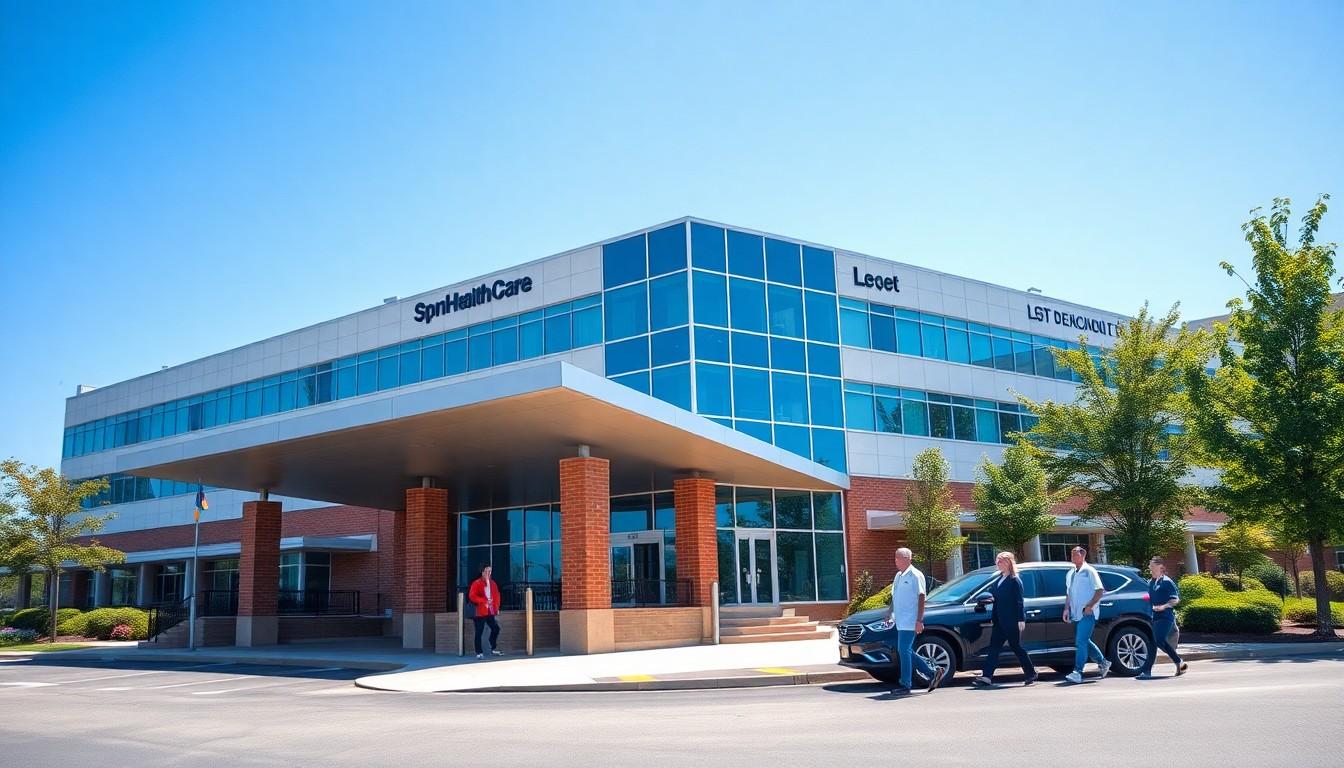
Sentara’s Virginia and North Carolina hospitals are gaining attention for LGBTQ+ inclusive healthcare, as the Healthcare Equality Index recognises all 12 facilities as high performers. The news matters for patients seeking respectful treatment, while a local career expo and wider community initiatives show Hampton Roads is also building a more welcoming professional landscape.
Sentara’s hospitals earn a strong inclusion mark
Sentara’s 12 hospitals in Virginia and North Carolina have received the 2026 Healthcare Equality Index high performer designation. The recognition assesses areas including patient services, staff policies, workforce inclusion and community engagement.
For patients, those details can make an ordinary appointment feel considerably less awkward. Clear policies, respectful language and staff training may seem basic, but they shape whether someone feels comfortable sharing information that could affect their care.
The Human Rights Campaign Foundation’s 2026 index says many healthcare providers continue to support LGBTQ+ inclusion despite a difficult wider climate. That makes practical, everyday measures particularly important, rather than leaving inclusion as a glossy statement on a website. [7]
What inclusive care looks like in practice
Sentara says it has strengthened non-discrimination policies and expanded education on culturally competent LGBTQ+ care. Its approach also includes inclusive clinical and operational processes, including recording sexual orientation and gender identity information in electronic medical records where appropriate.
Used thoughtfully, that information can help teams communicate more accurately, use a patient’s pronouns and avoid making people repeat personal details at every stage of care. It should also be handled sensitively, with privacy and relevance in mind.
Sentara’s diversity guidance presents inclusion as part of the patient experience, not a separate extra. That means patients and members can reasonably look for respectful communication from reception through to treatment, follow-up and billing. [5] [6]
Why the recognition matters beyond the certificate
Healthcare equality awards aren't simply about a logo on a hospital page. They offer patients a useful signal that an organisation has put formal policies, training and accountability in place, although the real test is always how those commitments feel in a real appointment.
Sentara’s wider hospital recognition also suggests that quality and inclusion are increasingly being discussed together. The provider has highlighted national hospital performance alongside other measures, reflecting a market where patients want both competent clinical care and a less stressful experience. [2]
That combination matters especially for people who have previously felt dismissed or misunderstood in medical settings. A calm welcome, accurate records and staff who don't make assumptions can remove a surprisingly heavy layer of worry.
Hampton Roads is pairing care with career opportunities
The healthcare announcement arrives alongside a practical employment initiative. Outwork757 is hosting a free LGBTQIA and allies career expo at Old Dominion University’s Webb Center, with employers from business, government, nonprofits and other sectors expected to attend.
The event is designed for people looking for inclusive workplaces, as well as those seeking volunteering opportunities. For jobseekers, that mix could be more useful than a conventional careers fair, where a company’s culture can be difficult to judge from a polished stand and a handful of brochures.
OutLife757 says the expo will run from 11am to 3pm, giving attendees time to meet prospective employers and ask direct questions about workplace policies, progression and support. [3]
A useful checklist for patients and jobseekers
Patients comparing healthcare providers can start by checking whether an organisation publishes non-discrimination policies, explains privacy practices and offers clear routes for raising concerns. It’s also sensible to ask how personal information is used and who can access it.
Jobseekers, meanwhile, should look beyond rainbow branding. Ask about benefits, parental leave, reporting procedures, staff networks and whether inclusion training reaches managers as well as frontline employees.
The broader message is encouraging but measured. Formal recognition can open the door, yet trust is built through small, consistent moments, such as a correctly addressed form, a considerate conversation or a manager who takes a concern seriously. Sentara’s inclusion work and Hampton Roads’ career activity show how those moments can sit within a wider community effort. [4] [6]
It's a small but meaningful step towards making healthcare and work feel safer, fairer and more welcoming.
Source Reference Map
Story idea inspired by: [1]
Sources by paragraph: