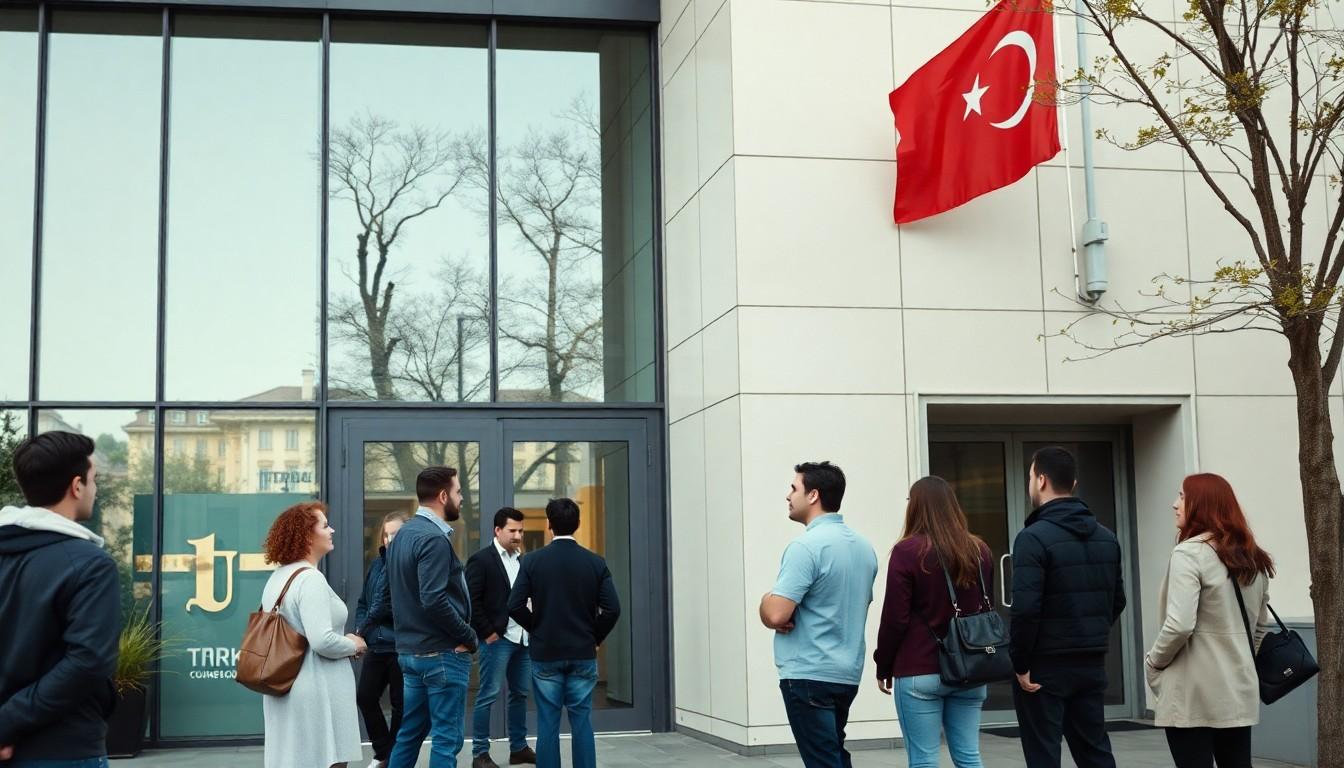
Turkish police have raided homes, bars and community spaces across 15 provinces, with authorities framing the arrests as protection for the traditional family. The crackdown has alarmed LGBTQ+ organisations and rights advocates, who say it threatens basic freedoms and makes already vulnerable communities even less safe.
Essential Takeaways
- Nationwide operation: Authorities opened proceedings against 162 people, nine associations and 13 companies.
- Community spaces targeted: Police reportedly searched a gay bar, a nightclub and a men's hammam in Istanbul.
- Activists detained: Kaos GL said more than ten members were arrested and its offices were searched.
- Online restrictions: Accounts linked to Kaos GL and around 15 other organisations and activists were blocked.
- Wider pattern: Rights groups have documented arrests and venue closures linked to Turkey's LGBTQ+ crackdown.
Raids reach homes and familiar meeting places
The latest operation moved beyond street demonstrations, reaching private homes and venues where LGBTQ+ people have traditionally found some breathing space. Authorities carried out searches in Istanbul, Ankara and other provinces, while footage shared by pro-government media showed police inside an Istanbul gay bar and nightclub.
A men's hammam was also reportedly searched. For people who rely on discreet, trusted spaces, that combination of home raids and venue searches sends a stark message: privacy itself may no longer feel secure. Earlier reporting by the Turkish publication Turkgun also linked the so-called "My Family is Safe" operation to detentions and blocked accounts. [6]
Justice Minister Akin Gurlek said proceedings had been launched against 162 suspects, nine associations and 13 companies. He did not give a total for arrests, leaving an important gap in the public account of the operation.
What is the "My Family is Safe" campaign?
The raids have been presented by officials as part of President Recep Tayyip Erdogan's "Decade of the Family", a policy designed to promote what the government calls traditional family values. Gurlek said the campaign was intended to protect children, the family and social order.
That language matters because it turns a political and cultural programme into the framework for police action. In practice, critics say it risks treating LGBTQ+ identity, advocacy and association as threats rather than protected forms of personal expression.
Turkey does not criminalise homosexuality, but senior politicians have repeatedly used hostile language about LGBT people. Human Rights Watch has described a broader pattern of pressure on LGBTQ+ organisations and activists, particularly around major public events and political gatherings. [3]
Activists say the pressure is spreading
Kaos GL said more than ten of its members had been detained after police searched their homes, and that officers also entered the organisation's offices. The group said many of those targeted faced accusations related to "insulting public decency", a broad charge that can leave activists uncertain about what conduct or speech may trigger prosecution.
The online dimension is growing too. Kaos GL's account on X, along with accounts connected to roughly 15 other organisations and activists, was blocked at the authorities' request shortly before the raids. That makes it harder for groups to share legal updates, organise support or document events while they are unfolding.
The pattern echoes earlier restrictions. Reporting on Istanbul Pride described police detaining dozens after authorities banned the march, while rights groups warned that restrictions on assembly were becoming routine. [4]
Venue closures make community life harder
Bars, clubs and cultural venues are more than nightlife businesses for many LGBTQ+ people. They can be places to meet friends, find support and feel briefly ordinary, which is why closures and raids carry a heavier emotional charge than a standard licensing dispute.
Recent reporting has also highlighted the closure of LGBTQ+-friendly venues, including Tek Yön in Istanbul and a popular LGBTI venue in Ankara. Those cases suggest that the pressure is not limited to one national operation, but may be affecting the fragile network of spaces that supports community life. [2] [5]
For venue owners, the practical risks are obvious: a licence problem, a public-decency accusation or an online block can quickly become a business crisis. For customers, the result is quieter but just as significant, with fewer safe places to gather and greater fear about being identified.
What happens next for Turkey's LGBT rights?
The immediate questions are how many people remain detained, what charges will be pursued and whether the blocked accounts and searched organisations will be restored. Clear answers will depend on court filings and statements from lawyers, rights groups and Turkish authorities.
The political argument is already sharper. Istanbul MP Ozgul Saki of the DEM party said that existence could not be banned or prevented, adding that LGBTQ+ rights were human rights. Her response reflects the divide at the heart of the story: officials describe protection, while opponents see intimidation dressed up as family policy.
For LGBTQ+ people in Turkey, the raids are not an abstract culture-war headline. They touch the places where people live, work, meet and speak. That is why every new closure or arrest feels so personal.
The crackdown leaves little room for safe community life, but international scrutiny and domestic legal challenges may shape what comes next.
Source Reference Map
Story idea inspired by: [1]
Sources by paragraph: