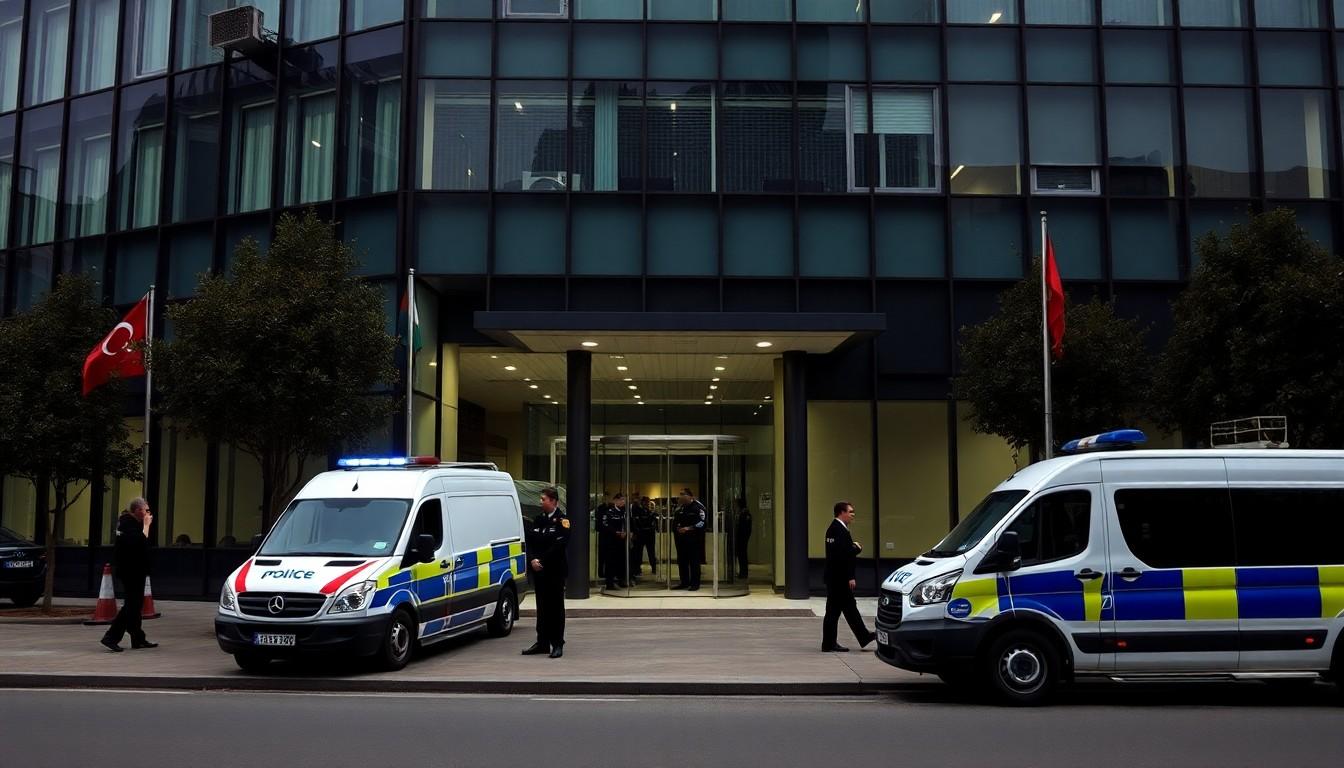
Authorities are carrying out arrests, searches and questioning across 15 Turkish provinces in an operation involving LGBT+ organisations, activists and businesses. The action has prompted renewed concern over online censorship, due process and the shrinking space for rights groups, as supporters wait for clearer information about allegations and court decisions.
Essential Takeaways
- Widespread operation: Legal proceedings reportedly involve 162 people, nine associations and 13 businesses across 15 provinces.
- LGBT+ groups targeted: KAOS GL says offices, homes and workplaces were searched, with electronic devices seized.
- Internet restrictions: Several LGBT+ websites and social-media accounts have reportedly been blocked in Türkiye.
- Details remain fluid: The number of detainees, accusations and links between cases may change as proceedings continue.
- Rights groups are watching: Amnesty International and European LGBT+ organisations have previously raised concerns about discrimination, expression and association rights in Türkiye.
Searches and questioning spread across 15 provinces
The strongest image from the operation is also the most unsettling: police searches beginning around 1am, homes entered before dawn and phones, laptops and memory sticks taken away. KAOS GL says its Ankara office was searched, while members of its management and supervisory boards were among those affected.
The Turkish justice minister, Akın Gürlek, said proceedings linked to the so-called “Ailem Güvende” investigations covered 15 provinces, with action involving 162 people, nine associations and 13 businesses. KAOS GL, however, says the number of LGBT+ rights defenders, association officials, members and independent activists facing detention or questioning was close to 50 at the time of its statement. The figures aren't necessarily contradictory, as they appear to describe different parts of a wider set of investigations. (According to the original report by Haberler, citing ANKA; Amnesty International's reporting provides broader context on the treatment of LGBT+ people and civil society in Türkiye.) [2]
In Mersin, KAOS GL reported proceedings involving Muamma LGBT+ and Mersin 7 Renk LGBT+ solidarity association. It also described arrests and questioning in Kuşadası and İzmir, while Istanbul searches reportedly included addresses in Beyoğlu and Şişli, including LGBT+ nightlife venues and massage businesses. (KAOS GL's public records show the organisation's established role in coordinating events and services, while Amnesty International has documented the wider pressure facing LGBT+ communities.) [3]
Why the allegations matter
KAOS GL says the investigation into its organisation is being handled by the Ankara Chief Public Prosecutor's Office's cybercrimes unit. The paperwork reportedly refers to alleged “obscene” content on the group's website and social-media accounts, but the organisation says it hasn't been told which specific posts or publications form the basis of the accusation.
That distinction matters. Broad allegations without clearly identified material make it harder for defendants, lawyers and the public to understand what is being challenged. They also create uncertainty for legitimate groups working on health, culture, safety and legal support, particularly when ordinary advocacy can be portrayed as a social threat. (Amnesty International's Türkiye materials outline concerns about restrictions on expression, assembly and association, while ILGA-Europe has called for LGBT+ rights to remain part of the EU-Türkiye relationship.) [2], [5]
Website blocks add a second layer of pressure
The operation comes alongside reported online restrictions. KAOS GL says a decision by Istanbul's 7th Criminal Judgeship of Peace blocked websites linked to several LGBT+ organisations and media projects, including 17 May Association, ÜniKuir, Pembe Hayat, SPoD, Genç LGBTİ+, Lambdaistanbul, Muamma LGBT+ and Velvele.
Several X and Instagram accounts were also reportedly affected, with some X profiles no longer visible from Türkiye. For small charities and community groups, that can be more than an inconvenience. A blocked website may remove access to helplines, event information, safety guidance and public statements in one blunt stroke. (ILGA-Europe has warned about the importance of protecting LGBT+ civic space, while Amnesty International has highlighted the consequences of restrictions on online expression and civil society.) [3], [5]
A longer story of shrinking civic space
The latest events sit within a broader pattern that rights organisations have been tracking for years. LGBT+ groups in Türkiye have faced pressure over public events, freedom of expression and the right to organise, while activists have increasingly questioned whether they can build a secure future at home. Euronews has previously reported on members of the community weighing whether to stay in Türkiye or leave.
That backdrop helps explain why the raids have caused such alarm. For an established organisation such as KAOS GL, an office search can affect confidential casework, communications and years of digital records. It can also send a chilling signal to smaller groups that lack the resources to respond quickly. (Euronews has reported on the community's concerns about safety and future prospects, while earlier coverage of KAOS GL reflects its continuing organisational and public-facing work.) [4], [7]
What happens next?
The immediate priority is clarity: who has been detained, which people are being questioned as witnesses or suspects, what searches were authorised and whether any detainees have access to lawyers and family members. Those details can change quickly during an active investigation, so early claims should be treated carefully and checked against court documents or lawyer statements.
The legal process will also determine whether blocked sites remain inaccessible and whether seized devices are returned. Meanwhile, international rights groups are likely to keep pressing Turkish authorities to protect freedom of association, privacy and expression. For LGBT+ organisations, the coming days may feel less like a single news event and more like a test of whether civic space can remain open at all. (ILGA-Europe's joint statement sets out the international concern around LGBT+ rights in EU-Türkiye relations, while Amnesty International's reporting offers a framework for assessing due-process and human-rights implications.) [2], [5]
The next test is whether transparency and due process can catch up with the scale of the operation.
Source Reference Map
Story idea inspired by: [1]
Sources by paragraph: