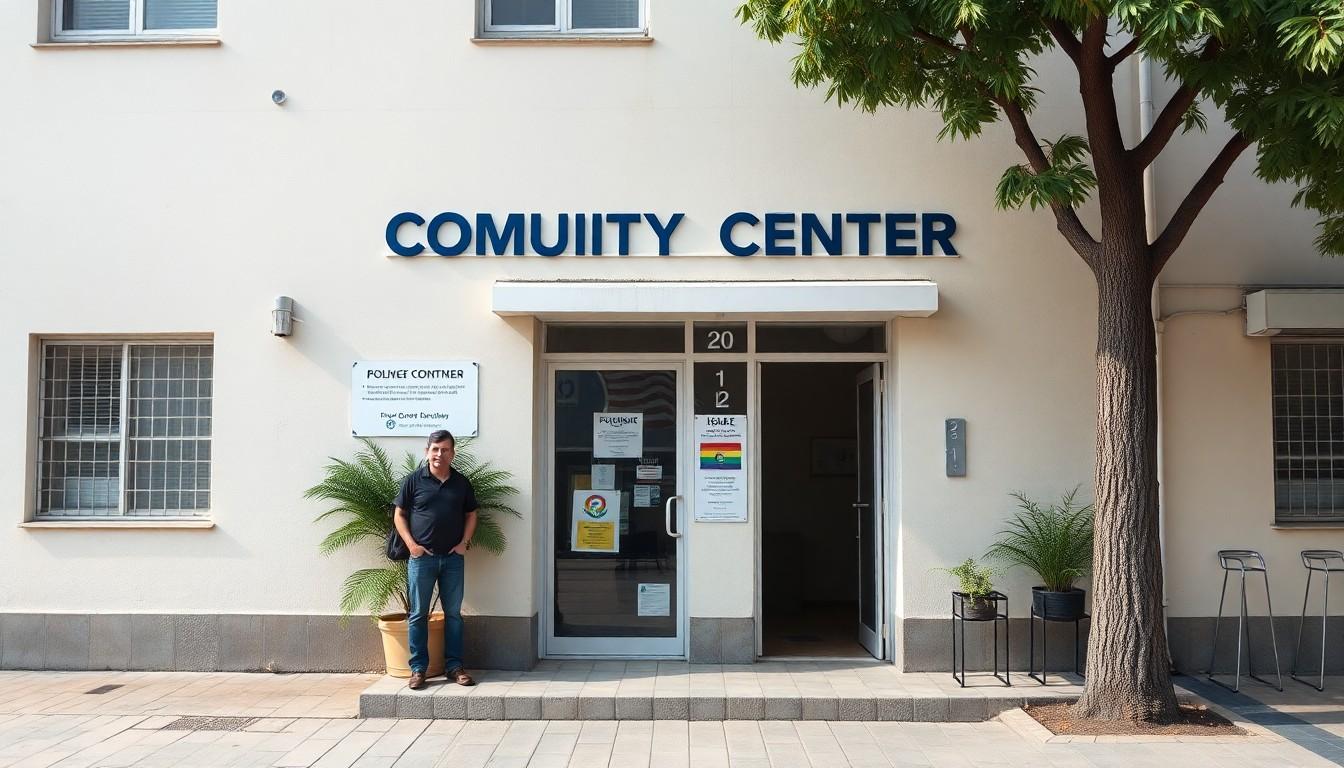
A discreet helpline is giving LGBTQ+ teenagers and adults a safer place to talk, particularly when family pressure, isolation or suicidal thoughts make everyday life feel impossible. The volunteer-run service has handled more than 1,000 contacts in recent months, highlighting why affirming support matters long before a crisis reaches breaking point.
Essential takeaways
- Early support matters: LGBTQ+ people may seek help with loneliness, relationships, family conflict or identity-related distress.
- Conversion practices are harmful: Major psychiatric organisations reject attempts to change sexual orientation or gender identity.
- Young callers are at particular risk: Crisis contacts often involve people under 30, including many transgender callers.
- A listening ear can be powerful: Calm, non-judgemental conversation may help someone feel less alone and identify safer next steps.
- Help is available locally: The Israeli helpline operates by telephone and WhatsApp during set afternoon and evening hours.
A quiet conversation can interrupt a dangerous spiral
Sometimes the most important intervention starts with two words spoken hesitantly into a phone. For one Israeli man, saying that he was gay to an adult listener created a rare moment of calm after years of shame, fear and suicidal thinking.
His experience reflects a wider mental-health concern. The American Psychiatric Association says suicide prevention should focus on recognising warning signs, reducing immediate danger and connecting people with appropriate care. A helpline isn't a replacement for emergency services, but it can be a vital first step when someone isn't ready to speak with family, a doctor or a formal therapist.
The Israeli service, known as "Yesh Im Mi Ledaber", or "There Is Someone to Talk To", is run by volunteers through the country's LGBTQ+ rights organisation. It has operated for almost 30 years, offering a confidential place to discuss everything from isolation and dating to family tension and acute distress.
Why conversion practices can deepen harm
The man described growing up in a religious-national environment where positive images of LGBTQ+ people were scarce. Instead, homosexuality was presented as something wrong or fixable, leaving him to believe that a fulfilling future might not be possible.
As a teenager and young adult, he was sent to conversion sessions by a rabbi. Such practices attempt to change sexual orientation or gender identity, despite major medical and psychiatric bodies warning that they lack a sound evidence base and can cause serious psychological harm.
The American Psychiatric Association supports care that respects a person's identity rather than trying to erase it. Its guidance on gender-affirming therapy similarly emphasises individualised, competent support for transgender and gender-diverse people. That distinction matters: helping someone explore distress is not the same as pressuring them to become someone else.
The callers are often young, isolated and overwhelmed
Recent figures from the Israeli LGBTQ+ association show that the helpline received 1,130 contacts in the first half of 2026. Forty-two were assessed as involving an acute psychological crisis or suicide risk, a sobering reminder that not every call is simply about everyday worries.
A review of a smaller group of calls involving direct suicidal intent found that callers were aged between 16 and 34, with most under 30. Around half were transgender or otherwise within the trans spectrum. These figures don't explain every individual situation, but they point to the particular pressure faced by young people navigating identity without reliable support.
The American Psychiatric Association notes that gender dysphoria and related distress should be approached with sensitivity, proper assessment and respect. The aim is to understand what a person is experiencing, not to treat identity itself as an illness.
What supportive help should look like
Good support starts with listening rather than lecturing. A caller may need to talk about a difficult home environment, a relationship breakdown, bullying, fear of rejection or the exhausting effort of hiding part of themselves. The first useful response is often simple: take them seriously, stay calm and ask whether they're in immediate danger.
For someone choosing a service, look for clear confidentiality policies, trained staff or volunteers, LGBTQ+ competence and a route to professional or emergency help when needed. Telepsychiatry guidance from the American Psychiatric Association also underlines the importance of appropriate clinical standards, privacy and knowing how to respond when risk escalates.
If a person says they may act on suicidal thoughts, don't leave them alone. Contact local emergency services or an urgent mental-health service, and remove access to immediate means where possible. A helpline can provide support, but imminent danger calls for rapid professional intervention.
A helpline is useful before the crisis point
Gil Fishhof, a volunteer coordinator who has worked with the project for 24 years, says callers include religious people, Jews and Arabs, teenagers and adults. Many conversations aren't explicitly about suicide. They concern loneliness, family relationships and the ordinary emotional knots that can become much heavier when someone feels they have nowhere safe to turn.
That is why public awareness matters. People shouldn't have to wait until they're in immediate danger before learning where support exists, and they certainly shouldn't be pushed towards practices that promise to change who they are.
In Israel, "There Is Someone to Talk To" is available from Sunday to Thursday, 2pm to 5pm and 7.30pm to 10pm, plus Saturday evening from 7.30pm to 10pm. The telephone number is *2982, and WhatsApp support is available on 058-6205591. Anyone at immediate risk should contact emergency services without delay.
A safe conversation won't solve everything, but it can make the next step feel possible.
Source Reference Map
Story idea inspired by: [1]
Sources by paragraph: