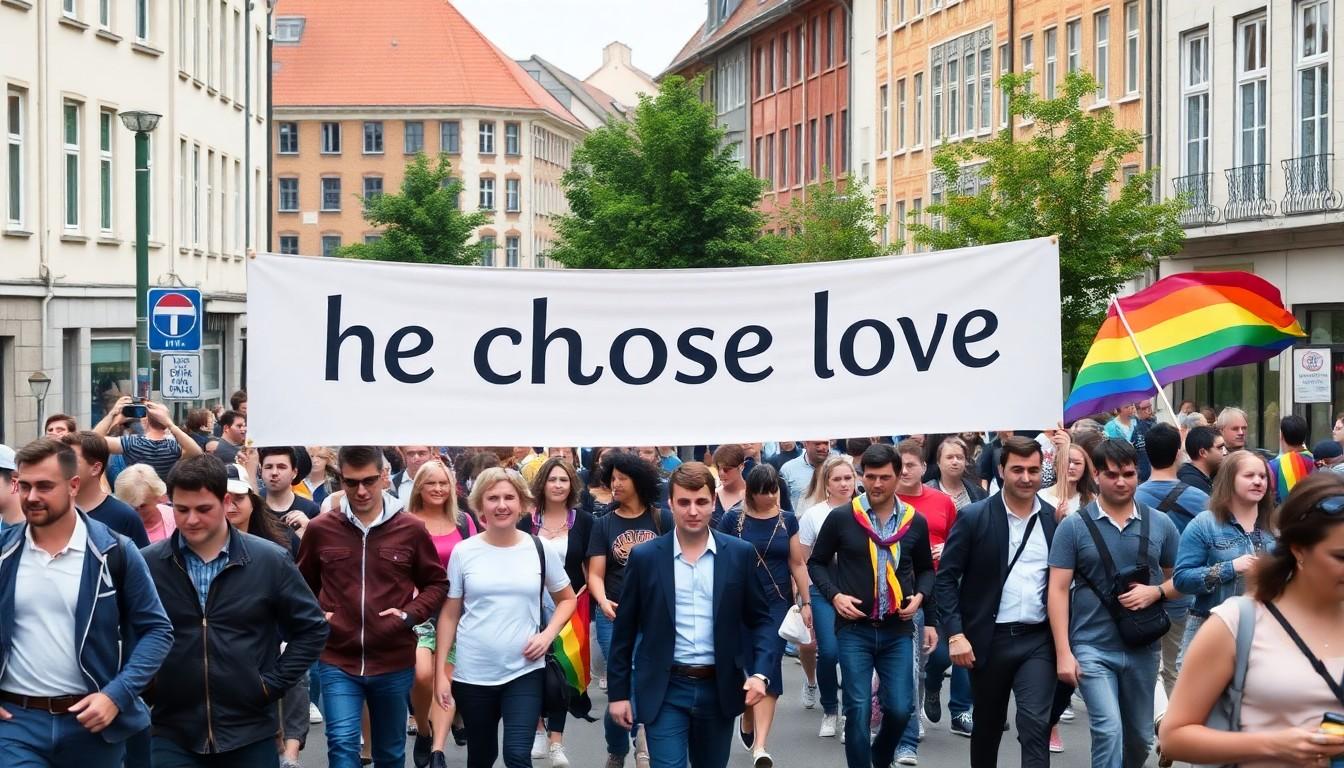
Around 1,700 people joined Wismar's Pride parade, turning a colourful second CSD into a clear demand for safety, equality and visible support. With political leaders marching alongside local activists, the event showed why queer protection, advice services and community spaces still matter across Mecklenburg-Vorpommern.
Essential Takeaways
- Strong turnout: Police estimated that up to 1,700 people joined the Wismar parade.
- Clear message: The event called for love, self-determination and a more open society.
- Safety remains central: Organisers demanded firmer action against anti-queer violence and harassment.
- Political support: Minister-President Manuela Schwesig and other public figures took part.
- A young local tradition: This was only the second Christopher Street Day held in the Hanseatic city.
Wismar's second Pride was colourful, but far from carefree
Music, speeches and drag performances brought a lively pulse to Wismar's streets, yet the message behind the celebration was serious. The city's second Christopher Street Day drew up to 1,700 people, according to police figures reported by Stern, with demonstrators calling for queer visibility and protection.
The slogan, "Wir waehlen Liebe - Wismar will's wissen", placed warmth and defiance side by side. It was a striking reminder that Pride can feel joyful and urgent at the same time, especially in smaller cities where public visibility still carries real weight.
Why protection was at the heart of the march
Participants called for stronger safeguards for Germany's self-determination law, better queer advice services and a tougher response to anti-queer attacks. Those demands echo concerns raised at Pride events across the region, where celebration often sits alongside anxiety about hostility in public life.
Local reporting from Wismar described the event as a gathering for a colourful society, while broader coverage of Christopher Street Day demonstrations in Mecklenburg-Vorpommern has highlighted the same blend of music, community and political action. The practical point is simple: a parade can raise awareness, but year-round support services help people when the banners have come down.
Political leaders joined the crowd
Minister-President Manuela Schwesig, Wismar mayor Frank Junge and Green politician Claudia Roth were among those reported to have taken part. Schwesig said the march showed support for a self-determined and free life for queer people, while stressing that attacks on queer communities harm democratic coexistence more broadly.
Her appearance gave the event extra visibility, but it also raised the bar for political action. As Pride becomes more established in towns beyond Germany's biggest cities, organisers and residents will expect supportive speeches to be matched by funding, protection and accessible local services.
Pride in Mecklenburg-Vorpommern is growing
Wismar's turnout sits within a wider regional pattern. CSD events in Rostock have also attracted large crowds, with previous reports describing thousands expected or taking part in parades supported by sunshine, music and street celebrations.
That growth matters because smaller-city Pride events can create a different kind of visibility. They bring queer life into everyday spaces, connect people who may otherwise feel isolated and make it harder for local institutions to treat equality as an abstract issue happening somewhere else.
What the history of CSD still tells us
Christopher Street Day traces its roots to the 1969 uprising at the Stonewall Inn in New York, when people resisted a police raid at a popular gay venue. The first anniversary was marked by a march of around 4,000 people, helping establish a tradition that has since spread around the world.
The history explains why modern Pride is both celebration and protest. There are flags, dancing and friendly crowds, but also a memory of resistance and a demand that hard-won freedoms aren't quietly rolled back. In Wismar, that balance was plainly visible.
A lively parade is encouraging, but lasting safety is the real measure of progress.
Source Reference Map
Story idea inspired by: [1]
Sources by paragraph:
- Paragraph 1: [2], [4]
- Paragraph 2: [3], [7]
- Paragraph 3: [2], [6]
- Paragraph 4: [3], [5]
- Paragraph 5: [4], [6]
- Paragraph 6: [5], [7]
- Paragraph 7: [3], [4]
- Paragraph 8: [2], [5]
- Paragraph 9: [4], [6]
- Paragraph 10: [3], [7]
- Paragraph 11: [4], [5]
- Paragraph 12: [2], [6]
- Paragraph 13: [3], [4]
- Paragraph 14: [5], [7]