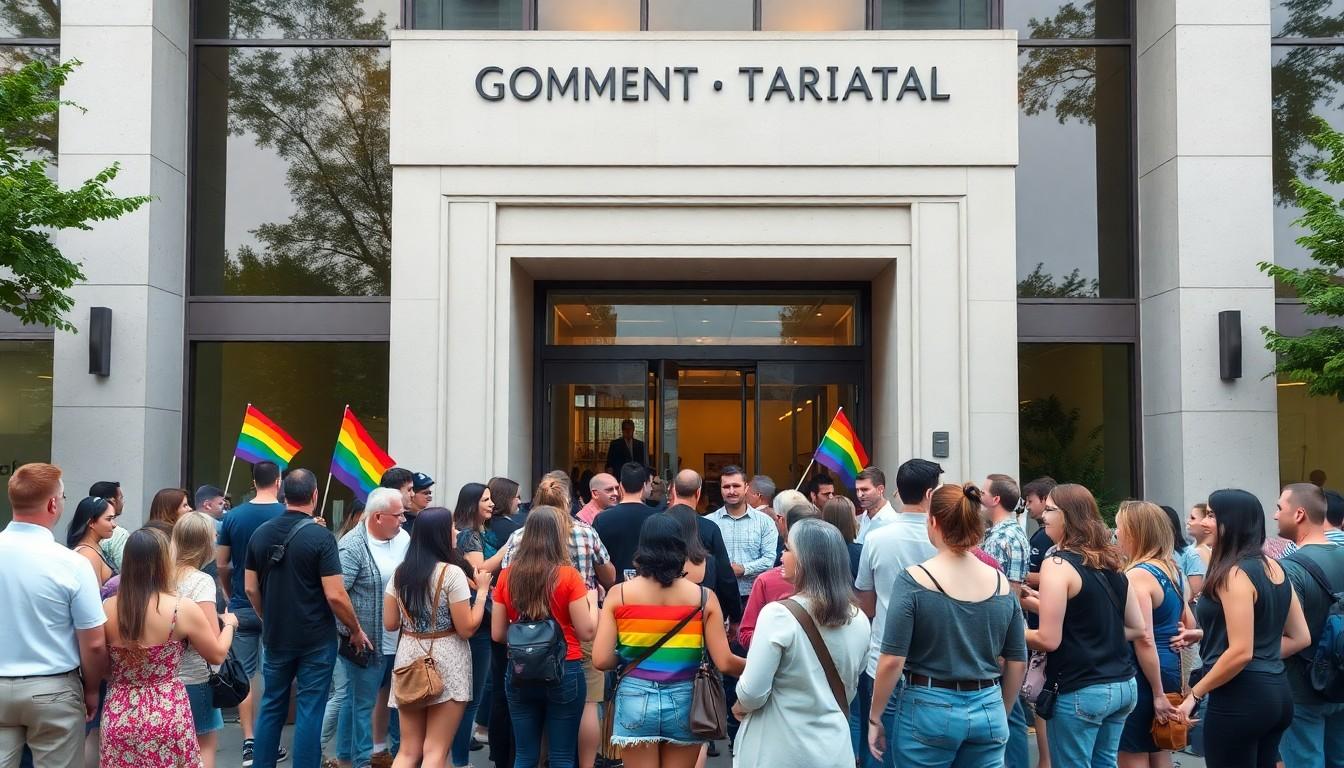
Thousands gathered in Richmond for Virginia PrideFest, where Governor Abigail Spanberger’s enthusiastic appearance offered a powerful contrast with the state’s recent political history and showed why visible LGBTQ+ allyship still matters.
Essential Takeaways
- A major celebration: Virginia PrideFest brought together LGBTQ+ people, allies, performers, food vendors and community organisations.
- A visible ally: Governor Abigail Spanberger attended openly and took part in the festival’s celebratory atmosphere.
- A clear contrast: Her appearance followed four years in which LGBTQ+ issues, particularly transgender rights, became a political flashpoint.
- Policy as well as symbolism: Spanberger has backed a constitutional amendment that would protect marriage equality in Virginia.
- Community-led energy: PrideFest remains a space for joy, connection and resistance, not simply a political photo opportunity.
Richmond PrideFest puts visibility centre stage
Richmond’s PrideFest had the scale and buzz of a city-wide summer gathering, with crowds moving between exhibitors, food trucks, music and drag performances at Midtown Green. More than 200 vendors and organisations took part, giving the festival a lively, colourful feel rather than the atmosphere of a formal political event. Diversity Richmond’s festival information highlights that broad community focus. [3]
Against that backdrop, Governor Abigail Spanberger’s presence carried particular weight. She wasn’t merely appearing for a quick photograph; her attendance was presented as an enthusiastic show of support at Virginia’s largest LGBTQ+ gathering. Local coverage from 12 On Your Side also described a substantial turnout, underlining how PrideFest has become a major fixture in Richmond’s public life. [4]
Why the governor’s appearance feels different
Virginia has seen sitting Democratic governors attend PrideFest before, including Terry McAuliffe and Ralph Northam. But that continuity was interrupted during Republican Governor Glenn Youngkin’s term, when policies affecting LGBTQ+ people, especially transgender pupils, became a defining source of tension. The contrast makes Spanberger’s presence more noticeable. [2]
For many attendees, representation is about more than who stands on a stage. It’s also about whether public officials treat LGBTQ+ residents as part of the state’s civic life or as a convenient campaign issue. That distinction is especially sharp after elections in which arguments about pronouns, bathrooms and school sport were used to stir anxiety around transgender people. [2]
From inaugural symbolism to policy
Spanberger’s relationship with Virginia’s LGBTQ+ community was signalled early in her administration. At her inauguration, Virginia Pride and Diversity Richmond were among the groups carrying a giant Pride flag through the capital, a visual statement that LGBTQ+ Virginians were being welcomed into the new political chapter. [2]
There has also been a policy dimension. Spanberger signed legislation sending a constitutional amendment on marriage equality to voters. If approved, it would remove Virginia’s unenforceable same-sex marriage ban and affirm marriage rights for couples regardless of sex, gender or race. That turns Pride symbolism into a question with practical legal consequences. [2]
Pride festivals are growing, but their purpose remains personal
Richmond’s event sits within a wider pattern of large Pride celebrations drawing crowds across the United States. Reports from Milwaukee, for example, have highlighted record-breaking attendance at PrideFest, showing the continued appetite for big, welcoming public events. [5] [7]
Still, numbers only tell part of the story. Festivals offer a rare mix of celebration and reassurance: a place where people can find community, enjoy a loud soundtrack, share food and see public support made visible. For someone who has spent the year feeling discussed rather than heard, that can matter enormously.
What happens after the rainbow flags come down?
The strongest test of political allyship is what follows the festival. Attending Pride can send an important message, but LGBTQ+ residents also look for durable protections, respectful public services and leaders willing to challenge harmful rhetoric when the cameras have gone.
Spanberger’s appearance therefore worked on two levels. It offered an affirming moment to the crowd in Richmond, while also drawing a line between an administration that treats LGBTQ+ people as neighbours and one that turns them into campaign targets. That’s why the scene felt bigger than a Saturday festival: it was a reminder that belonging is political, too.
PrideFest’s combination of joy and resistance remains highly relevant, particularly when communities are still being pulled into national culture-war debates. The crowd’s presence suggested that, whatever the political noise, LGBTQ+ Virginians and their allies intend to keep showing up. [3] [4]
Closing Line
In Richmond, Pride was both a celebration and a public statement about who belongs.
Source Reference Map
Story idea inspired by: [1]
Sources by paragraph: