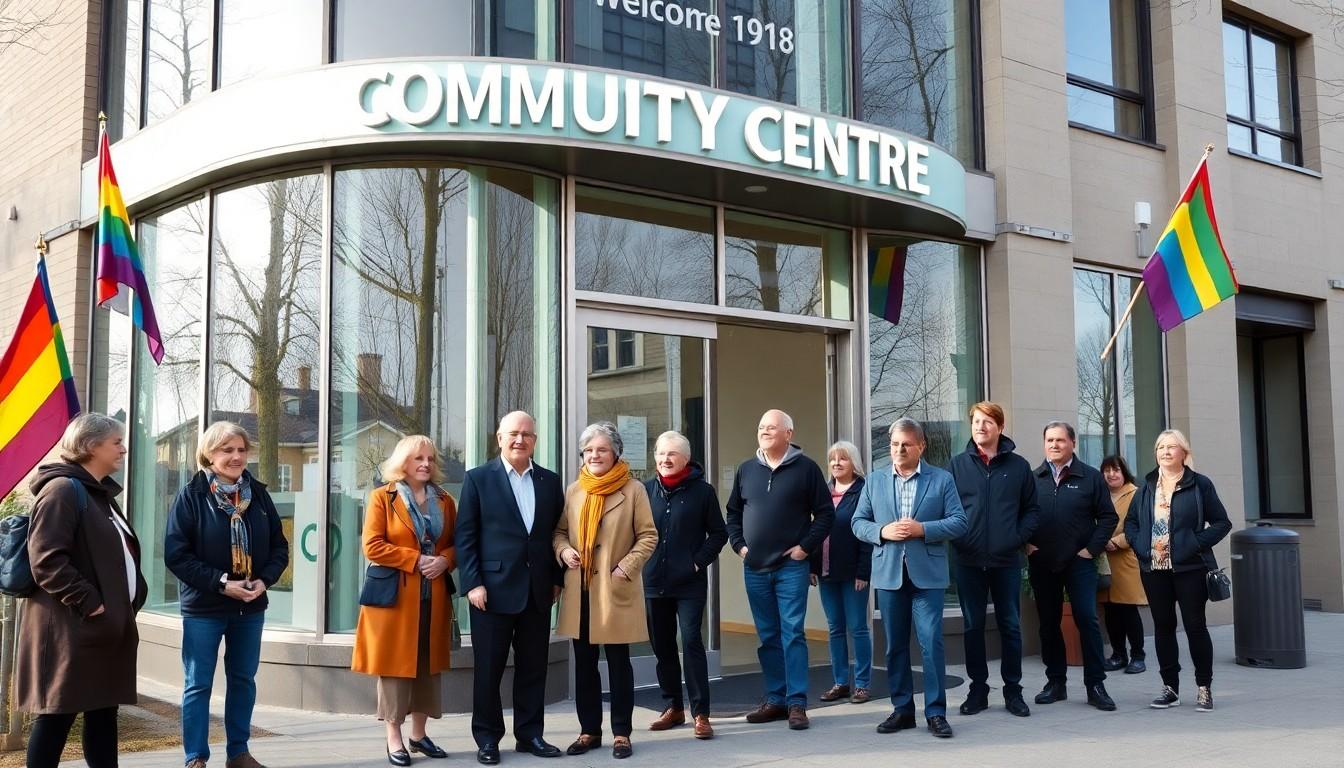
A disputed $19 million legacy gift has put transparency, older LGBTQ+ residents and future estate giving under the spotlight in San Diego, raising a bigger question: how can a community organisation reassure donors that their wishes will be respected?
Essential Takeaways
- A significant legacy: The Thimot-Rawnsley bequest was intended to support LGBTQ+ older adults.
- Trust is central: Estate donors need confidence that their instructions will be followed after their death.
- Transparency matters: Clear accounts and regular public updates could help repair confidence.
- A wider concern: The dispute may influence whether other older LGBTQ+ San Diegans choose to leave legacy gifts.
- The opportunity remains: Better governance could turn the controversy into a renewed commitment to ageing members of the community.
A $19 million gift has become a test of trust
The striking detail isn't only the size of the bequest. It's what the money represented: two older LGBTQ+ San Diegans placing their faith in an organisation they believed could improve later life for people like them.
That makes the argument over the gift feel especially painful. A legacy donation is deeply personal, often built over decades of saving, activism and community connection. According to the San Diego Union-Tribune, the controversy has prompted concerns about whether the San Diego LGBT Community Center can restore confidence among donors and beneficiaries.
For many people, the emotional stakes are just as real as the financial ones. Nobody wants to imagine their final act of generosity becoming a source of uncertainty.
Why older LGBTQ+ adults are watching closely
The Thimot-Rawnsley gift offered a powerful example for older LGBTQ+ residents considering their own estates. It suggested that a person could leave behind more than money: they could help fund housing, support services and dignity for future generations.
But that example can work in two directions. If donors believe a gift's purpose might become unclear, or that its administration won't be easy to understand, they may simply choose another organisation, a private foundation or direct support for relatives and friends.
Reporting and commentary from Times of San Diego and the Los Angeles Blade have placed the dispute within a broader discussion about the needs of ageing LGBTQ+ people. That context matters, because older members of the community can face isolation, housing pressure and limited support networks, making targeted services particularly valuable.
Transparency is the practical route back
The most obvious remedy is also the least glamorous: publish clear information. That could include an accessible account of how the fund is held, what restrictions apply, what has been spent and how planned programmes match the donors' intentions.
Regular updates would help, too. The Center has issued information about the Thimot-Rawnsley fund, while its planned-giving materials show that legacy donations form part of its wider fundraising model. Still, donors generally need more than a single announcement. They need a pattern of openness that is easy to follow.
An independent review or clearly defined oversight process could offer additional reassurance. The aim shouldn't be to create more paperwork for its own sake, but to make the fund's purpose visible to the people it was meant to serve.
The money arrives as housing worries grow
The timing adds urgency. Coverage from the California Globe has linked the bequest controversy with San Diego's worsening housing pressures, while wider reporting has highlighted concerns about whether older LGBTQ+ residents are receiving enough practical support.
That doesn't mean a large gift can solve every problem. Housing, care and ageing services require long-term planning, professional expertise and sustained funding. But a substantial restricted fund can still make a meaningful difference when its goals are clearly defined and publicly measured.
For potential donors, the question is straightforward: will the organisation's future work reflect the values that inspired the gift? A transparent answer could help turn a troubling episode into a useful blueprint for responsible philanthropy.
A chance to honour the donors' example
The Center now has an opportunity to show that the bequest can do what Maurice Thimot and Rust Rawnsley intended. That means listening to older LGBTQ+ residents, explaining decisions plainly and demonstrating progress with evidence rather than broad assurances.
It also means recognising that legacy giving depends on relationships. The Center's planned-giving programme can invite future donors into that conversation, but confidence will be rebuilt through action, not just appeals.
A $19 million gift should have opened the door to hope. With careful stewardship, it still might. For older LGBTQ+ San Diegans watching from the sidelines, that would be more than good administration. It would be a sign that their community remembers who helped build it.
A transparent recovery could protect both the fund's purpose and the next generation of donors.
Source Reference Map
Story idea inspired by: [1]
Sources by paragraph: