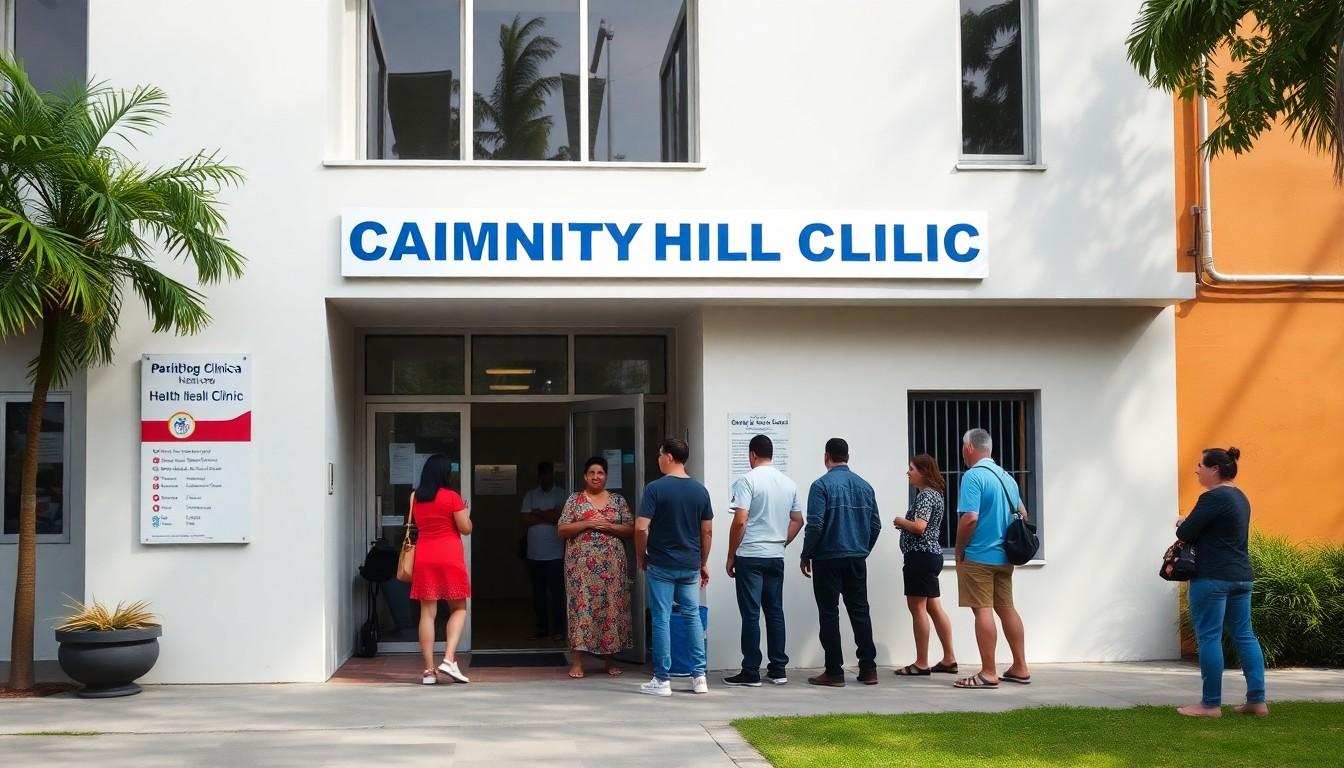
People living with HIV in Brazil have access to free testing, prevention and treatment, yet fear and discrimination continue to keep many from care. Advocates say clearer public education, trusted healthcare and newer long-acting medicines could help replace outdated images of HIV with a more accurate, hopeful picture.
Essential Takeaways
- Treatment is available: Brazil's public health system provides HIV testing, prevention, medicines and support at no cost.
- Stigma remains widespread: UNAIDS Brazil reports that 53% of people living with HIV have experienced discrimination.
- Modern care changes lives: Effective treatment allows people with HIV to live long, healthy lives and prevents sexual transmission when the virus is undetectable.
- Long-acting options are advancing: Newer medicines, including extended-duration treatments, could make prevention and care easier for some people.
- Trust is crucial: Fear of judgement or confidentiality breaches can discourage testing and interrupt treatment.
HIV is no longer the illness many people remember
The most damaging HIV myth is also one of the oldest: that a positive diagnosis automatically means a short life and visible illness. That image still lingers in Brazil, despite decades of progress in treatment and prevention.
Gareth Thomas, the former Welsh rugby player who publicly shared his HIV status in 2019, has become a prominent voice against that outdated stereotype. His message is simple but powerful: with prompt treatment, people living with HIV can have ordinary, fulfilling and healthy lives.
That reassurance matters because public attitudes don't always move as quickly as medical science. UNAIDS fact sheets describe antiretroviral treatment as capable of suppressing the virus, protecting health and preventing sexual transmission when an undetectable viral load is maintained. [3]
Free care exists, but fear still gets in the way
Brazil has built one of the region's most comprehensive public HIV responses. Testing, prevention, treatment and support are covered through the country's universal health system, according to UNAIDS Brazil. [2]
So why do people still arrive late for care or stop taking medicines? The answer isn't simply a lack of services. It can be the fear of being recognised at a clinic, judged by a healthcare worker or seen taking tablets by a neighbour.
UNAIDS Brazil's reporting shows how serious that gap remains. More than half of people living with HIV surveyed in the country said they'd experienced discrimination, a reminder that availability on paper doesn't always translate into confidence in real life. [7]
For anyone concerned about HIV, the practical lesson is clear: use official health services, ask about confidentiality and seek advice early. A test is a route to information and care, not a verdict on someone's character.
Stigma can be as harmful as the virus
Discrimination often begins with misinformation about how HIV is transmitted. Casual contact, sharing food or being near someone with HIV doesn't spread the virus, yet these fears can still fracture families, friendships and workplaces.
The emotional cost is heavy. People may hide their diagnosis, avoid appointments or take treatment irregularly because they don't want anyone to know. That can damage both individual health and wider public-health efforts.
UNAIDS Brazil's stigma index work highlights the scale of the problem, while its national figures show why it can't be treated as a minor social issue. When people feel unsafe asking for help, even a strong healthcare system struggles to reach them. [6]
Women and LGBTQ+ people can face additional pressure, particularly where gender expectations, homophobia and transphobia overlap with HIV prejudice. A genuinely effective response therefore needs more than medicine. It needs privacy, respectful services and honest conversations in schools and communities.
Longer-lasting medicines could make care easier
HIV prevention and treatment are moving towards options that don't always depend on taking a daily tablet. UNAIDS Brazil has highlighted discussions around long-acting medicines and strategies designed to improve adherence, particularly for people who find daily treatment difficult. [4]
That doesn't mean injectable or extended-duration treatment is right for everyone. Eligibility, availability and medical advice still matter, and people should speak with a qualified healthcare professional before changing any medication.
But the direction of travel is encouraging. Treatments that reduce the burden of daily dosing could help people who worry about privacy, forget tablets or struggle to stay connected to healthcare. The medicine may become quieter in everyday life, which is precisely the point.
Better information is the missing ingredient
Brazil's HIV response shows what can happen when public provision and medical research work together. The remaining challenge is making sure people trust the system enough to use it.
UNAIDS statistics continue to track progress in testing, treatment and prevention, but the figures also underline the need to close gaps between access and uptake. [5] Education campaigns should explain what HIV is, how it is and isn't transmitted, and why treatment changes the outlook.
There is a human reason to keep pushing. People who once expected rejection can sometimes rebuild relationships when friends and relatives learn the facts. Knowledge doesn't erase every difficult conversation, but it gives those conversations a much better starting point.
The most useful message is also the least dramatic: HIV is a health condition that can be prevented, treated and managed. Fear, however, remains contagious, so replacing it with accurate information is everyone's job.
Better information can make every test, appointment and treatment decision feel safer.
Source Reference Map
Story idea inspired by: [1]
Sources by paragraph: