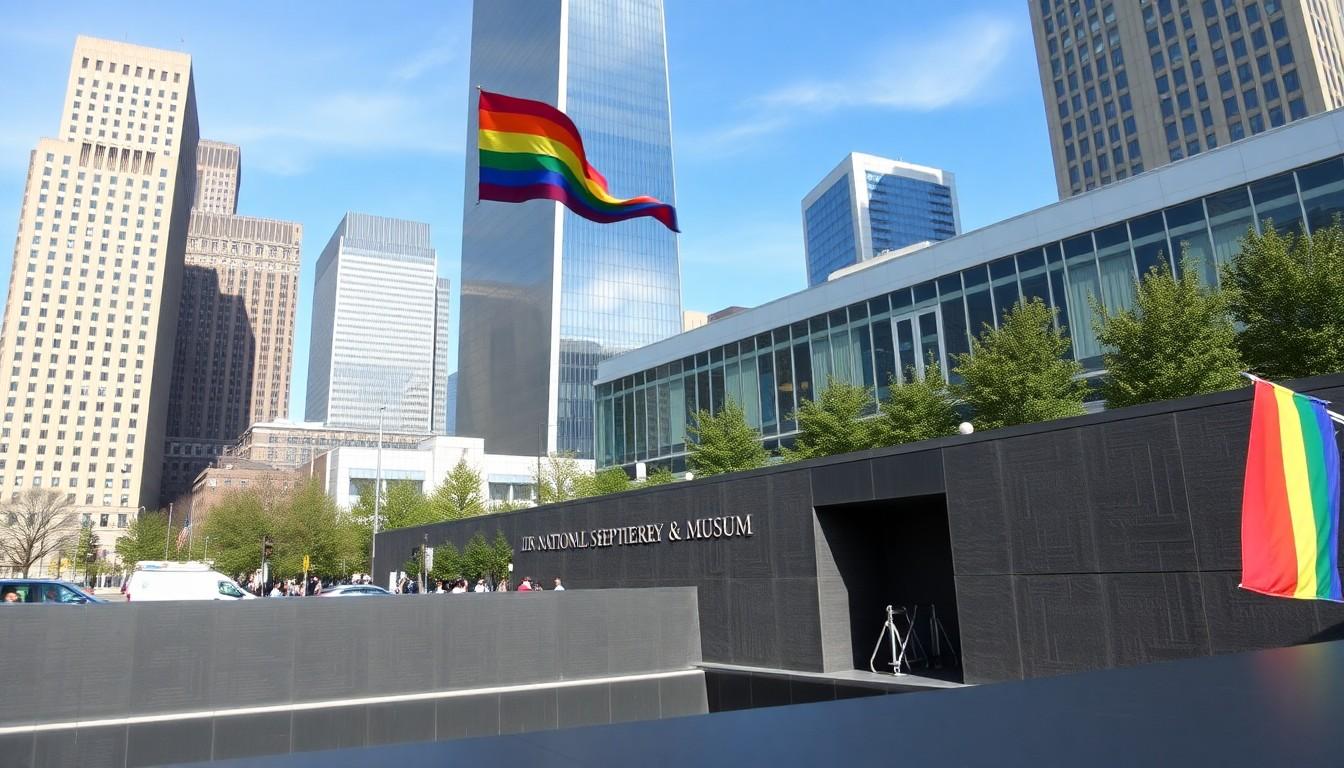
Communities across the US are marking the 25th anniversary of 9/11 by remembering LGBTQ people caught up in the attacks, including pilot David Charlebois, passenger Mark Bingham and firefighter chaplain Father Mychal Judge. Their stories reveal courage under unimaginable pressure, as well as the painful inequality faced by same-sex partners seeking recognition and support.
Essential Takeaways
- Mark Bingham’s courage: The gay passenger helped lead the attempt to retake Flight 93’s cockpit.
- David Charlebois remembered: The out gay co-pilot died aboard American Airlines Flight 77.
- Father Mychal Judge’s service: The gay Franciscan chaplain died while helping at the World Trade Center.
- Families faced barriers: Some same-sex partners initially struggled to access compensation and survivor benefits.
- The legacy continues: Memorials and compensation programmes still shape how 9/11 is remembered.
The LGBTQ lives woven into 9/11’s story
The story of 9/11 is often told through enormous numbers: nearly 3,000 people killed, four hijacked aircraft and three places transformed into sites of mourning. But remembrance becomes more intimate when it follows individual lives, including those of LGBTQ people whose families, colleagues and friends were left to grieve. National Park Service records and aviation histories document the roles of several victims, including Mark Bingham and David Charlebois. [2], [4]
Bingham, a public relations executive from San Francisco, was travelling on United Airlines Flight 93 when passengers began planning a desperate attempt to seize control. The aircraft crashed in Pennsylvania before reaching its intended target, and the National Park Service credits the passengers and crew with preventing further deaths on the ground. It remains one of the clearest examples of ordinary people making an extraordinary decision in a few terrifying minutes. [2], [3]
Mark Bingham and the fight for Flight 93
Bingham was known among friends for his imposing physical presence, outgoing personality and love of rugby. Those details matter because they show a full human being rather than a symbol frozen in a memorial photograph. Reports cited by PinkNews and The Pink Times describe his role among the passengers who confronted the hijackers, a collective act of resistance that ended with the plane crashing near Shanksville. [5], [6]
The National Park Service's account of Flight 93 places that decision within a rapidly changing crisis. Passengers learned enough about the attacks elsewhere to understand that their aircraft was likely being used as a weapon, then acted despite having no certainty about what waited behind the cockpit door. The result was tragic, but their intervention is widely understood to have saved lives in Washington, DC. [3]
David Charlebois and Father Mychal Judge
David Charlebois was the co-pilot of American Airlines Flight 77, which struck the Pentagon. He was openly gay and connected with the Gay Pilots Association, making his loss especially significant to LGBTQ colleagues in aviation. Accounts of the aircraft and the Pentagon attack place him among the crew and passengers killed in one of the day's three major impact sites. [4]
Father Mychal Judge, a gay Franciscan priest and New York City Fire Department chaplain, died at the World Trade Center while ministering to injured and dying firefighters. His story carries a different kind of bravery: not a sudden act of resistance, but the instinct to move towards suffering and stay with people in their final moments. Together, these accounts show that courage on 9/11 took many forms, from cockpit action to quiet pastoral care. [1], [7]
When grief met unequal recognition
For LGBTQ families, the aftermath brought a second, colder shock. Same-sex relationships were not nationally recognised in the way they are today, and surviving partners could face questions over whether they counted as family when applying for financial assistance. The practical consequences were severe: while one person mourned, another might also have to produce legal documents or fight to prove a relationship that had been central to their life. [1]
Some organisations created dedicated support for gay and lesbian partners, while officials in New York moved to extend certain benefits to surviving partners. Yet access to federal compensation could depend on probate rules and the appointment of a personal representative, leaving an uneven patchwork of protection. That history is a reminder that legal recognition isn't an abstract issue; in a crisis, it can determine who gets help and who is left waiting. [1]
Why these stories still matter 25 years later
The 9/11 Victim Compensation Fund continues to support eligible victims and families, including people affected by illnesses linked to the attacks and their aftermath. Current guidance stresses the importance of proving presence at an eligible location and completing the required legal process, so families pursuing claims should check the latest official instructions rather than rely on old paperwork or assumptions. [1]
Memorials in New York, Arlington and Shanksville will continue to hold the public memory of 9/11, while newer national memorial projects look at the wars and counterterrorism operations that followed. For LGBTQ communities, remembrance also includes the work of making sure partners, chosen families and overlooked victims are named. Mark Bingham, David Charlebois and Father Mychal Judge are remembered not only because they were gay, but because their lives and actions belong fully within the wider history of that day. [1], [2], [3]
It's a small but important act of remembrance: tell the whole story, and make room for every family it contains.
Source Reference Map
Story idea inspired by: [1]
Sources by paragraph: