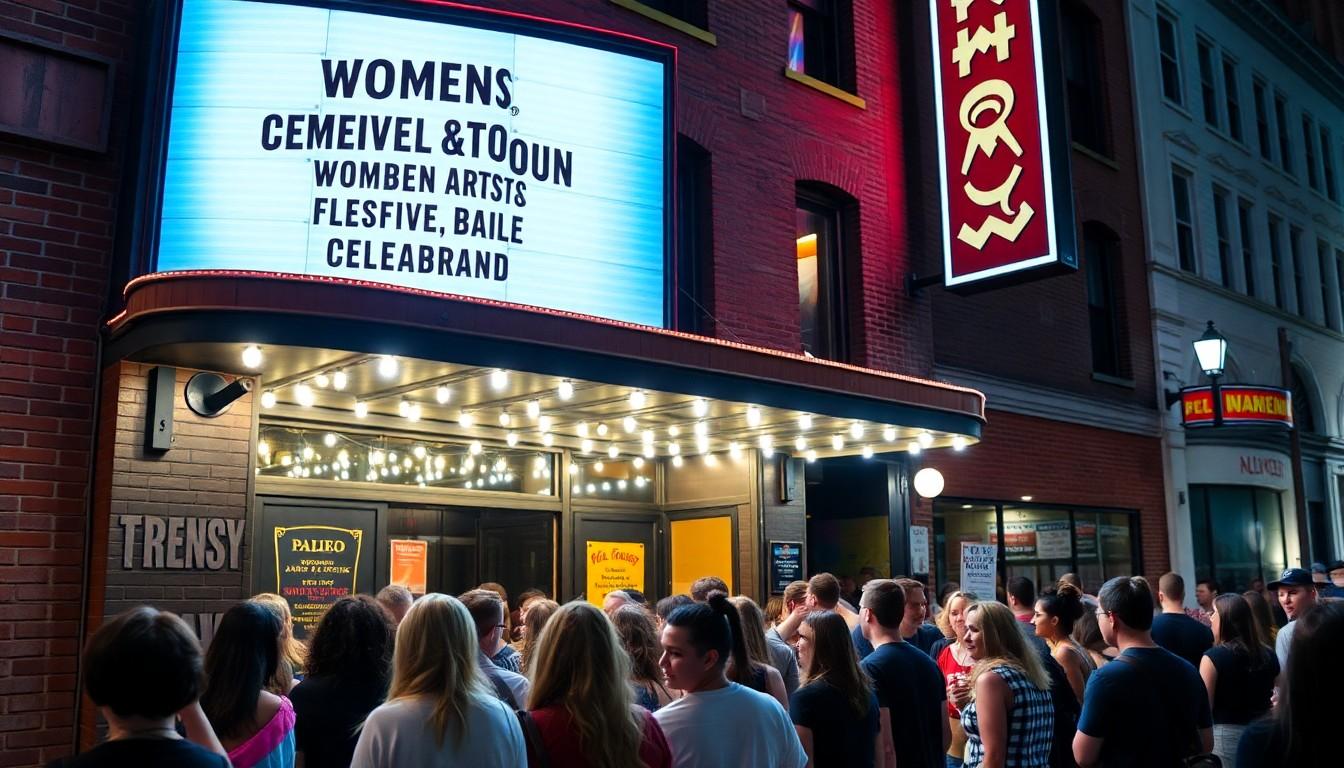
Music fans in Philadelphia are rediscovering the emotional pull of Lilith Fair through a lively local tribute concert. Featuring women artists, queer performers and a benefit for LGBTQ+ youth, the Johnny Brenda's event showed why this 1990s music movement still feels surprisingly urgent, communal and ready for a new generation.
Essential Takeaways
- A 1990s revival: Artists such as Alanis Morissette, Sheryl Crow and Sarah McLachlan are finding fresh listeners.
- A packed local line-up: Philadelphia performers tackled songs by Tracy Chapman, Fiona Apple, Liz Phair and more.
- A charitable purpose: Ticket proceeds supported The Trevor Project's work with LGBTQ+ young people.
- More than karaoke: A live backing band gave the covers a polished, respectful feel.
- The emotional centre: Lilith Fair's message of welcome remains as powerful as its songs.
Why Lilith Fair still feels so current
There was a particular texture to Lilith Fair's music: warm keyboards, ringing guitars and lyrics that didn't flinch from heartbreak. That combination is returning to playlists, concert halls and online conversations, as listeners revisit the women-led songwriting that shaped the 1990s and early 2000s.
The revival isn't limited to nostalgia. According to WXPN, established artists including Sheryl Crow, PJ Harvey, Bjork, Tori Amos, Liz Phair, Natalie Merchant and Sarah McLachlan have released new music in recent years. Their return has helped younger listeners discover songs that once felt personal to one generation and now sound newly relevant. [2]
The Hulu documentary about Sarah McLachlan's festival has added fuel to that interest, while tribute events offer something a streaming service can't: a room full of people singing the same words together. That's a powerful argument for live music, even when every song is technically a cover. [7]
Philadelphia turns nostalgia into a proper celebration
Johnny Brenda's tribute was organised by DJ Lily Cope and local talent buyer Lucy Stone, with a line-up that drew from Philadelphia's wide-ranging music community. Performers included Ali Wadsworth, Frances Quinlan, Sadie Dupuis, Rachel Andie and many more, giving the evening the feel of a local all-star gathering rather than a standard themed night. [2]
The song choices kept the atmosphere playful but musically ambitious. Lizzy De Lise opened with Sheryl Crow's "If It Makes You Happy", while Bobby Brown performed The Pretenders' "Brass In Pocket". Sam Rise brought Halloween theatre to Shawn Colvin's "Sunny Came Home", appearing as "Crushed ICE" and using the costume to make a pointed statement about immigration enforcement. [2]
Elsewhere, Reese Florence tackled Tracy Chapman's "Give Me One Reason", Sadie Dupuis covered both Aimee Mann and Liz Phair, and Ali Wadsworth took on Sarah McLachlan's "Possession". Elle Lovier's carrot costume added a wink to The Cardigans' "Lovefool", but the performances themselves were handled with real care. [2]
The benefit gave the music extra weight
Lilith Fair was always more than a collection of successful songs. Its wider appeal came from the idea that women artists could headline, support one another and build a major touring platform without waiting for traditional gatekeepers to approve them.
Cope said the tribute was designed to honour that spirit while raising awareness and funds for The Trevor Project, an organisation supporting LGBTQ+ young people. The Trevor Project describes itself as a suicide prevention and crisis-support organisation for LGBTQ+ youth, making the benefit's purpose much more immediate than a simple retro concert. [3]
That context shaped the night without overwhelming it. The room could enjoy a huge chorus, a silly costume and a dramatic key change while still knowing the ticket money was directed towards a serious cause. Good benefits manage that balance well: they let people have fun, then remind them why showing up matters. [3]
Big songs, brave choices and a strong live band
The second set pushed the performers into riskier territory. RIPLEY opened with Sinéad O'Connor's "Nothing Compares 2 U", Sovei offered a slower take on Patti Smith's "Because The Night", and Frances Quinlan appeared as a lobster for a Fiona Apple performance. Lucy Stone's version of Sixpence None The Richer's "Kiss Me" provided a gentler change of pace. [2]
The evening closed with Lily Cope and Ali Wadsworth performing the Indigo Girls' "Closer to Fine", a fitting choice for a show built around solidarity and shared voices. Behind them, Lucas Rinz, Mike Vivas, Pat Finnerty, Patrick Berkery and Dave Cope supplied the musical backbone. [2]
That distinction matters. A tribute can easily become a loose singalong, but this one treated the source material as something worth interpreting rather than imitating. The result was less pub karaoke and more a carefully assembled concert with a little Halloween chaos around the edges.
How to find the right Lilith Fair tribute experience
For anyone searching for Lilith Fair tribute shows celebrating women artists, the most appealing events are likely to combine recognisable songs with a genuine local identity. Check the line-up, whether there is a live band, and where the proceeds go before buying a ticket.
It also helps to expect variety. One performer may deliver a polished pop chorus, while another strips a familiar song back to something raw and quiet. That unpredictability is part of the charm, especially when the acts choose material that means something to them rather than simply reproducing a greatest-hits list. [5]
The Philadelphia event shows why this format has legs. It connects a much-loved musical era with present-day community organising, while giving artists room to be funny, theatrical and emotionally direct. As more listeners discover Lilith Fair through documentaries and recommendations, similar tribute nights could become a fixture rather than a one-off curiosity. [5]
It's a small reminder that the best nostalgia doesn't look backwards for long; it brings people together now.
Source Reference Map
Story idea inspired by: [1]
Sources by paragraph: