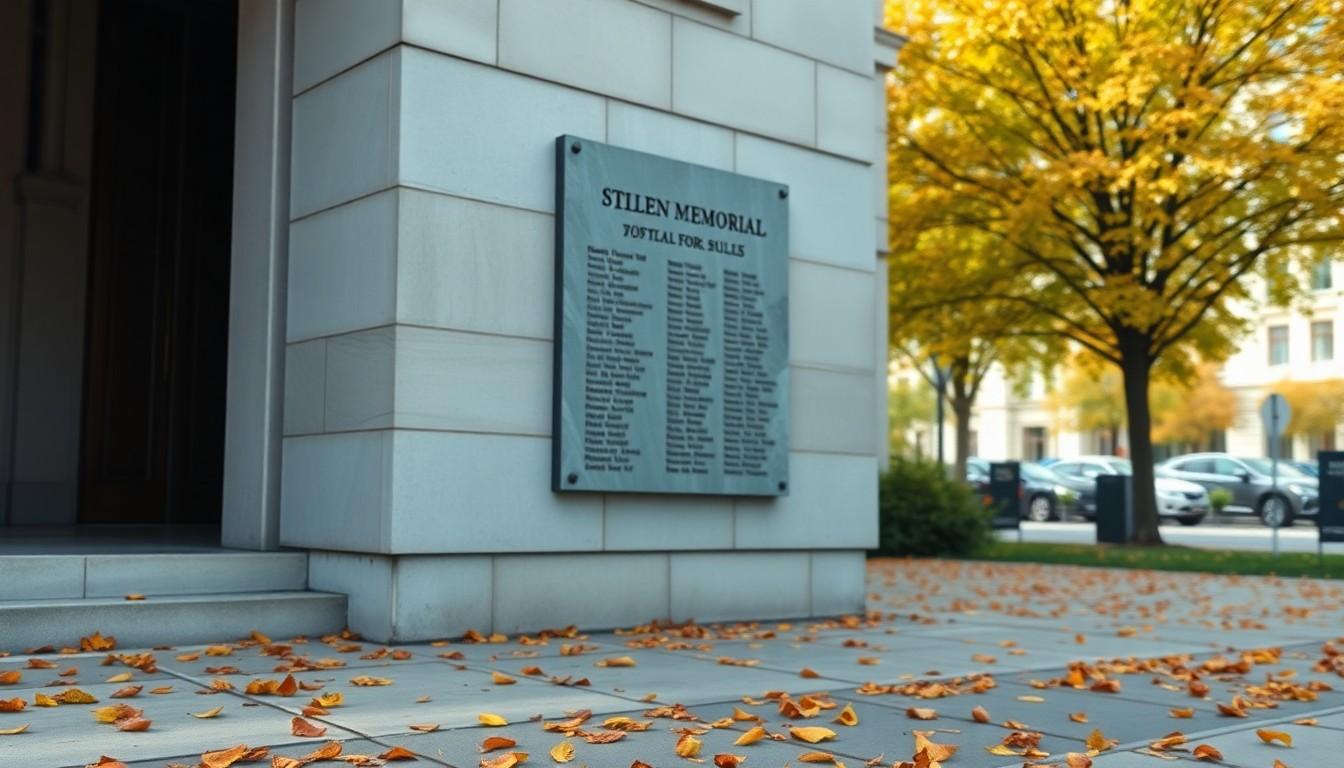
Twenty-five years after the September 11 attacks, LGBTQ+ victims and heroes remain an essential part of the story. From Mark Bingham’s courage aboard Flight 93 to families separated by loss and legal inequality, their lives reveal the community’s presence, resilience and grief on one of modern history’s darkest days.
Essential Takeaways
- At least 27 victims: Historians and LGBTQ+ media have identified at least 27 queer people killed in the attacks, though the true figure may never be known.
- Courage under pressure: Gay rugby player Mark Bingham helped lead the resistance aboard Flight 93.
- A chaplain remembered: Father Mychal Judge, a gay Franciscan friar and fire chaplain, became the first officially recorded victim.
- Families were overlooked: Same-sex partners often faced painful barriers when seeking recognition, benefits or compensation.
- Memory matters: Preserving individual queer stories ensures 9/11 history reflects the people behind the numbers.
The queer lives woven through 9/11
The most immediate image of 9/11 is familiar: smoke over Manhattan, emergency workers moving through dust, and names eventually read aloud at the memorial. But history is never only made up of its most recognisable images. As The Advocate has documented, LGBTQ+ people were among the passengers, workers, families and first responders caught up in the attacks. [2]
Their identities didn't cause their deaths, of course. Yet those identities shaped the lives they built, the people they loved and, in some cases, how their deaths were recognised afterwards. That distinction matters because reducing someone to a label can be almost as limiting as leaving them out entirely. [5]
There is no definitive official count. Sexual orientation and gender identity weren't systematically recorded in 2001, while some people were private about their identities. The result is an incomplete record, with at least 27 known LGBTQ+ victims and the likelihood that others remain unidentified. [6]
Mark Bingham's courage still resonates
Mark Bingham is perhaps the best-known queer figure connected with 9/11. The openly gay public relations executive was travelling on United Airlines Flight 93 when passengers learned that other hijacked planes had already struck the World Trade Center. [3]
Bingham, a strong and experienced rugby player, joined fellow passengers in trying to regain control of the aircraft. Flight 93 crashed in Pennsylvania before reaching its intended target, and his actions became part of the story of collective resistance that day. [7]
His legacy lives on through the Bingham Cup, an international inclusive rugby tournament named in his honour. As Outsports has noted, Bingham's life also challenged the tired assumption that gay men couldn't belong in physically demanding, traditionally masculine sporting spaces. He didn't need to choose between being openly gay and being a serious athlete. [3]
That may be one reason his story continues to carry such force. It offers courage, but also a glimpse of a man who had found room for all of himself.
Father Mychal Judge and the meaning of service
Father Mychal Judge, a Franciscan friar and New York City Fire Department chaplain, went towards the World Trade Center as the rescue operation began. He had spent years supporting firefighters, people experiencing homelessness, people living with HIV and AIDS, and members of New York's gay community. [4]
Judge died in the North Tower after debris came down following the collapse of the South Tower. A widely circulated photograph of firefighters carrying his body became one of the defining images of the aftermath, giving his death an enduring place in the public memory. [4]
He was designated Victim 0001, meaning he was the first victim formally recorded and certified, rather than necessarily the first person killed. His sexuality was not openly discussed during his lifetime, but friends and colleagues later spoke about him as a gay man. [5]
There's a striking tension in that history. A private gay priest who devoted himself to people living at society's edges became one of the first officially recognised faces of the tragedy.
Queer families were there, too
Not every story is about a public hero. Some are about ordinary families trying to get home.
Daniel Brandhorst, Ronald Gamboa and their three-year-old son, David, were returning to Los Angeles on United Airlines Flight 175 after visiting relatives. The aircraft was hijacked and flown into the South Tower, killing everyone aboard. [5]
Daniel and Ronald had built a life together long before same-sex marriage was recognised across the United States. Their son called one father “Daddy” and the other “Papa”, small family details that make the story feel painfully close and real. [5]
Other victims, including Carol Flyzik, Pamela Boyce and Sheila Hein, also left behind long-term partners. Their relationships involved shared homes, children, gardens, routines and plans, even when the law refused to treat them as equivalent to heterosexual marriages. [2]
That gap became brutally practical after the attacks. Surviving same-sex partners could face questions about next of kin, compensation and decision-making that married heterosexual partners generally didn't have to answer. The New Civil Rights Movement reported on the unequal treatment LGBTQ+ survivors encountered as assistance programmes were created. [6]
Recognition came late, but it mattered
Sheila Hein's partner, Peggy Neff, became an important example of how legal recognition could shape a family's recovery. Virginia law didn't recognise their relationship as a marriage, yet the September 11 Victim Compensation Fund awarded Neff more than US$500,000 for Hein's death. [6]
No payment could make that loss smaller. But the decision acknowledged that a same-sex relationship could carry genuine emotional and financial consequences, even when the law lagged behind reality. LGBTQ+ organisations also created funds and campaigned for surviving partners who risked being excluded from support. [6]
The broader lesson is uncomfortable but important. Queer families weren't suddenly created by marriage equality; they had already been raising children, buying homes and caring for one another. The attacks exposed how fragile their legal protection could be at the moment it mattered most. [5]
Twenty-five years on, many people have no personal memory of 9/11. That makes the detail of individual lives even more valuable. Remembering names, relationships and ambitions keeps the event human rather than allowing it to become only a date, an image or a statistic. [2]
Never forget means remembering everyone
Mark Bingham was more than a gay rugby player. Mychal Judge was more than a gay priest. Daniel Brandhorst and Ronald Gamboa were more than gay fathers, while Sheila Hein, Carol Flyzik and Pamela Boyce were more than LGBTQ+ victims.
They were colleagues, partners, parents, friends and neighbours. They had houses to maintain, flights to catch, work to finish and people waiting for them. Those ordinary details are not a distraction from history; they're what make history meaningful. [4]
As the 25th anniversary approaches, preserving queer stories is part of preserving the full record of 9/11. The number currently identified may be at least 27, but every one of those people deserves to be remembered as a complete human being. [7]
It's a simple promise, but a necessary one: their lives belong in the story, too.
Source Reference Map
Story idea inspired by: [1]
Sources by paragraph: