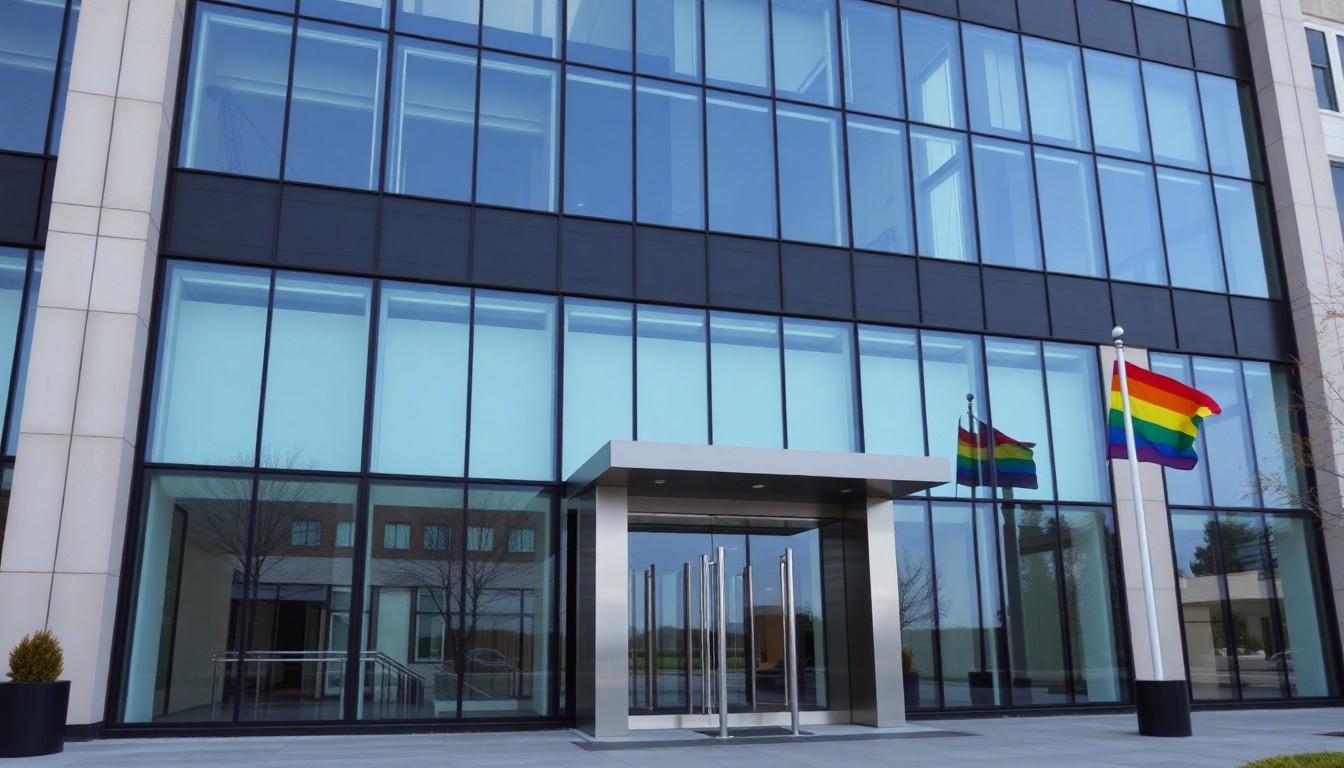
LGBTQ+ communities are looking beyond visibility towards lasting influence, asking who makes decisions, who benefits from progress and who still gets left out. As the movement reflects on five decades of organising in the United States, the next challenge is clear: turn hard-won recognition into shared power, stronger institutions and a wider welcome.
Essential Takeaways
- Recognition isn't the finish line: Legal rights and public visibility matter, but they don't automatically deliver influence.
- Power needs a seat at the centre: LGBTQ+ representation is strongest when communities help shape budgets, policies and leadership.
- The movement is broadening its lens: Future progress must include race, class, disability, faith, age and geography.
- Community spaces still matter: Research highlights the continuing value of LGBTQ+ venues, friendships and networks.
- Inclusion should be practical: Schools, workplaces, churches and civic groups need lasting change, not just seasonal statements.
Visibility opened doors, but power decides what happens next
The LGBTQ+ movement has achieved changes that once seemed out of reach, from wider legal recognition to greater public visibility. Yet a rainbow logo or a place in an established institution can feel rather thin if the people being welcomed have no meaningful say once they arrive.
That distinction sits at the heart of the next phase. The Human Rights Campaign describes its work as advancing equality and mobilising people around LGBTQ+ rights, but the wider challenge is making sure advocacy reaches the rooms where decisions are actually made. A seat is useful; a say is better.
The National LGBTQ+ Task Force's 50-year history also shows how sustained organising can turn community pressure into national influence. Its story is a reminder that progress rarely arrives as a gift from above. Usually, someone has spent years knocking on the door, then asking who owns the building. ([5], [2])
The bigger table has to include more people
A broader vision of equality can't stop at the most visible or politically comfortable parts of the community. LGBTQ+ people are not a single voting bloc or a uniform audience, and their experiences can differ sharply according to race, income, disability, age, faith and where they live.
That matters beyond politics. The Wilderness Society's work on creating a more diverse conservation community makes a useful wider point: organisations become stronger when they actively remove barriers rather than simply inviting under-represented people into existing structures. Inclusion needs access, support and influence, not just a friendly welcome at the front door.
The same principle applies across cultural life. The M Cultural organisation's focus on its community and cultural work reflects the importance of spaces where people can tell their own stories and shape how they are represented. A bigger table should have more voices around it, not merely a larger audience watching from the edges. ([3], [4])
Why LGBTQ+ spaces still matter in everyday life
Digital connection has made it easier to find people with shared experiences, but physical and social spaces still carry a special weight. A familiar cafe, arts venue, community centre or local group can offer something an online feed can't quite replicate: recognition without explanation.
Pew Research has highlighted the role of friends, community ties and LGBTQ+ spaces in people's lives, showing why belonging remains a practical issue rather than an abstract ideal. These places can provide friendship, safety, information and the confidence to take part in public life.
That support is particularly important when national debates become exhausting. People need somewhere to breathe, laugh, organise and be ordinary. The next chapter of LGBTQ+ progress should protect those spaces while making them more accessible to people who have historically found mainstream community life difficult to enter. ([7], [6])
From corporate rainbows to year-round accountability
Companies have become more comfortable displaying LGBTQ+ support, particularly during Pride season. But visibility can quickly feel hollow when it isn't matched by fair workplace policies, senior representation, supplier diversity or support for staff facing discrimination.
The practical test is straightforward. Who makes the decisions? Who controls the money? Are LGBTQ+ employees heard outside June, and does the organisation stand by its values when doing so becomes inconvenient?
The Human Rights Campaign's long-running equality work gives businesses a framework for thinking about policies and workplace conditions, while the Task Force's history underlines the value of organised pressure. In other words, a campaign badge may start a conversation, but accountability is what keeps it going. ([2], [5])
Schools, faith groups and civic life need more than tolerance
Young people shouldn't have to treat basic belonging as a special privilege. Schools can make a real difference through clear anti-bullying policies, inclusive teaching, trusted pastoral support and spaces where students aren't reduced to the latest political argument.
Faith groups and civic organisations face a similar choice. A rainbow outside the building may signal welcome, but lasting inclusion depends on who helps set the agenda, manages resources and chooses future leaders. That is where good intentions become institutional change.
The Wilderness Society's approach to building a diverse movement offers a useful model: broaden participation, listen carefully and change systems that quietly exclude people. It's less flashy than a public statement, but far more likely to endure. ([4], [6])
The next 50 years will be judged by shared power
The movement's earlier victories remain worth celebrating. Recognition, protection and representation have changed countless lives, and the work behind those gains deserves respect. But history also offers a useful warning: rights can be fragile when communities aren't involved in defending and extending them.
So the future question is not simply whether LGBTQ+ people are invited into existing institutions. It's whether those institutions are becoming fairer because LGBTQ+ people, alongside other marginalised communities, are helping to redesign them.
That work will be uneven and sometimes frustrating. Still, building a bigger table is a hopeful ambition because it shifts the focus from admission to participation, and from visibility to power. ([5], [7])
A lasting welcome means helping decide what comes next.
Source Reference Map
Story idea inspired by: [1]
Sources by paragraph: