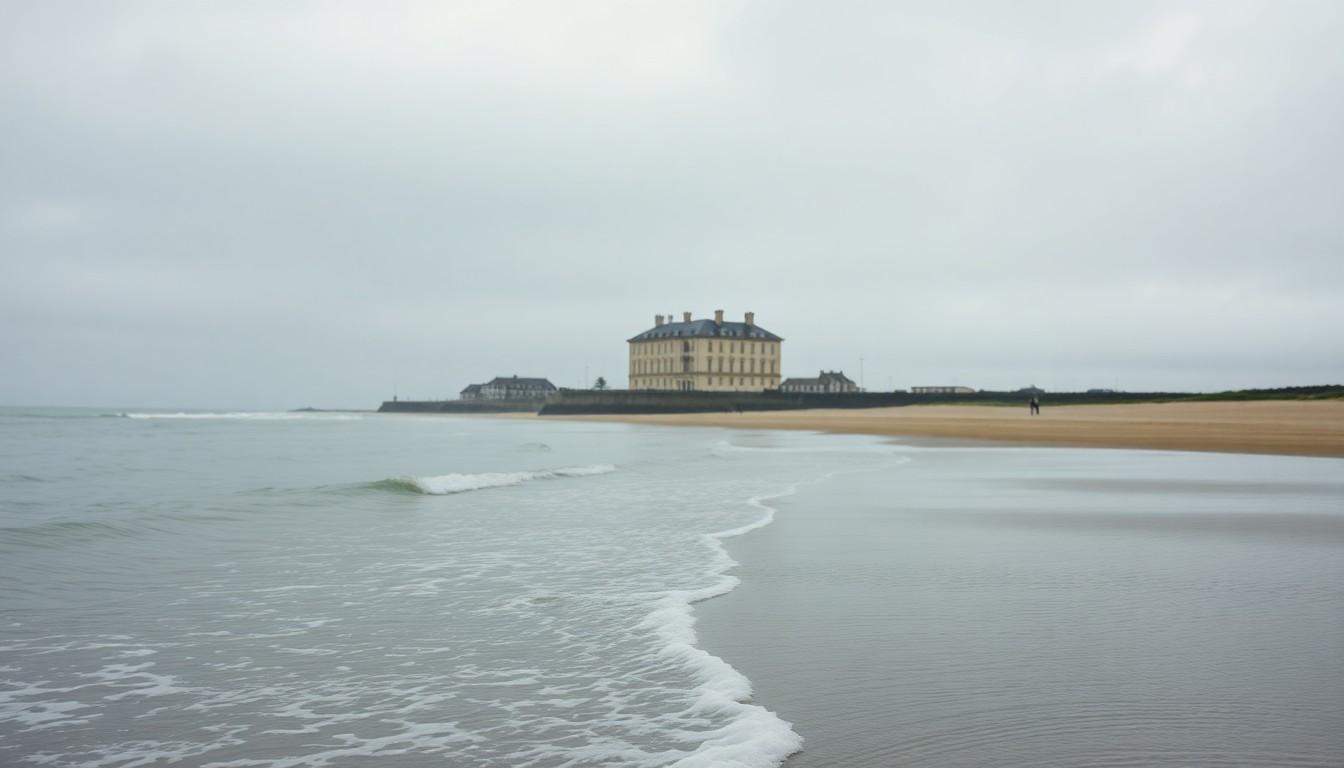
Readers are being drawn to a thoughtful mix of seaside imagery, queer history and art criticism, linking ocean-front fantasy with places such as Fire Island and Provincetown. The appeal isn't simply visual: these coastal settings reveal how LGBTQ+ communities found freedom, friendship and creative space, while artists turned the sea into a symbol of desire, escape and belonging.
Essential Takeaways
- The coast carries meaning: Seaside spaces have often offered LGBTQ+ people room to gather, express themselves and build community.
- Fire Island made history: The island became a notable LGBTQ+ refuge and social hub, celebrated through photography and memory.
- Provincetown remains distinctive: Its artistic identity and welcoming atmosphere helped establish it as a long-standing queer haven.
- Artists use the sea symbolically: Water can suggest freedom, vulnerability, isolation or a life beyond convention.
- Context matters: Coastal imagery is best understood alongside the histories, bodies and communities represented within it.
Why the seaside feels so queer
An ocean view can look like pure escape: bright water, open sky and a horizon that seems to promise another life. But in queer art and history, that visual freedom often carries extra weight. The shoreline isn't merely scenic; it's a place where social rules can feel less fixed and private identities can become public ones.
Art Basel's discussion of queer painters and the sea explores how maritime settings have carried ideas of masculinity, intimacy and emotional exposure. The result is more complicated than a simple holiday postcard. Beneath the blue water is a recurring question: who gets to feel at home in public?
Fire Island turned retreat into community
Fire Island's importance comes from more than its beaches and summer houses. As History.com documents, the destination became closely associated with LGBTQ+ life, giving generations of gay men and their friends a place to socialise, celebrate and live with fewer everyday constraints.
That history helps explain why photographs of Fire Island can feel almost archival, even when they appear relaxed or glamorous. A sun-warmed deck, a crowded path or a quiet stretch of sand may record something larger than leisure: the hard-won pleasure of being visible among people who understand you.
Provincetown's creative welcome still resonates
Provincetown developed a different but equally powerful identity. PBS's American Masters traces how the Massachusetts town became a haven for LGBTQ+ Americans, helped by its long artistic tradition and unusually open social atmosphere.
Its appeal lies in the overlap between art and daily life. Galleries, performance, nightlife and beach culture sit close together, creating a town where self-expression doesn't feel like a special event. For visitors, that atmosphere can be liberating; for historians, it shows how a place becomes welcoming through repeated acts of community-building.
When the ocean becomes an artistic language
Water is a flexible symbol, which is one reason it appears so often in queer visual culture. It can represent escape from the expected script, but it can also suggest loneliness, danger and the instability of identity. Artcritical's writing on waterfront imagery points towards that tension, where the shoreline is both meeting place and boundary.
The sea also makes the body impossible to ignore. Swimmers, sailors and sunbathers are framed against a landscape that feels open yet intensely intimate. That contrast gives coastal art its particular charge: the scene may look calm, but questions about looking, desire and power are moving underneath.
Looking beyond the postcard
The most rewarding way to approach LGBTQ+ coastal art is to pause before treating it as decorative. Consider who created the image, who is being seen, and what kind of freedom the setting offers. A polished seaside scene may celebrate liberation, while another may reveal the loneliness that can accompany life outside the mainstream.
Historical and cultural context sharpens that reading. Work on queer art and performance, including discussion of Gilbert and George's early practice, shows how clothing, presentation and public identity can become artistic material. The same is true of waterfront imagery: a suit, a bare shoulder or a distant horizon can all say something about belonging.
Coastal queer history also needs room for complexity. Not every refuge was equally accessible, and not every visitor experienced these communities in the same way. Still, the enduring appeal is clear. As one human reflection, the beach can be the rare place where simply standing in the open feels like an achievement.
For readers exploring LGBTQ+ history through art, these stories offer a useful starting point rather than a neat conclusion. They connect visual pleasure with memory, politics and the everyday work of making a community. And they remind us that the most beautiful landscapes often hold the most complicated stories.
A sea view can be beautiful, but its real power lies in who finally gets to claim the horizon.
Source Reference Map
Story idea inspired by: [1]
Sources by paragraph: