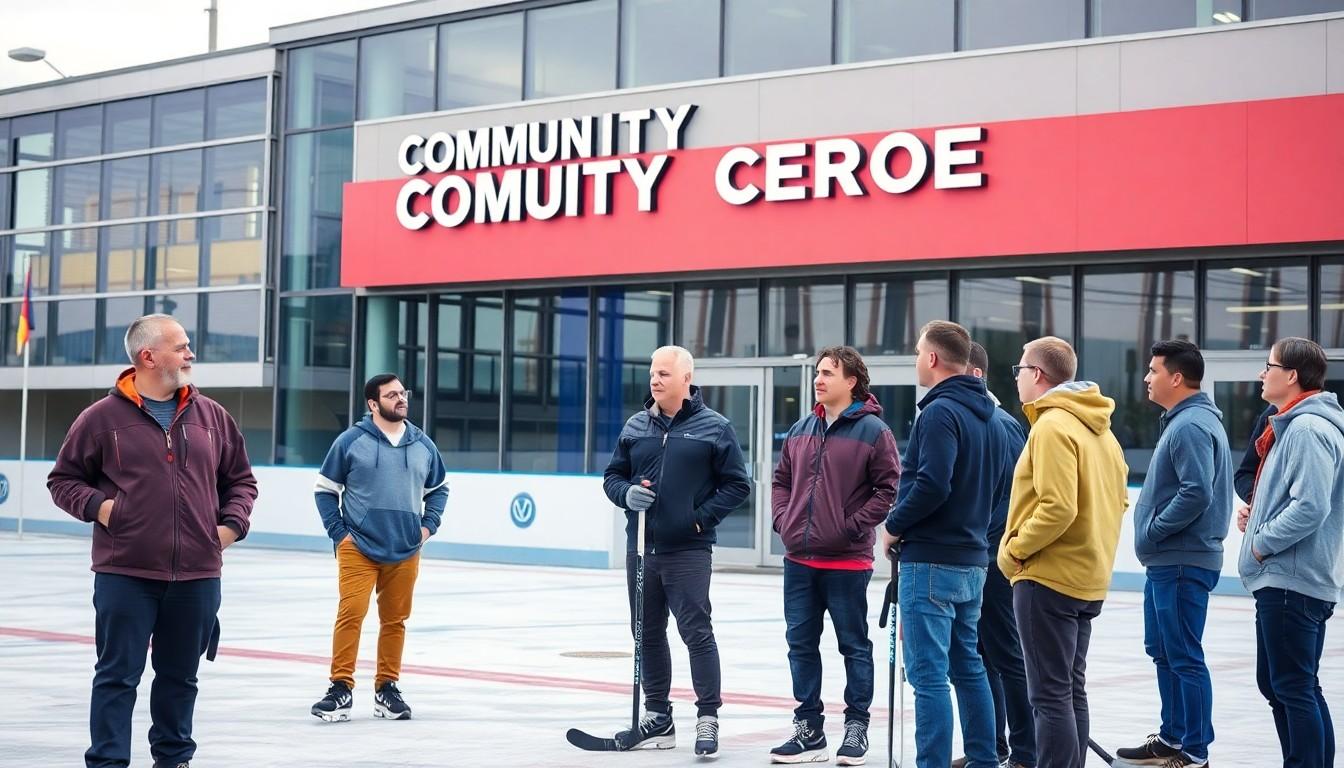
Viewers are turning Heated Rivalry into more than a streaming hit, with queer hockey communities reporting renewed interest in the sport. The series has offered rare, joyful visibility for gay athletes, while also reopening painful conversations about secrecy, coming out and who gets to feel safe on the ice.
Essential Takeaways
- A powerful scene: The season’s televised kiss sparked viewing parties and encouraged some fans to attend hockey matches.
- Real-world impact: Vancouver’s LGBTQ+ hockey association saw a surge of interest from people wanting to return to the sport or try it for the first time.
- Representation matters: The drama has made queer athletes feel seen in a traditionally hypermasculine sporting culture.
- Not everyone found it easy: For some former players, its themes of secrecy and exposure brought difficult memories back.
- The story continues: Season two is already fuelling fresh interest in the series and its wider cultural impact.
Heated Rivalry has moved far beyond the screen
The most striking thing about Heated Rivalry isn't simply that it features two gay professional hockey players. It's that the show lets them experience desire, tenderness and happiness without treating queer love as a tragic subplot.
That combination has proved unusually powerful. As international coverage, including reporting from Cadena SER, has highlighted, audiences have embraced the series as a rare source of queer representation in elite sport. For viewers used to seeing LGBTQ+ athletes pushed to the margins, the emotional release can feel almost startling.
The response has been especially visible around the episode in which Scott Hunter brings Kip from the stands to the ice after winning the Cup. Their kiss, broadcast to a huge audience, became a shared viewing moment rather than just another romantic scene.
One kiss put hockey on new viewers' radars
According to reporting about the LGBTQ+ hockey community, viewing parties around that episode prompted some gay men to buy tickets to their first NHL games. Others began watching hockey despite knowing little about the rules, teams or traditions.
That enthusiasm has had a practical effect. The Cutting Edges, Vancouver's LGBTQ+ hockey association, reportedly experienced a sharp rise in interest from people hoping to play again or pick up a stick for the first time. Suddenly, the sport looked less like a locked room and more like a place where they might belong.
It helps that the series makes hockey feel tactile and atmospheric. The cold rink, the scrape of blades and the roar from the crowd all sit alongside quiet moments of vulnerability. Your first hockey match may still involve a little rulebook confusion, but the invitation feels clear.
For some viewers, the series helped open a door
Jesse Kortuem's experience shows how fiction can connect with a much larger personal journey. The Minnesota native had left hockey as a teenager and later played competitively while closeted, before finding his way back through queer tournaments and welcoming teams.
Coverage of his story described Heated Rivalry as one factor in his decision to come out. A social media post about that experience spread widely and eventually led to an appearance on The Drew Barrymore Show, where Hudson Williams, who plays Shane Hollander, sent a message of congratulations.
Williams has also said that closeted professional athletes, including hockey players, contacted him after seeing the show. That doesn't mean a television drama can solve the problem of homophobia in sport, but it does show why visibility can matter. Sometimes a fictional character becomes the first person who makes a frightening future look possible.
Representation can comfort, but it can also sting
The series hasn't landed gently for everyone. Former Ontario Hockey League and minor-league goaltender Brock McGillis reportedly experienced a panic attack while watching the opening episode, as its themes recalled the fear of being exposed during his own playing career.
He later came to appreciate the show, but his reaction is an important counterpoint to the celebration. A story about secret relationships and hidden identities may feel liberating to one viewer and painfully familiar to another. Both responses can be true.
The wider conversation has also included criticism of the sex scenes and debate over the real-life sexual identities of the actors. Those arguments can distract from the central issue: queer audiences want stories that feel emotionally credible, but they also deserve the freedom to enjoy fiction without having performers' private lives turned into a public test.
What happens when the hockey romance returns?
Season two is already attracting attention, with Marie Claire reporting on its development and the show's continuing cultural momentum. Meanwhile, viewing guides from outlets such as Tom's Guide suggest the series has become a genuine appointment for international audiences, not merely a niche sports romance.
That reach could help Heated Rivalry push a bigger question into the mainstream. If fans are willing to discover hockey through a queer love story, perhaps sporting institutions should be asking why those stories remain so unusual in the first place.
The show can't make every dressing room safe, and it won't persuade every closeted athlete to come out. But it can make the ice look less lonely. For many viewers, that's a meaningful beginning.
It's a small screen story with a surprisingly large invitation: there is room for you in the rink.
Source Reference Map
Story idea inspired by: [1]
Sources by paragraph: