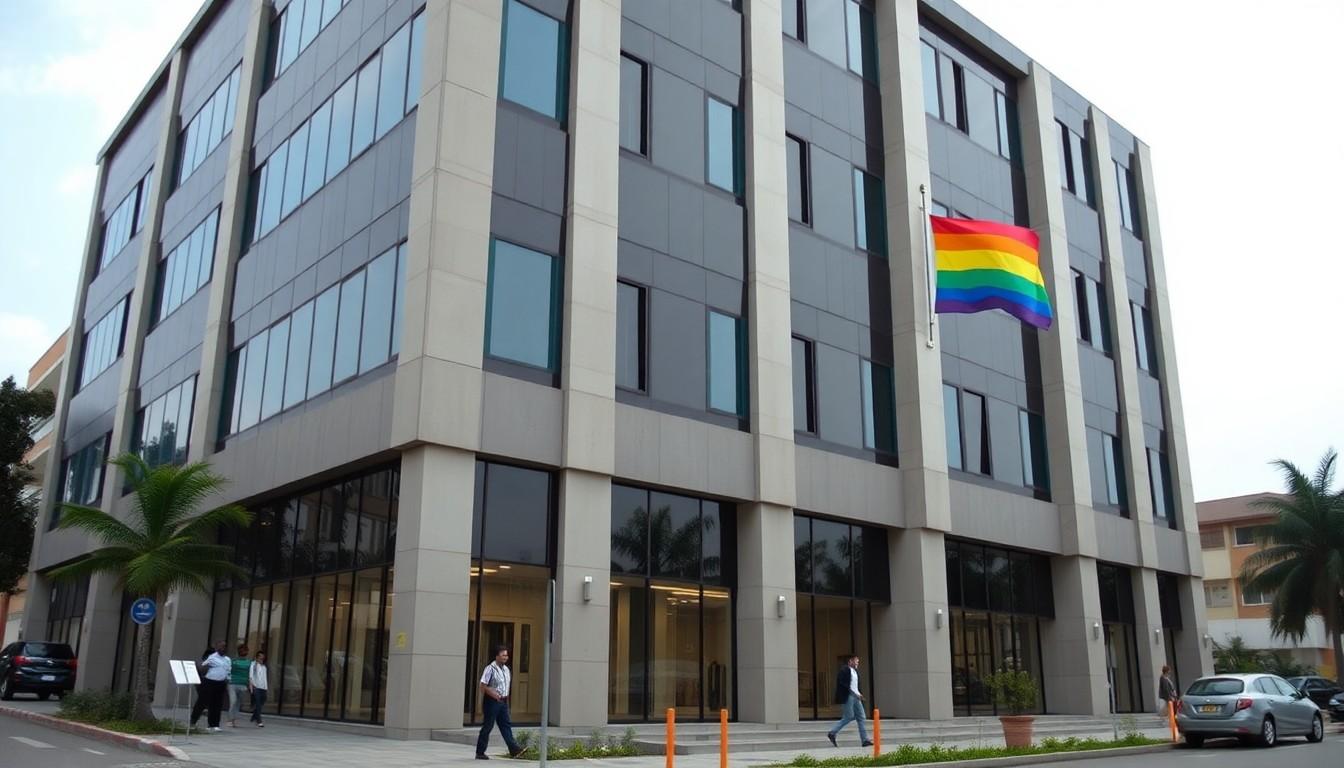
A Nigerian gay couple says alleged threats from relatives, neighbours and colleagues have left them fearing for their safety. Their online appeal for funds to relocate abroad has prompted both offers of support and harsh criticism, highlighting the risks LGBTQ+ people can face in a country where legal protection remains limited.
Essential Takeaways
- The appeal: Uchendu and his boyfriend say they need financial help to leave Nigeria.
- The alleged danger: They claim relatives, neighbours and workplace contacts have threatened them.
- The online reaction: Responses have ranged from practical offers of help to openly hostile comments.
- The wider context: Human rights organisations have documented discrimination, blackmail and violence affecting LGBTQ+ Nigerians.
- The immediate concern: Sharing a precise location publicly could create additional safety risks.
The couple says staying no longer feels safe
The couple's appeal is stark: they say their relationship has been visible to people around them, but that visibility has now allegedly brought threats from several parts of their lives. They are asking for money and public support so they can relocate outside Nigeria.
Their message has travelled quickly online, where sympathy and suspicion have collided. Some commenters urged them to share their location so assistance could be arranged, while others dismissed the request as an attempt to secure a route abroad. The contrast is uncomfortable, but revealing.
Nigeria's LGBTQ+ community faces a difficult legal climate
The reported appeal sits within a wider pattern of pressure affecting LGBTQ+ people in Nigeria. Human Rights Watch has described how the country's same-sex marriage prohibition law has contributed to fear, discrimination and barriers to reporting abuse, according to its research.
The Guardian has also reported cases involving blackmail, harassment and persecution. For people already worried about being identified, seeking help can become a dangerous balancing act: they need to be visible enough to find support, but not so visible that more people can target them.
Online support can help, but public exposure carries risks
Fundraising pages and support campaigns have previously been used to help LGBTQ+ and transgender people in Nigeria with housing, relocation and emergency needs. GiveSendGo and GoFundMe listings show how diaspora networks and international supporters sometimes step in when local options feel unsafe.
Still, a public appeal isn't a complete safety plan. Publishing a location, workplace details or identifying information may expose someone to further harassment. A safer response would usually involve trusted advocates, secure communication and an organisation experienced in emergency protection or relocation.
The reactions show why the appeal matters
The comments under the couple's post range from concern to ridicule and direct hostility. Some users offered practical assistance, but others accused the pair of inventing a crisis or simply wanting to "japa", a Nigerian slang term for leaving the country.
That mix is more than an argument about one fundraising request. It shows how quickly a plea for help can become a public trial, particularly when sexuality, migration and money are involved. Africa Check-style verification and established LGBTQ+ support groups can help donors assess claims without amplifying private details.
What could happen next?
At the time of the report, the couple's public appeal had generated attention but no independently verified account of their exact circumstances or location. That means potential supporters should be careful, while avoiding the assumption that uncertainty proves the story is false.
For anyone trying to assist, the most useful first step may be connecting the couple with a reputable protection, legal or refugee-support organisation. Financial help can matter, but safety planning, confidentiality and reliable documentation matter too. For people in danger, leaving home is rarely as simple as booking a flight.
Small acts of careful support can be safer than a rush to share the story.
Source Reference Map
Story idea inspired by: [1]
Sources by paragraph:
- Paragraph 1: [2], [4]
- Paragraph 2: [3], [5]
- Paragraph 3: [4], [5]
- Paragraph 4: [6], [7]
- Paragraph 5: [2], [3]
- Paragraph 6: [4], [5]
- Paragraph 7: [6], [7]
- Paragraph 8: [2], [5]
- Paragraph 9: [3], [4]
- Paragraph 10: [5], [6]
- Paragraph 11: [2], [3]
- Paragraph 12: [4], [5]
- Paragraph 13: [6], [7]
- Paragraph 14: [2], [5]
- Paragraph 15: [3], [4]
- Paragraph 16: [5], [6]
- Paragraph 17: [2], [7]
- Paragraph 18: [3], [5]
- Paragraph 19: [4], [6]
- Paragraph 20: [2], [7]