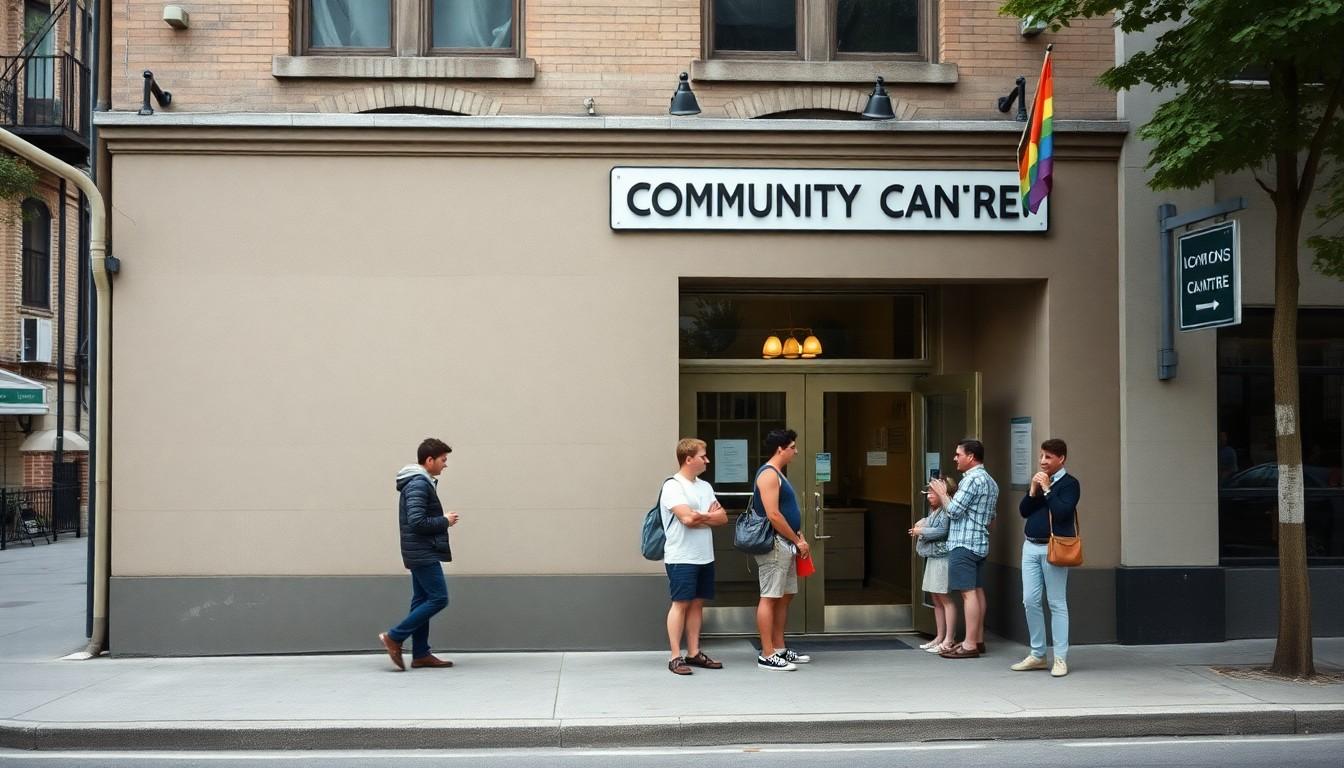
Advocacy groups supporting LGBTQ and intersex people across 94 countries are reporting sharp funding losses since January 2025, putting vital services, staff and safe spaces under pressure. A new Outright International report shows why the crisis matters, from emergency support to HIV prevention and community centres.
Essential takeaways
- Nine in ten affected: 90% of surveyed LGBTQ and intersex organisations said they had lost funding since January 2025.
- Deep budget cuts: Almost half lost more than half their total budget, while three quarters lost over a quarter.
- US support dominated the losses: More than half pointed to funding linked to the US government, including USAID, PEPFAR and the State Department.
- Services are shrinking: Groups have reported closing offices, reducing staff, limiting advice and ending emergency relocation support.
- A new response is under way: Outright International has launched a $10 million campaign aimed at rebuilding support for LGBTQ and intersex movements.
Funding cuts are hitting organisations at their most vulnerable point
The figures are stark: 229 LGBTQ and intersex rights groups across 94 countries responded to Outright International's survey, and 90% said their funding had fallen since January 2025. For many, this isn't a modest belt-tightening exercise. It's the difference between maintaining a trusted service and switching off the lights.
Almost half of respondents said they'd lost more than half of their budgets, according to Outright International's research. Three quarters reported losing more than a quarter of their funding, leaving organisations to make painful choices about people, offices and programmes.
The pressure is especially severe because these groups often provide support that can't easily be replaced. A legal consultation, a safe referral or an emergency relocation may look like a small intervention on paper, but for someone facing violence, it can be life-changing.
Why US aid cuts have had such a wide reach
The report identifies US government-linked funding as the most frequently cited source of lost support. Respondents pointed to USAID, PEPFAR and the State Department, following the Trump-Vance administration's sweeping changes to overseas aid.
Outright International says the disruption also affected the Global Equality Fund, a public-private partnership launched by the State Department in 2011. The fund distributed more than $100 million during its first decade to LGBTQ and intersex organisations and human rights defenders in more than 100 countries.
What began as a funding freeze has therefore spread well beyond a single budget line. Outright International says other institutional, corporate and philanthropic donors have also delayed, reduced or withdrawn support, often with little public explanation.
The real-world cost is showing up in lost services
In Iraq, funding reductions forced IraQueer to stop safety and security training for activists and LGBTQ organisations. In Uganda, an LGBTQ-led refugee group lost emergency relocation support for people facing immediate danger.
Elsewhere, the impact is more visible still. An intersex-led organisation in West Africa could no longer maintain its office or pay staff, while an Ecuadorian community centre that had operated for a decade was forced to close.
The consequences aren't limited to advocacy work. In Tonga, the Tonga Leitis Association said reduced funding meant fewer activities and weakened the prevention infrastructure behind the country's low HIV rate. In Ukraine, a group described cutting specialist hours and replacing ongoing help with one-off consultations.
That shift from sustained support to crisis triage matters. Organisations may still answer the phone, but fewer people can be helped, and the help may arrive later or stop sooner.
A broader squeeze on LGBTQ and intersex rights
US funding cuts have landed amid a difficult political climate. Outright International points to democratic decline, anti-NGO laws, rising violence and organised attacks on trans and intersex rights as growing threats.
The organisation also notes that global funding for LGBTQ rights had already begun falling before the current US administration took office. Human Rights Funders Network projections cited in the report suggest rights-focused development assistance could drop by between $1.4 billion and $1.9 billion a year by 2026.
That makes the current crisis feel less like an isolated shock and more like a harsh acceleration of an existing trend. When public funding retreats, hostile political movements often gain room to manoeuvre, while local groups are left trying to do more with less.
Can new funding rebuild the safety net?
Outright International has launched its Funding Our Freedom campaign, with a $10 million target to support LGBTQ and intersex movements worldwide. The appeal is intended to help organisations keep staff, maintain services and respond to urgent threats.
Its broader message is that these groups haven't disappeared or stopped working. They've adapted, absorbed costs and continued serving communities under extraordinary pressure, often quietly and without the financial cushion that larger institutions take for granted.
The challenge now is turning concern into dependable, multi-year support. Short-term grants can help plug an immediate gap, but local organisations need stability to train staff, protect people and plan beyond the next emergency.
Why this matters beyond the headlines
Funding reports can sound abstract until a closed centre, unanswered message or cancelled safety workshop puts the numbers into human terms. For communities already facing discrimination or violence, a lost organisation can mean losing one of the few places where help feels safe.
Outright International's findings make the stakes clear: protecting LGBTQ and intersex rights depends not only on laws and public statements, but on the everyday infrastructure that helps people survive and organise.
Consistent funding won't solve every threat, but without it, even resilient movements are forced to spend precious energy simply staying open.
It's a global funding crisis, but reliable support can still keep vital doors open.
Source Reference Map
Story idea inspired by: [1]
Sources by paragraph:
- Paragraph 1: [2], [3]
- Paragraph 2: [5], [6]
- Paragraph 3: [4], [7]
- Paragraph 4: [3], [5]
- Paragraph 5: [6], [7]
- Paragraph 6: [3], [5]
- Paragraph 7: [4], [6]
- Paragraph 8: [5], [7]
- Paragraph 9: [3], [6]
- Paragraph 10: [2], [4]
- Paragraph 11: [2], [5]
- Paragraph 12: [3], [7]
- Paragraph 13: [4], [5]
- Paragraph 14: [2], [3]