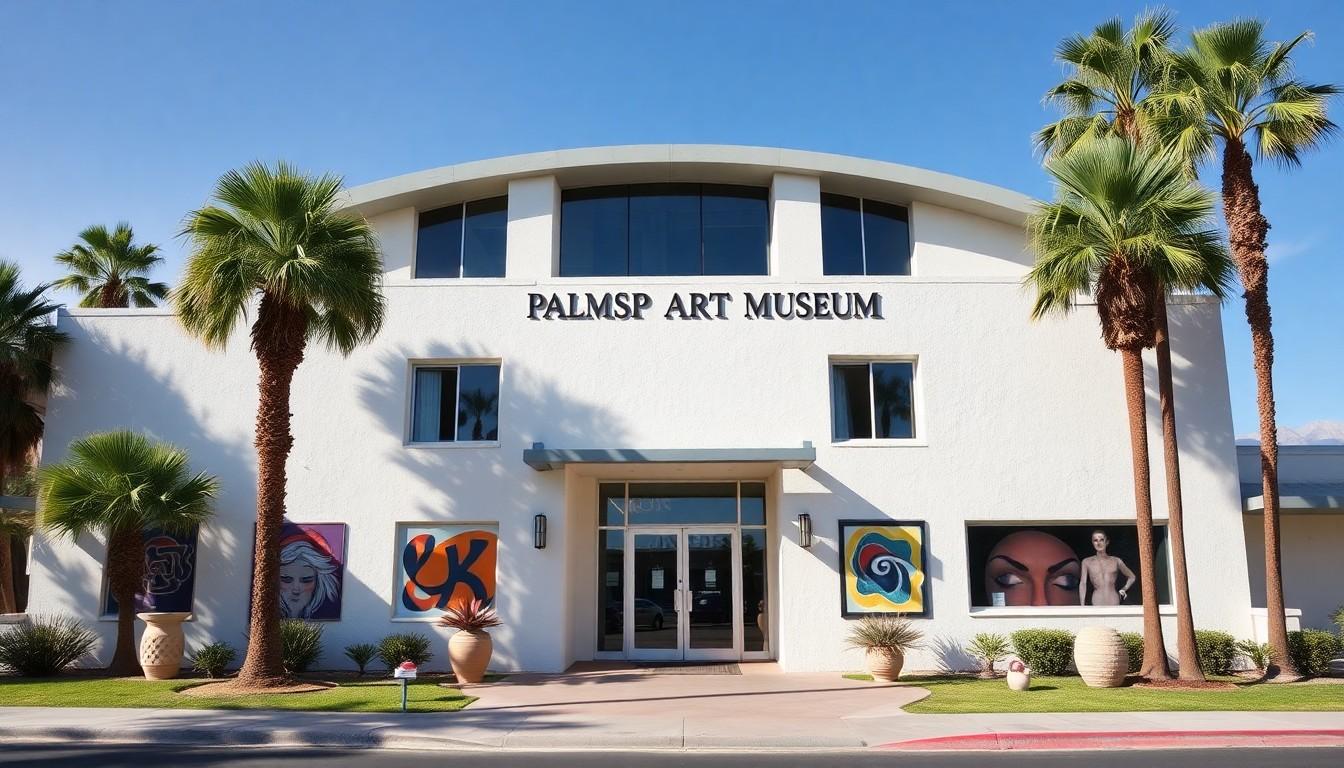
Visitors, gardeners and curious nature lovers are taking a closer look at sacred datura, a striking desert flower with a dangerous reputation, alongside a growing interest in queer art and alternative spiritualities. From Southern California gardens to museum galleries, the plant offers a vivid way into conversations about ecology, identity, ritual and creative resistance.
Essential Takeaways
- Sacred datura is dramatic but toxic: Its trumpet-shaped blooms are beautiful, yet every part of the plant can be harmful if swallowed.
- The flowers work at night: Pale, fragrant blossoms attract night-flying pollinators, including sphinx moths.
- It belongs to the desert landscape: Datura wrightii is native to parts of the American Southwest and Mexico, where it can thrive in dry conditions.
- Art is widening the conversation: Palm Springs Museum's exhibition connects queer identity, magic, spirituality and environmental justice.
- Admire it carefully: Don't eat, brew or handle sacred datura casually, and keep it away from children and pets.
A desert flower with serious mystique
Sacred datura has the sort of presence that stops a garden visitor in their tracks. Its large white flowers open into the evening, often releasing a sweet scent as the desert cools, then fold away after their nocturnal performance.
The plant's beauty, however, comes with a firm warning label. The National Park Service describes Datura wrightii as a poisonous member of the nightshade family, and medical guidance warns that ingestion can cause severe confusion, hallucinations, rapid heartbeat and other dangerous effects. In other words, this isn't a homespun herbal remedy to experiment with.
That tension between allure and risk is part of the plant's cultural power. It looks soft and celestial, but its chemistry demands respect. Nature, as ever, doesn't always separate the beautiful from the hazardous.
Why sacred datura belongs to the night
Datura wrightii is especially suited to warm, dry regions across the Southwest. Information from Arches and Joshua Tree national parks notes that the plant can appear in sandy or disturbed ground, where its broad leaves and imposing flowers make a sudden statement against a sparse landscape.
Its timing is equally distinctive. The trumpet-like blooms open after dark, when moths and other night visitors are most active. Sphinx moths, with their hovering flight and long feeding tubes, are particularly well matched to the flowers' deep throats.
By morning, the blooms may look tired or collapsed. That short cycle gives the plant an almost theatrical quality, as if the garden has staged a private performance while everyone was asleep.
The beauty needs a safety boundary
For anyone growing or encountering sacred datura, the first rule is simple: treat it as poisonous from seed to flower. Don't ingest any part of it, don't make teas or tinctures, and wash your hands after handling it. Children and pets should be kept well away, particularly because the spiky seed capsules can be tempting to investigate.
A garden label is a sensible addition, especially in shared spaces. It can also help visitors understand why the plant shouldn't be picked. If someone may have swallowed datura, seek urgent medical advice immediately rather than waiting for symptoms to develop.
This is one of those plants best enjoyed visually. Its soft petals, pale colour and moth-friendly shape are more than enough reward without turning the flower into an experiment.
Queer art finds a home in the desert
That mixture of danger, transformation and hidden life also runs through A Queer Arcana: Art, Magic, and Spirit at the Palm Springs Art Museum. The exhibition brings together LGBTQ+ artists whose work explores ritual, cosmic imagery, bodies, landscapes and forms of spirituality outside the mainstream.
The museum's description places the show within a longer history of queer artists using spiritual practice to build community and imagine different ways of living. Across paintings, textiles, photography, performance and other media, the exhibition treats magic less as escapism than as a language for survival and belonging.
The setting matters, too. The deserts of California and the wider Southwest have long attracted artists, seekers and outsiders drawn to wide skies, unusual geology and a sense of distance from conventional life. Here, those landscapes become active participants rather than simple backdrops.
When ritual meets environmental justice
One of the exhibition's most compelling ideas is that ritual can address real-world harm. The Palm Springs Art Museum highlights work by Edgar Fabian Frias, whose practice combines queer identity, Indigenous heritage, performance and environmental activism.
His ritual-based project responding to pollution near a Southern California quarry turns art into a public act of attention. Instead of allowing contamination and health inequality to fade into technical language, the work gives them sound, colour, movement and communal presence.
That approach feels especially relevant as communities confront wildfires, industrial pollution, expanding infrastructure and the environmental cost of new technology. Whether or not you share the spirituality, the underlying message is practical: noticing harm is an important first step towards challenging it.
A gentler way to look at magic
The broader appeal of this work may lie in its refusal to draw a hard line between nature, art and personal meaning. A night-blooming flower, a memorial for a dead animal, a tarot card or a museum installation can all become ways of paying attention.
That doesn't mean every ritual needs to be grand. A quiet walk, a garden observation or a moment spent acknowledging a damaged landscape can be meaningful without borrowing beliefs that aren't your own. The point is connection, not performance.
Sacred datura makes a fitting emblem for that idea. It invites wonder, but it also insists on boundaries. Its flowers are open and luminous, yet the plant asks us to look without consuming, and to admire without pretending that nature is harmless.
A little caution can make the wonder last longer.
Source Reference Map
Story idea inspired by: [1]
Sources by paragraph: