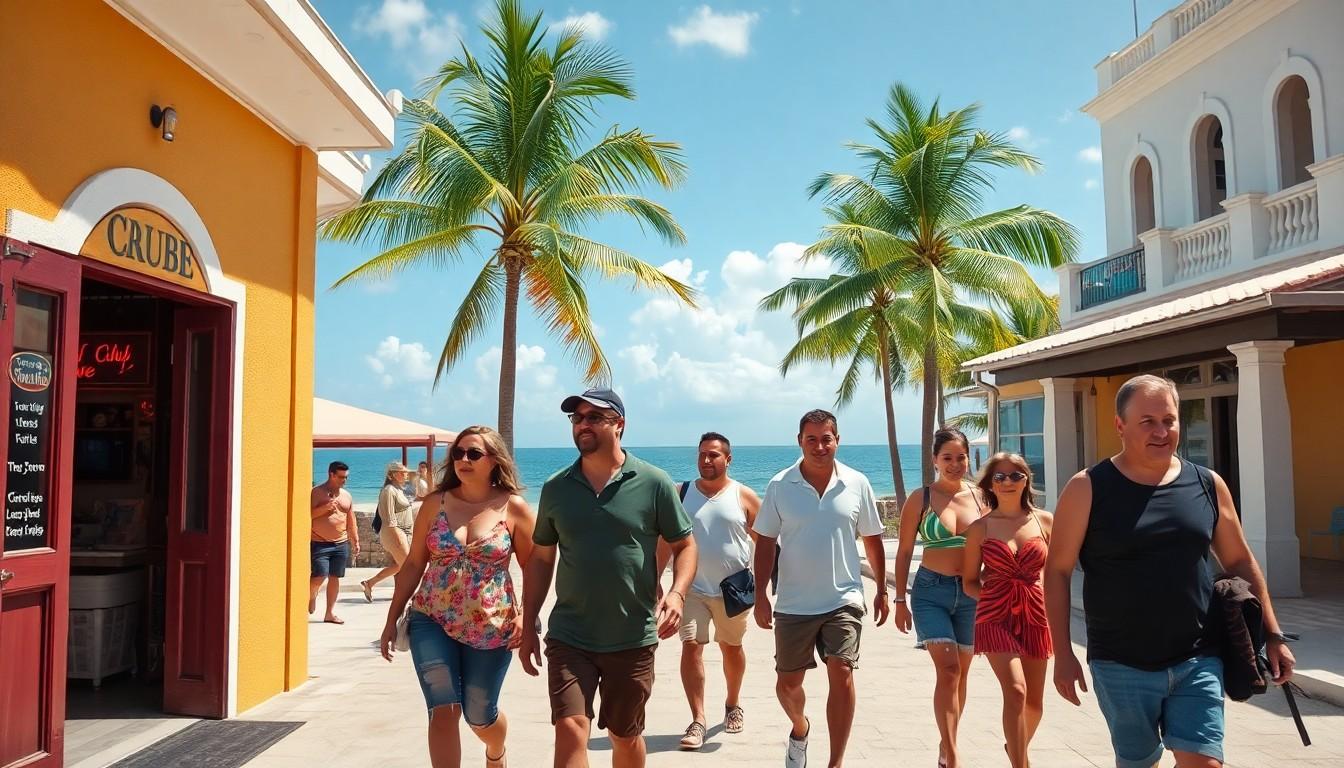
Travellers are discovering Aruba as a sunny LGBTQ+ destination where beach days, cultural celebrations and open-hearted hospitality come together. The Dutch Caribbean island’s marriage-equality milestone, welcoming local voices and year-round warmth make it an appealing choice for couples and solo visitors seeking a relaxed holiday without leaving part of themselves at home.
Essential Takeaways
- Marriage equality matters: Aruba’s legal landscape shifted after a 2024 Dutch Supreme Court ruling recognised access to same-sex marriage.
- A local welcome: Singer and wedding officiant Edjean Semeleer says Aruba’s multicultural character helps queer visitors feel visible and accepted.
- Plenty to do: Beaches, Carnival, local arts and drag shows offer more than the usual resort routine.
- Good year-round weather: Aruba sits outside the main hurricane belt, making its climate a strong draw in every season.
- Choose experiences with care: Look for locally rooted tours, LGBTQ+-friendly businesses and clear, current legal guidance when planning a wedding.
Aruba offers more than beautiful beaches
The first impression is almost comically postcard-perfect: pale sand, bright turquoise water and sunshine that seems determined to stay for dinner. Yet for LGBTQ+ travellers, the real luxury is being able to enjoy that scenery without constantly second-guessing whether public affection will attract unwanted attention.
Aruba’s multicultural outlook is a major part of its appeal. Travel information from GayOut describes the island as one of the more welcoming options in the Caribbean for LGBTQ+ visitors, while its established tourism industry means international travellers are familiar rather than unusual guests.
That doesn't mean every destination should be treated casually or without research. Laws, attitudes and local experiences can vary, so it’s still sensible to check current advice before travelling. But Aruba’s direction of travel is encouraging, and that matters in a region where LGBTQ+ rights have often developed unevenly.
Marriage equality changed the conversation
A crucial moment arrived in July 2024, when the Dutch Supreme Court upheld the possibility of same-sex marriage in Aruba and Curaçao. The ruling followed legal challenges concerning the islands’ marriage laws and removed a major barrier for same-sex couples seeking legal recognition.
The Aruban government outlined the decision as an opening for marriage equality, while the Dutch Supreme Court confirmed that excluding same-sex couples could not stand under the applicable legal framework. Human Rights Caribbean and Metro Weekly both reported the ruling as a significant development for LGBTQ+ rights across the Dutch Caribbean.
For visitors, the change is practical as well as symbolic. Couples planning a destination wedding can now look beyond ceremony photos and sunset backdrops, and consider whether the location recognises their relationship in law. That extra reassurance can make a romantic trip feel considerably less complicated.
A destination wedding with local soul
Edjean Semeleer, an Aruban singer, wedding officiant and co-founder of the Go Cultura Foundation, has seen the island’s social landscape shift from close quarters. In an interview with Attitude, he described growing up as the island changed and becoming more comfortable living openly as a public figure.
His approach to ceremonies is especially rooted in place. Rather than treating Aruba as a blank tropical canvas, he brings in local customs and the sea itself, describing the ocean as a living witness. It’s a lovely idea, and a useful reminder that the best destination weddings usually feel connected to their setting rather than copied from a brochure.
Couples searching for an LGBTQ+-friendly destination wedding in Aruba should ask venues and officiants specific questions early. Confirm legal requirements, documentation, ceremony arrangements, accessibility, photography permissions and backup plans for hot or windy weather. Aruba’s breeze is wonderfully refreshing, but it can have strong opinions about veils.
Where queer travellers can find community
Aruba’s LGBTQ+ welcome isn't confined to one neighbourhood or a single annual event. According to the destination’s local travel coverage, businesses and organisations often signal support through Pride-related activity, while queer-friendly venues help create more visible spaces for socialising.
Cage Nightclub is highlighted as a popular option, particularly for its Thursday drag shows. Drag can be a brilliant way to experience the island after dark, combining performance, humour and local nightlife rather than simply offering another hotel bar with a different cocktail menu.
During the day, visitors can balance nightlife with quieter experiences. Explore beaches and natural landscapes, watch locals gather for dominoes, seek out cultural projects, or book activities that introduce the island’s music, food and heritage. A welcoming holiday feels richer when it includes the people and traditions that make the place distinctive.
When is the best time to visit Aruba?
Aruba’s location outside the main hurricane belt gives it a strong advantage for holiday planning. The island can be visited throughout the year, although different seasons bring different moods and events.
January to March is particularly appealing for visitors who want to combine warm weather with Carnival energy. The months afterwards bring further celebrations and cultural activity, while the end-of-year period adds festive events and a lively holiday atmosphere.
For a quieter break, consider travelling outside major celebrations and booking popular hotels or wedding venues well ahead during peak periods. Whatever the month, pack sun protection, light clothing and something smart for evenings. The island may be relaxed, but you’ll still want an outfit that can survive a sunset dinner without looking like it has just left the beach.
Aruba won't erase every concern LGBTQ+ travellers may have about visiting the Caribbean, and no destination should promise that. But its legal progress, multicultural identity and visible social welcome create a persuasive combination: beautiful surroundings with a growing sense of belonging.
For an LGBTQ+ holiday with sunshine, culture and meaningful legal progress, Aruba is well worth a closer look.
Source Reference Map
Story idea inspired by: [1]
Sources by paragraph: