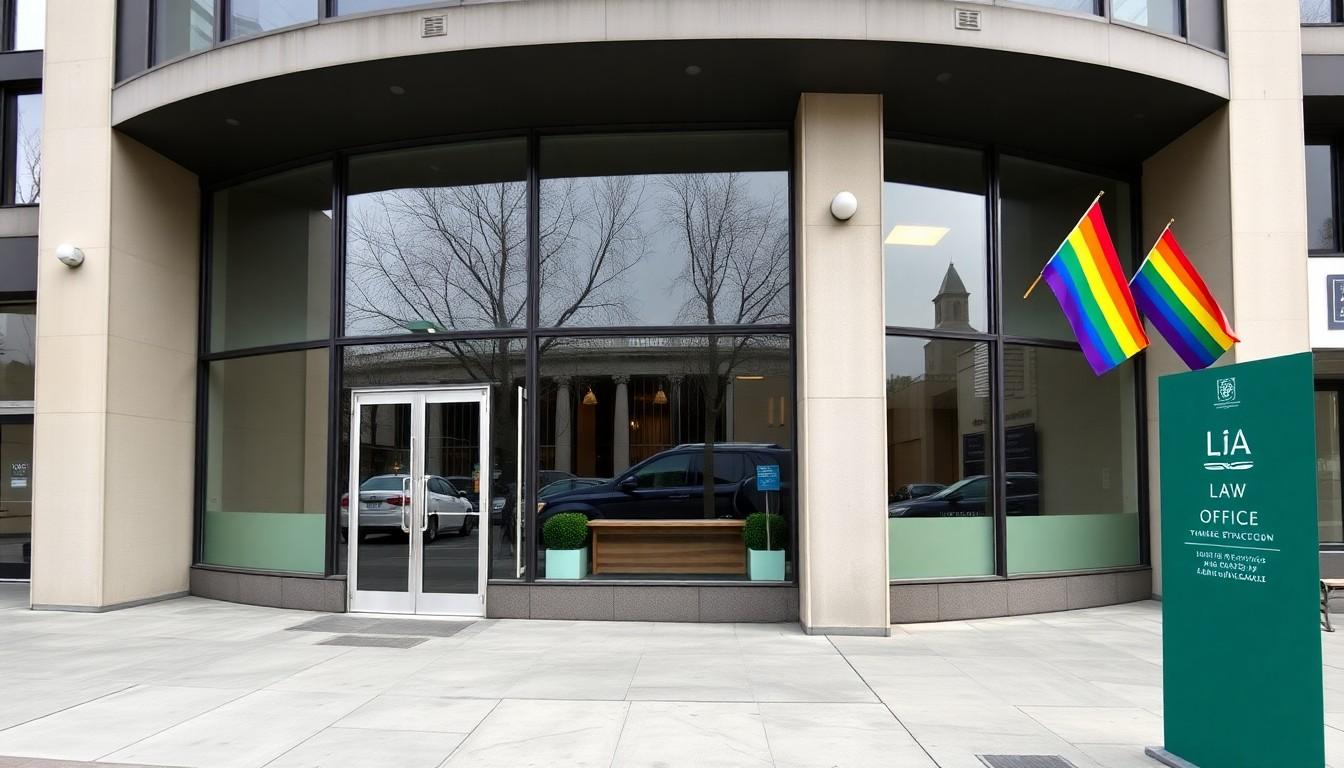
Same-sex divorce in California can involve more than dividing today’s assets. San Francisco couples may also need to untangle domestic partnerships, pre-marriage finances and parental rights, making specialist advice especially valuable. Here’s how to compare LGBTQ+ divorce lawyers, understand the key legal issues and find the right support for your circumstances.
Essential Takeaways
- The timeline matters: Years spent together before marriage or registration can affect property and support questions.
- Old partnerships may need attention: A domestic partnership doesn’t necessarily disappear when a couple later marries.
- Parentage can shape custody: Second-parent adoption or a parentage order may be crucial for a non-biological parent.
- Costs vary widely: Straightforward cases may cost thousands, while contested, high-asset disputes can reach five or six figures.
- The right lawyer depends on the case: Digital pricing, courtroom depth, mediation and local LGBTQ+ experience all suit different needs.
Same-sex divorce can involve more than the marriage certificate
At first glance, an LGBTQ+ divorce in California follows the same broad framework as any other divorce. The court deals with property, debts, support and children, while California’s no-fault system means couples don’t need to prove misconduct to end the marriage.
The complication is often historical. A couple may have lived together for years before same-sex marriage was recognised, registered as domestic partners, married later and built businesses, homes or pensions across several legal periods. According to Divorce.Law’s California guidance, that history can affect how assets and obligations are classified. [2]
That’s why an experienced LGBTQ divorce lawyer in San Francisco will usually ask about the whole relationship timeline, not just the wedding date. It may feel like an old family-history exercise, but those dates can carry serious financial weight.
Why domestic partnerships and pre-marriage assets matter
California is a community-property state. In broad terms, assets and debts acquired during a marriage or registered domestic partnership are generally divided equally, while separate property normally remains with the original owner.
The tricky bit is tracing. Money may have moved between accounts, a property may have risen in value over several legal periods, or one partner may have contributed unpaid work while the other built a business. Legal guidance from family-law specialists, including Van Voorhis & Sosna, highlights the importance of examining pre-marriage cohabitation, partnership registration and later marriage together. [6]
Couples who registered as domestic partners and subsequently married may also need advice on ending both legal relationships. It’s a detail that’s easy to overlook, particularly when the marriage feels like it replaced the earlier registration. A lawyer should explain whether a dual dissolution is required and how that could affect property, support and tax planning.
Parentage can be the most emotional issue
Property disputes are stressful, but questions about children can feel even more personal. If one partner is the biological or adoptive parent and the other isn’t, the non-biological parent’s legal position may depend on a parentage judgment or completed second-parent adoption.
That doesn’t mean every non-biological parent is without rights. But the paperwork, birth records, adoption history and day-to-day caregiving evidence can all matter. Fenchel Family Law identifies parentage disputes and adoption-related issues as specific concerns for LGBTQ+ families, rather than treating them as an afterthought to the divorce. [5]
California Courts’ self-help information also makes clear that custody and visitation decisions focus on the child’s best interests. [3] In practical terms, gather adoption orders, parentage documents, school and medical records, and a clear account of each parent’s involvement before the first consultation. Your dog may be the only family member who doesn’t need paperwork.
How San Francisco couples can compare lawyers
There’s no single best firm for every family. A high-asset case involving a business, executive compensation or disputed parentage needs a different level of expertise from an amicable separation that may be resolved through mediation.
Nachlis, Cohade & Lopez-Whitaker and Van Voorhis & Sosna stand out for specialist credentials and detailed discussion of LGBTQ+ family-law issues, including property tracing, parentage and domestic-partnership dissolution. Their approach may suit couples who want established local expertise and are prepared for a traditional, lawyer-led process. [6] [4]
Other firms offer a warmer boutique style or a broader service mix. Fenchel Family Law focuses on LGBTQ+ family matters alongside divorce, custody, support and adoption concerns, while JKZ LLP offers a wider California footprint. Meanwhile, a digital-first service such as Marble Law may appeal to couples who want staged pricing, online access and clearer cost visibility.
Before hiring anyone, ask how many same-sex divorces or domestic-partnership dissolutions they’ve handled, whether they’ve dealt with second-parent adoption, how communication is billed and who will actually run the case. The first meeting should leave you clearer, not more bewildered.
Fees, timing and the questions worth asking
Divorce costs depend heavily on conflict. An uncontested case may be resolved for a few thousand pounds equivalent in legal fees, while a contested dispute involving children, property or business interests can climb dramatically. Court filing fees, expert reports, financial tracing and repeated hearings can all add to the bill.
California Courts explains that divorce has a mandatory waiting period, so even an agreed case can’t be completed overnight. [3] That makes early financial preparation worthwhile. Collect bank statements, mortgage records, tax returns, pension details, business documents and evidence of major purchases before negotiations begin.
Ask whether the lawyer bills hourly, requires a retainer or offers fixed prices for particular stages. Also ask what happens if the case becomes contested. A low initial estimate is less useful than a fee structure you can actually understand.
Most importantly, don’t hide assets or make informal financial promises before taking advice. California requires financial disclosure, and a rushed agreement can be much harder to repair later. Specialist legal guidance from LGBTQ-focused practices repeatedly points couples towards early, complete disclosure and careful attention to the relationship’s full legal history. [2] [4]
Finding the right fit for your family
The best LGBTQ divorce lawyer in San Francisco for one couple may be entirely wrong for another. A courtroom-focused specialist could be essential for a bitter custody or business dispute, while a mediator may be more suitable when both partners are communicating well.
Location matters less than relevant experience, although couples who want face-to-face meetings may prefer a San Francisco office. Szeto-Wong Law, for example, serves Bay Area clients from outside the city and combines family-law advice with a broader civil-rights perspective. [4]
A good first call should cover the legal timeline, children, property, likely points of disagreement, fees and communication. If the lawyer listens carefully and explains the next steps in ordinary language, that’s a promising start. Divorce is still difficult, but the right adviser can make the path feel far less foggy.
It's a small but important step towards a safer, more manageable separation.
Source Reference Map
Story idea inspired by: [1]
Sources by paragraph: