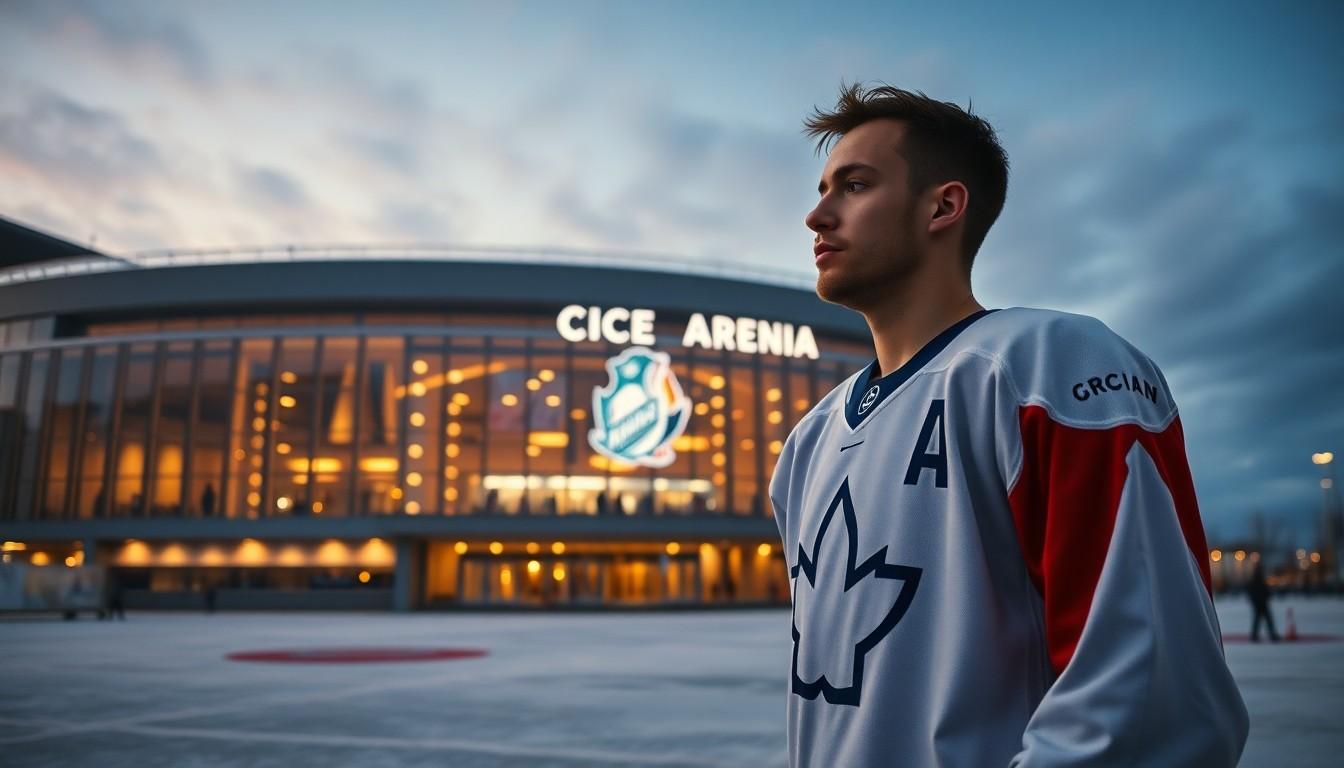
Viewers are embracing Heated Rivalry as a bold sports romance that brings intimate queer storytelling into mainstream drama. Vogue Japan places the series in conversation with Looking and Queer as Folk, while its hockey setting highlights both the excitement of representation and the unfinished work facing LGBTQ+ players in professional sport.
Essential Takeaways
- A genre shift: The series connects frank queer intimacy with the broad appeal of romantic drama.
- A familiar lineage: Looking and Queer as Folk helped establish more everyday, sexually open gay storytelling on television.
- Sport remains complicated: Elite ice hockey has made progress on inclusion, but visible LGBTQ+ representation among active top-level players remains rare.
- The setting matters: Professional hockey brings secrecy, pressure and public identity into the romance.
- The wider picture is mixed: Greater visibility exists alongside political and social setbacks for LGBTQ+ communities.
Heated Rivalry takes queer romance into the mainstream
The striking thing about Heated Rivalry isn't simply that it features two men falling for each other. Television has been telling queer stories for decades. Its sharper move is to place candid, emotionally grounded intimacy inside the machinery of a glossy, high-stakes sports romance.
That combination gives the series an unusually wide runway. As Vogue Japan observes, dramas such as Looking and Queer as Folk treated sex between men as part of ordinary adult life, rather than tidying it away for a cautious audience. Heated Rivalry builds on that tradition, but links it to the instantly recognisable pleasures of romance: attraction, rivalry, longing and the delicious frustration of two people who can't quite stay apart.
The result is a show that can feel both intimate and expansive. One moment is close and vulnerable; the next is charged with the noise, speed and spectacle of professional hockey.
From Queer as Folk to Looking, the groundwork was already there
Queer as Folk helped establish a template for openly sexual, contemporary gay drama. The UK original ran from 1999 to 2000, while its American adaptation continued from 2000 to 2005, giving the format a much larger international footprint. Reference guides and fan archives alike record the show's importance in making queer characters central, messy and unapologetically adult.
Looking, which ran from 2014 to 2016, offered a quieter and more reflective variation. Its characters navigated sex, friendship, work and uncertainty without being reduced to symbols, a quality that made the series feel close to real life. Rotten Tomatoes, MovieMeter and television reference sources continue to place Queer as Folk within the lineage of influential queer television, while Looking remains a useful comparison for its naturalistic approach.
Heated Rivalry feels like a further evolution rather than a complete break. It keeps the lived-in emotional texture, then adds the clean narrative engine of competitive sport. That's a smart trade: audiences get authenticity, but they also get momentum.
Why the hockey setting adds real tension
Professional sport is an ideal pressure cooker for a secret romance. Players are expected to appear tough, loyal to the team and comfortable within a traditionally masculine culture. Add travel, media attention, sponsorships and constant scrutiny, and private feelings suddenly carry professional consequences.
The series' hockey world therefore isn't just decorative background. The rink, dressing room and press environment all sharpen the central conflict. Every glance can become a risk, while every public display has to be weighed against a career built on control.
That tension also explains why the story matters beyond its fictional couple. According to Vogue Japan, no openly non-heterosexual player has appeared in an official NHL game, and Luke Prokop's 2021 coming-out announcement remains the notable example of an active player in the wider professional development system. The gap between a popular romance on screen and reality on the ice is hard to miss.
Representation has moved forward, but not evenly
Heated Rivalry arrives during a complicated moment for LGBTQ+ visibility. In some places, representation is broader and more commercially welcomed than it was a generation ago. Yet Vogue Japan also points to countries where LGBTQ+ people face intensifying repression, as well as US states that have introduced laws targeting LGBTQ+ rights.
That contradiction gives the series extra weight. A romantic drama can offer pleasure, escape and recognition, but it can't by itself make a workplace safe. In hockey, leagues and teams have backed anti-discrimination initiatives, although meaningful participation and public visibility still appear to be lagging behind the rhetoric.
For viewers, that makes the show more than a fashionable streaming discovery. It becomes a reminder that representation works on two levels: seeing a believable love story can be personally powerful, while the absence of openly queer athletes shows how much remains unresolved.
How to watch it as both romance and social commentary
The best way to approach Heated Rivalry is to enjoy its immediate appeal first. Let the chemistry, competitiveness and emotional push-and-pull do their work. The romance should feel like a romance, not a lecture in sports policy.
Then look at the world surrounding the couple. Who gets to be public? Who has to perform certainty? Which parts of their lives are treated as ordinary, and which are made dangerous by the culture around them? Those questions give the drama a longer afterlife once the episode ends.
It also helps to remember the television history behind it. Fans coming from Queer as Folk may recognise the openness, while viewers who preferred Looking may respond to the quieter emotional detail. Heated Rivalry sits between those traditions, with a sleek sporting surface and a much more vulnerable heart underneath.
For many viewers, that's the real pleasure: a show that feels exciting enough for a broad audience without sanding away the specificity of queer experience.
It's a glossy sports romance with a serious question at its centre: who gets to love openly when the whole world is watching?
Source Reference Map
Story idea inspired by: [1]
Sources by paragraph:
- Paragraph 1: [2], [3])
- Paragraph 2: [4], [5]
- Paragraph 3: [6], [7]
- Paragraph 4: [2], [4]
- Paragraph 5: [3]), [5]
- Paragraph 6: [6], [7]
- Paragraph 7: [2], [3])
- Paragraph 8: [4], [5]
- Paragraph 9: [6], [7]
- Paragraph 10: [2], [4]
- Paragraph 11: [3]), [5]
- Paragraph 12: [6], [7]
- Paragraph 13: [2], [3])
- Paragraph 14: [4], [5]
- Paragraph 15: [6], [7]
- Paragraph 16: [2], [4]
- Paragraph 17: [3]), [5]
- Paragraph 18: [6], [7]