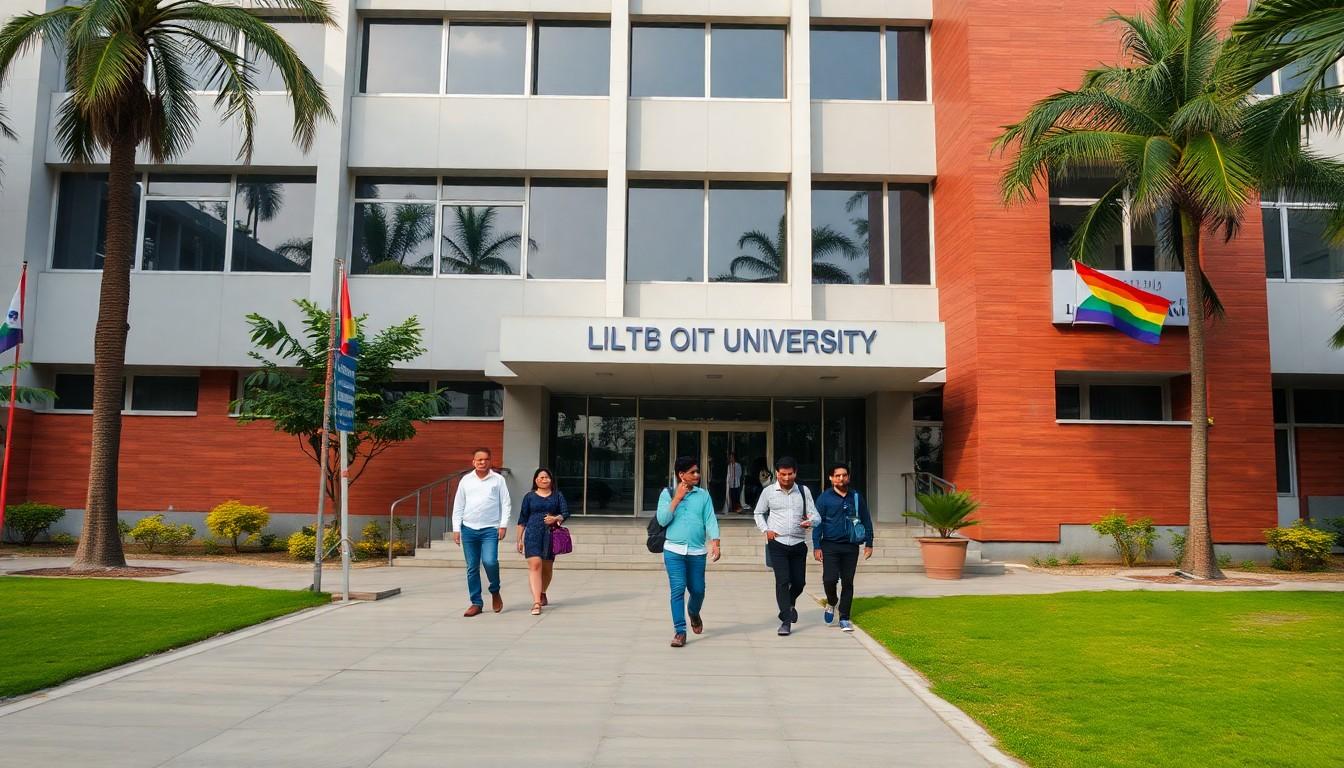
Bangladesh is facing a sharper public debate over LGBT+ rights, as long-standing legal restrictions collide with growing visibility. At the centre is Section 377, a colonial-era offence that can be used against consensual same-sex intimacy. Human rights advocates say its continued presence fuels fear, harassment and inequality, making reform an urgent question of dignity and privacy.
Essential Takeaways
- Colonial law: Section 377 dates from 1860 and criminalises certain sexual acts in broad, outdated language.
- A chilling effect: Rights groups say the provision can enable threats, extortion and harassment, even when prosecutions are uncommon.
- International obligations: Bangladesh has ratified treaties that protect equality, privacy and freedom from discrimination.
- Religion is not a free pass: International human rights bodies say a state religion cannot justify unequal treatment.
- Visibility is growing: Public discussion of queer relationships and gender identity is becoming harder to avoid, although safety remains a serious concern.
A Victorian law is still shaping modern lives
Section 377 is a legal relic with a distinctly modern impact. Introduced under British colonial rule, it refers to “carnal intercourse against the order of nature” and carries severe penalties, including imprisonment and a fine. Its wording is broad enough to create uncertainty, which is often frightening in itself.
The provision is framed around voluntary conduct, rather than sexual violence. That distinction matters because it suggests the law was designed to police intimacy outside a heterosexual model, not simply to protect people from coercion. Research on Section 377 across South Asia has linked the law to wider struggles over privacy, sexuality and equal citizenship.
For LGBT+ Bangladeshis, the practical harm can begin well before a courtroom. The UK government’s country information note describes a difficult environment in which sexual and gender minorities may face discrimination, violence and pressure to conceal their identities. A law does not need to be used constantly to influence behaviour; its very existence can make a threat sound credible.
Why visibility is changing the conversation
Bangladesh’s current debate has been sharpened by events that have pushed LGBT+ relationships and gender identity into public view. Reports of a first publicly discussed transgender marriage, alongside allegations involving university students, have turned issues often kept private into subjects of national argument.
That visibility is double-edged. It can help people challenge silence and find community, but it can also expose individuals to sensational coverage, online abuse and institutional punishment. In a country where social attitudes remain mixed, being seen can feel both liberating and risky.
The Human Dignity Trust records that same-sex sexual activity remains criminalised in Bangladesh, while legal and social protections are limited. The result is an uneasy gap between public discussion and legal security. People may be more visible, yet still lack the confidence that the law will protect them equally.
The human rights case is bigger than one statute
The strongest argument for reform rests on equality, dignity and privacy. Bangladesh is party to the International Covenant on Civil and Political Rights and the International Covenant on Economic, Social and Cultural Rights, both of which contain protections relevant to discrimination and personal autonomy.
International interpretation has also moved beyond the idea that sexual orientation sits outside human rights law. The Human Rights Committee’s reasoning in Toonen v Australia treated discrimination based on sexual orientation as falling within protections linked to sex and privacy. Academic analysis of Section 377 similarly places criminalisation within a wider pattern of legal control over same-sex sexuality.
That matters because decriminalisation isn't a special privilege. It means removing a criminal penalty for consensual intimacy between adults, allowing other laws dealing with assault, coercion and exploitation to do their proper work. Put simply, private relationships should not be treated as crimes merely because they don't fit an official idea of sexual normality.
Can religion or culture justify criminalisation?
Bangladesh’s constitution recognises Islam as the state religion, and religious and cultural arguments frequently shape debates about sexuality. But international human rights law does not allow a majority belief to erase the rights of a minority.
The Human Rights Committee has stated that a state religion, or widely held religious views, cannot by itself justify restrictions that breach treaty rights. Any limitation must still meet principles such as legality, necessity and non-discrimination. Popular disapproval, however strongly expressed, is not automatically a lawful reason to criminalise consensual behaviour.
This is where the debate becomes especially sensitive. Reform doesn't require people to abandon their faith or personal morality. It asks the state to distinguish private belief from public punishment. That may be uncomfortable, but it is a crucial line in any society claiming to protect equal citizenship.
What reform could change on the ground
Repealing or striking down Section 377 would not solve every problem overnight. LGBT+ people could still face family rejection, workplace discrimination, violence and barriers to healthcare. The UK country guidance and human rights reporting both point to the need for broader protection, not just a change to one criminal provision.
Even so, decriminalisation would remove a powerful source of fear. It could make it harder to threaten people with arrest, reduce opportunities for extortion and give courts a clearer basis for protecting privacy. It would also send a public signal that queer Bangladeshis are citizens with rights, rather than subjects of moral suspicion.
The next step would be wider legal and social reform, including protection against discrimination, safer reporting systems and better institutional training. As one researcher might put it, removing the lock doesn't rebuild the whole house, but people cannot feel at home while the door remains barred.
Decriminalising consensual same-sex relationships would be a modest legal act with an unusually large human meaning. It would bring Bangladesh closer to its international commitments and give public visibility a firmer foundation in safety and equality.
It's a necessary first step towards a fairer, less fearful future.
Source Reference Map
Story idea inspired by: [1]
Sources by paragraph:
- Paragraph 1: [2], [4]
- Paragraph 2: [3], [7]
- Paragraph 3: [4], [5]
- Paragraph 4: [2], [5]
- Paragraph 5: [4], [6]
- Paragraph 6: [3], [7]
- Paragraph 7: [2], [5]
- Paragraph 8: [4], [6]
- Paragraph 9: [3], [7]
- Paragraph 10: [2], [4]
- Paragraph 11: [5], [6]
- Paragraph 12: [4], [5]
- Paragraph 13: [2], [7]
- Paragraph 14: [3], [4]
- Paragraph 15: [5], [6]
- Paragraph 16: [2], [4]