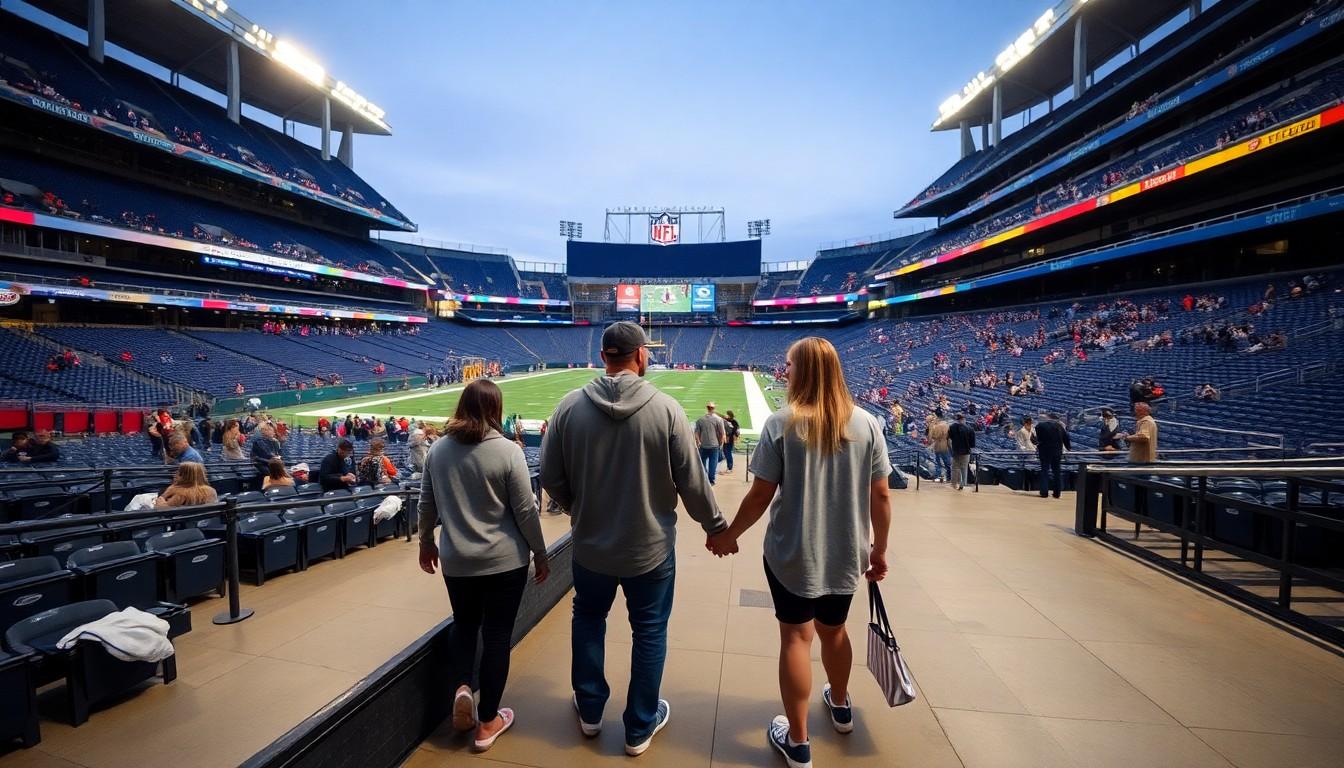
Fans are returning to packed stadiums and crowded living rooms for another NFL season, bringing all kinds of identities with them. For queer supporters, loving football can mean navigating a league that has made visible progress while still feeling built around someone else. The result is a complicated but powerful truth: belonging isn't always granted, it's claimed.
Essential Takeaways
- The NFL's audience is broad: Queer supporters have long been part of the league's fan base, even when its marketing hasn't reflected them.
- Support has become more visible: The NFL has backed LGBTQ+ initiatives, including a donation to The Trevor Project.
- Inclusion is uneven: Research and fan surveys suggest attitudes differ by team, city and stadium culture.
- Representation matters: Small gestures can make a major difference to young fans wondering whether football has room for them.
- Fans don't need permission: Loving a team and expecting better from its league aren't contradictory positions.
Football season is everywhere now
The modern NFL season doesn't politely wait for Sunday. There are Thursday fixtures, late-season Saturdays and international games timed for audiences far beyond North America. Football has shifted from a weekly appointment into a near-constant background rhythm, which is excellent news for devoted supporters and slightly alarming news for anyone who values a free evening.
That relentless schedule also makes the league feel bigger than sport. It occupies pubs, group chats, workplaces and family rituals, creating a shared language that can bring people together. For queer fans, that communal pull can be especially meaningful, because it offers a route into one of America's most visible cultural spaces without requiring anyone to surrender who they are.
The challenge is that football's traditional image remains stubbornly narrow. The NFL's formal support for LGBTQ+ causes, including its $100,000 donation to The Trevor Project, shows movement in the right direction, according to the league's announcement. But a charitable partnership is only one part of the experience a fan has when they walk into a stadium or switch on a game. [2]
Belonging isn't always the same as being represented
A supporter can feel entirely at home in the game while recognising that the league doesn't always picture them. That's the quiet tension behind many queer fans' relationship with the NFL: the sport can provide joy, routine and community, while its public-facing culture still leans heavily on familiar ideas about masculinity.
This doesn't mean every queer fan feels excluded. In fact, broader research has suggested that the NFL can rank surprisingly well among major men's sports for LGBTQ+ inclusivity. Outsports reported on a study placing the league at the top of that comparison, a finding that complicates the easy assumption that professional football is uniformly hostile. [3]
Still, perception depends on where and how someone watches. A welcoming team initiative may feel reassuring, while a careless chant in a crowded bar can change the atmosphere instantly. TickPick's overview of LGBTQ+ support in the NFL points to a mixture of league programmes, team efforts and wider fan attitudes, rather than one consistent national experience. [4]
Some teams are moving faster than others
Inclusion often becomes most tangible at club level. A team can make its position clear through community partnerships, Pride events, supporter groups and the everyday tone set by its staff and fans. Those details may sound modest, but they tell supporters whether they're being tolerated quietly or genuinely welcomed.
Fan-focused reporting has found that certain NFL communities are viewed as more supportive than others. Outsports has highlighted the Bengals, Jaguars and Buccaneers among teams whose supporters showed particularly positive attitudes towards LGBTQ+ inclusion. That doesn't make any stadium perfect, but it suggests local culture can matter as much as league-wide messaging. [6]
Geography plays a role, too. Vegas Insider's examination of LGBTQ+-inclusive sports cities shows how the surrounding community can shape the experience of attending a game, from local acceptance to the presence of supportive venues and organisations. In other words, the badge on the helmet matters, but so does the city around it. [5]
What would meaningful support look like?
The most useful next step isn't necessarily a grand gesture during a major broadcast. It could be practical help for young players, school teams and families trying to create safer sporting environments. Scholarships, coaching resources and clear guidance for schools would reach people before they decide that coming out and playing football are incompatible.
That matters because a young fan doesn't experience inclusion as a marketing category. They experience it as a question: Can I enjoy this game openly? Can I wear the shirt? Can I bring a partner? Can I enter a changing room without calculating every word?
The NFL has already shown that it can use its immense platform to support LGBTQ+ causes. The harder test is whether that support becomes ordinary and dependable rather than occasional and highly visible. The league's work with The Trevor Project is a useful example of direct backing, but the long-term measure will be whether fans notice change in schools, clubs and stadiums. [2]
Queer fans don't need permission to love football
There is something quietly defiant about continuing to support a sport that doesn't always know how to speak to you. A queer fan can enjoy the tactics, the spectacle, the nervous final drive and the absurd emotional swing of a last-second field goal, while also asking the NFL to do better. Those positions sit together perfectly well.
Recent coverage of Super Bowl teams has also shown how LGBTQ+ inclusion is increasingly part of the conversation around individual franchises, rather than being treated as an awkward subject to avoid. Outsports' reporting on the Seahawks and Patriots reflects that changing landscape, even as the broader debate remains unfinished. [7]
Football's appeal has never been limited to one kind of person. It belongs to the loud pub crowd, the solitary viewer, the family tradition and the fan who watches in near silence because the fourth quarter feels too important for conversation. For queer supporters, the most important message may be the simplest one: you were already part of this audience, whether the league knew how to acknowledge it or not.
It's possible to love the game fiercely and still expect the people running it to make room more deliberately.
Source Reference Map
Story idea inspired by: [1]
Sources by paragraph: