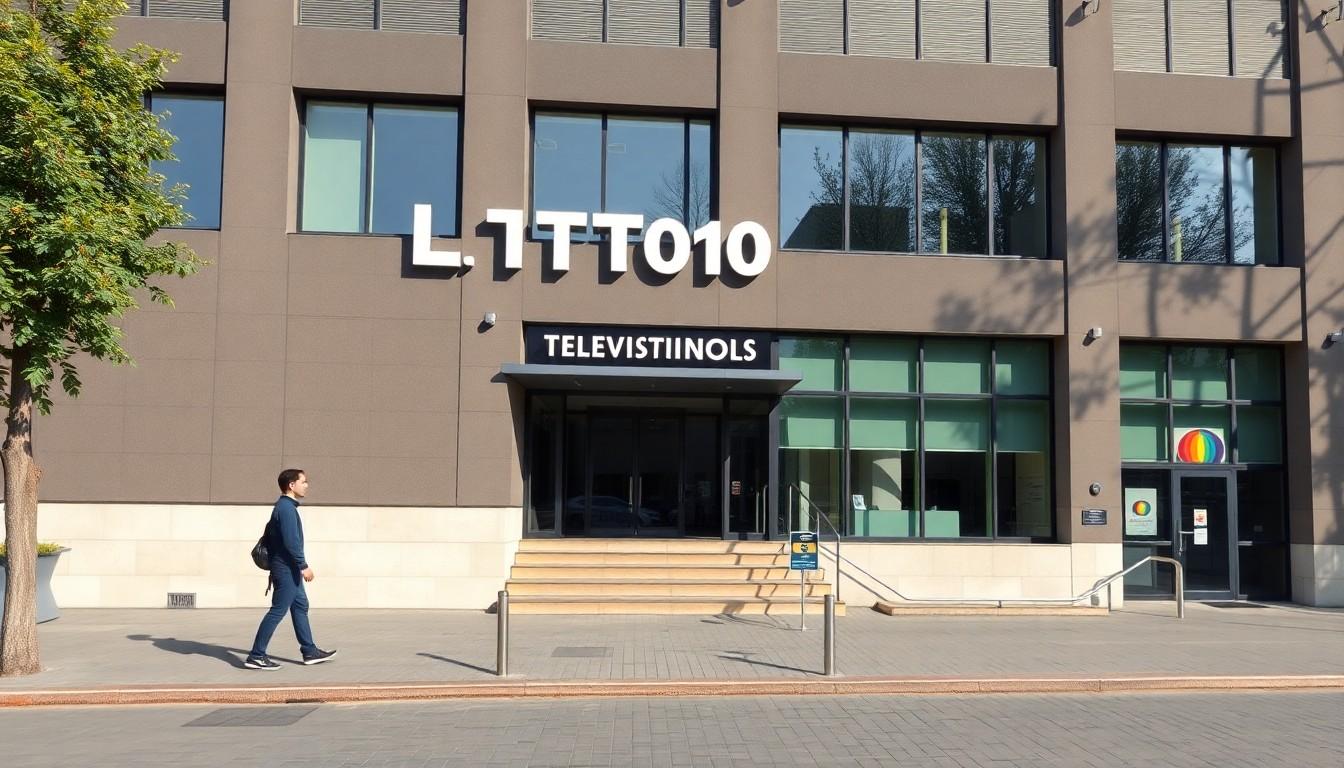
Viewers are turning to Czech Television’s new queer series Filter for a coming-of-age story that puts friendship, attraction and belonging ahead of easy labels. But as the drama reaches younger audiences, its inclusive cast and intimate scenes have also sparked a wider debate about representation on public television.
Essential Takeaways
- A youth-focused drama: Filter follows teenagers navigating identity, relationships and the pressure to fit in.
- Representation matters: The series centres queer and non-binary characters without making sexuality their only defining feature.
- Careful production: An intimacy coordinator helped actors and crew agree boundaries before and during intimate scenes.
- A deliberate setting: The creative team drew on research in arts-school environments when shaping the ensemble.
- A broader conversation: Supporters see overdue visibility, while critics question the concentration of LGBT characters.
Filter puts growing up before labels
The most striking thing about Filter is that it isn't simply a story about coming out. Its characters are dealing with the more familiar, messier business of teenage life: new friendships, romantic confusion, social anxiety and the fear of being judged.
That approach gives the series a broader emotional reach. A gay character isn't presented as a symbol first and a person second, while the non-binary character is part of a social world rather than a plot device. Czech Television's youth programming initiative helped create space for a drama aimed at viewers who can sometimes feel overlooked between children's shows and adult television, according to iDNES.cz and Czech Radio Prague.
There is something refreshing about that choice. Identity matters, but so do awkward conversations, changing loyalties and the small humiliations of trying to look confident when you're anything but.
A young cast faced a revealing audition process
The production reportedly attracted roughly 700 applicants, although some withdrew after reading the full script. The prospect of intimate scenes, as well as possible reactions from classmates, proved too uncomfortable for certain candidates.
That hesitation is hardly surprising. Young performers aren't only considering the scene itself; they're also thinking about school corridors, social media and how quickly a private creative decision can become public gossip. The team was open about the queer subject matter and intimate content from the beginning, allowing those who stayed to make a more informed choice, iDNES.cz and Denik N reported.
It also highlights the difference between representation on screen and the practical realities of creating it. Visibility can be valuable, but it needs to be built around consent, preparation and trust.
Intimacy coordination helped set clear boundaries
Filter used intimacy coordinator Janka Neustupova to support the cast and crew. Her role began before filming, with discussions involving the actors, director and camera team about what each scene required and where personal limits lay.
During production, the coordinator could help find alternatives when a performer wasn't comfortable with a particular touch or movement. A different camera angle or a revised piece of blocking might still deliver the dramatic moment without pushing anyone past an agreed boundary, according to the director's interview with iDNES.cz.
That kind of work is becoming increasingly important across television and film. Intimate scenes may look spontaneous on screen, but the safest and most convincing performances usually come from careful planning rather than improvisation. The result should feel natural to the audience, even when the process behind it is anything but casual.
Why the number of queer characters has caused debate
Critics have questioned whether Filter's concentration of LGBT characters reflects everyday school life. The creative team says the ensemble was shaped by research in art-school settings, where students may be more open about identity and more likely to form supportive communities with people who share similar experiences.
That explanation matters, but it doesn't make the series a statistical portrait of every Czech classroom. It is better understood as a story set in a particular social environment, with its own dynamics and friendships. As the director told iDNES.cz, young people who are open about being gay may also seek out others with comparable experiences.
The disagreement reveals two different expectations of television. Some viewers want drama to mirror the national average, while others want it to show communities and experiences that mainstream storytelling has often left at the edges. Neither expectation is entirely neutral, which is why Filter has become a talking point beyond its episodes.
Filter aims for messy, unfinished characters
The series also resists a neat division between heroes and villains. Its characters have flaws, make poor choices and don't always arrive at a tidy conclusion. That makes the drama less like a lesson and more like a snapshot of people still working themselves out.
The creators have cited international coming-of-age dramas including Skam and Heartstopper as reference points, while aiming for a tone that feels less polished and idealised. Czech Radio Prague, Totalfilm.cz and Around Prague have all presented the series as a candid look at adolescence, with chemistry between the central performers helping carry its emotional side.
That may be the show's strongest argument. Filter doesn't need every viewer to share its characters' experiences; it needs them to recognise the uncertainty, embarrassment and hope underneath. For many teenagers, that can be more meaningful than a perfect ending.
It's a small but significant step towards making Czech teen television feel more like the world its young viewers already know.
Source Reference Map
Story idea inspired by: [1]
Sources by paragraph:
- Paragraph 1: [2], [4]
- Paragraph 2: [3], [5]
- Paragraph 3: [6], [7]
- Paragraph 4: [2], [4]
- Paragraph 5: [5], [6]
- Paragraph 6: [2], [7]
- Paragraph 7: [3], [4]
- Paragraph 8: [2], [5]
- Paragraph 9: [6], [7]
- Paragraph 10: [3], [4]
- Paragraph 11: [2], [5]
- Paragraph 12: [3], [6]
- Paragraph 13: [4], [7]
- Paragraph 14: [2], [3]
- Paragraph 15: [4], [5]