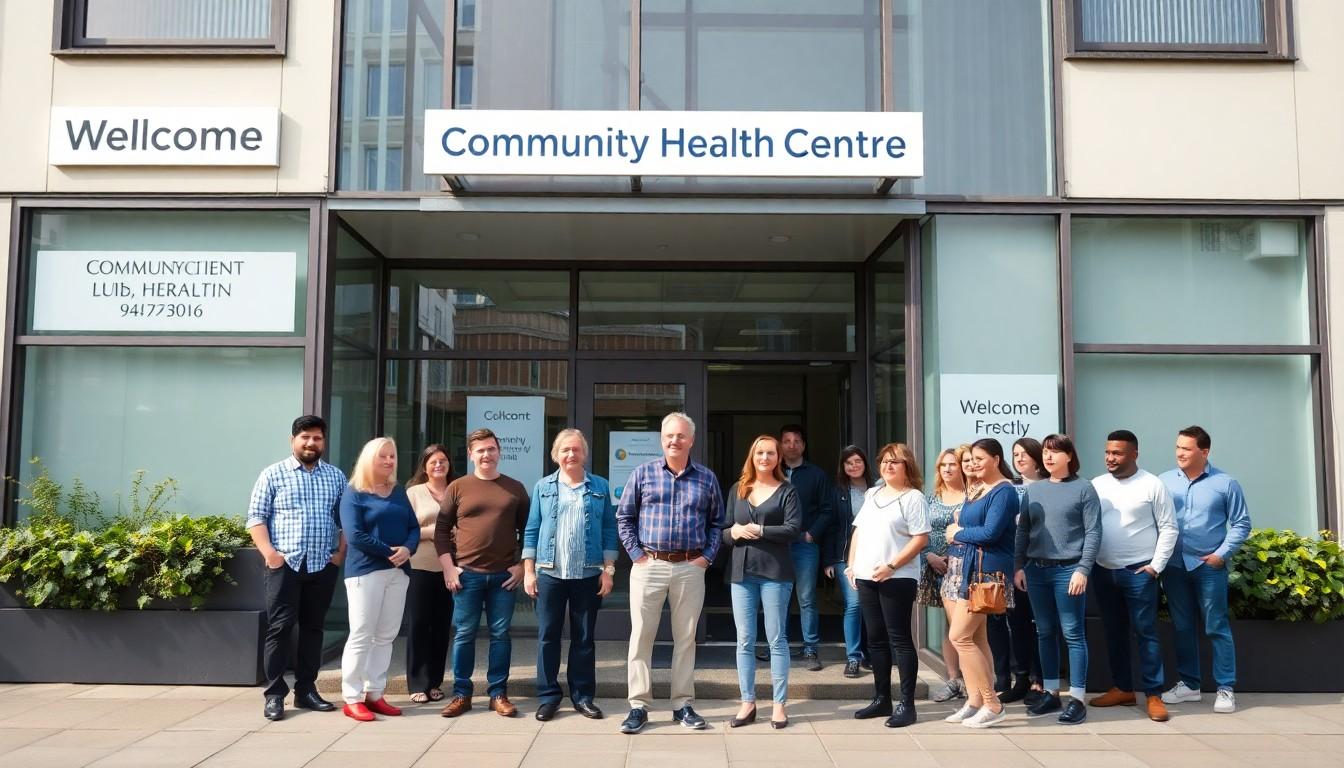
Patients and clinicians are shining a brighter light on LGBTQ health-care access in the Coachella Valley and beyond. The challenge isn't only finding an appointment, but locating care that feels safe, respectful and informed. New local attention matters because trust can shape whether someone seeks help early or waits until a problem becomes harder to treat.
Essential Takeaways
- Trust affects access: Fear of judgement can discourage people from booking or returning for care.
- Health gaps are real: Research links LGBTQ communities with unequal outcomes across several areas of health.
- Inclusive care helps: Respectful language, accurate records and knowledgeable staff can make visits feel safer.
- Practical preparation matters: Patients can ask about confidentiality, chosen names, pronouns and relevant specialist experience.
- Support must be consistent: One welcoming clinician isn't enough if the wider system remains difficult to navigate.
Why LGBTQ health care needs a closer look
A doctor's waiting room can look ordinary, yet still feel quietly intimidating when forms offer limited identity options or staff make assumptions about a patient's relationships. For LGBTQ people, those small moments can carry real weight, particularly when previous experiences have involved dismissal or discomfort.
The local conversation, highlighted by KESQ, reflects a wider concern: access isn't simply about whether a clinic exists nearby. Atlantic Health says LGBTQ patients can face disparities linked to discrimination, stigma, inadequate provider knowledge and social pressures, all of which may affect when and how they seek treatment.
That makes culturally competent care more than a courtesy. It can be the difference between a patient feeling able to explain what's wrong and deciding it's safer to stay silent.
The barriers start before the appointment
Difficulty can begin with the first phone call. A patient may wonder whether staff will use the right name, whether records will be handled discreetly or whether a clinician understands gender-affirming care, sexual health or the needs of LGBTQ older adults.
KFF's review of LGBTQ health status and access to care points to broader inequalities, including differences in insurance coverage, affordability and access to appropriate services. These pressures can overlap with race, disability, age, geography and income, creating a particularly tangled route through the system.
The result is frustratingly practical. Someone who can't find a trusted provider may postpone preventive checks, mental-health support or treatment for an existing condition. Health shouldn't depend on how much emotional energy a person has left for explaining themselves.
What the wider evidence shows
The issue extends well beyond one community or one region. The National Coalition for LGBT Health's 2025 report describes continuing concerns about access, discrimination and health outcomes, while the CDC identifies unfair and unjust tobacco-related burdens affecting LGBTQ populations.
Those patterns don't mean every LGBTQ patient has the same experience. They do show why broad health messaging can miss important details. A campaign that reaches the general public may still fail if it doesn't reflect the realities of transgender patients, bisexual people, LGBTQ people of colour or those living in rural areas.
Human Rights Watch has also documented rights concerns affecting LGBTQ communities in the United States. Taken together, the evidence suggests that health care sits within a larger environment of safety, dignity and legal protection, rather than operating as a separate silo.
How patients can look for more inclusive care
A useful first step is to ask direct questions before booking. Patients might check whether a practice has experience with LGBTQ care, how it protects confidentiality and whether its forms and records allow chosen names and pronouns. A clear, respectful answer is encouraging; a vague or defensive one is useful information too.
It can also help to bring a short list of medicines, previous diagnoses, questions and care goals. If a visit involves sensitive information, asking who will have access to the record can make the process feel more manageable. Patients who feel unsafe or unheard can request another clinician or seek support from a local LGBTQ organisation.
Most importantly, the right provider isn't necessarily the one with the flashiest branding. Look for consistent behaviour: staff who listen, explain options plainly and avoid treating identity as a problem to solve.
Building trust takes more than a rainbow logo
Inclusive care has to reach the whole patient journey, from reception and billing to clinical decisions and follow-up. A rainbow sticker may signal good intentions, but training, privacy policies, accessible services and accountable leadership are what make those intentions credible.
WMDT has reported similar concerns about ongoing health disparities and difficulty accessing care among local LGBTQ individuals. That repetition is telling. Communities don't need occasional statements of support as much as dependable systems that work on an ordinary Tuesday afternoon.
There is room for optimism when local reporting, health organisations and patients keep the conversation visible. Better care won't arrive overnight, but listening carefully is a strong place to start.
A safer health-care experience begins with respect, informed providers and practical access.
Source Reference Map
Story idea inspired by: [1]
Sources by paragraph: