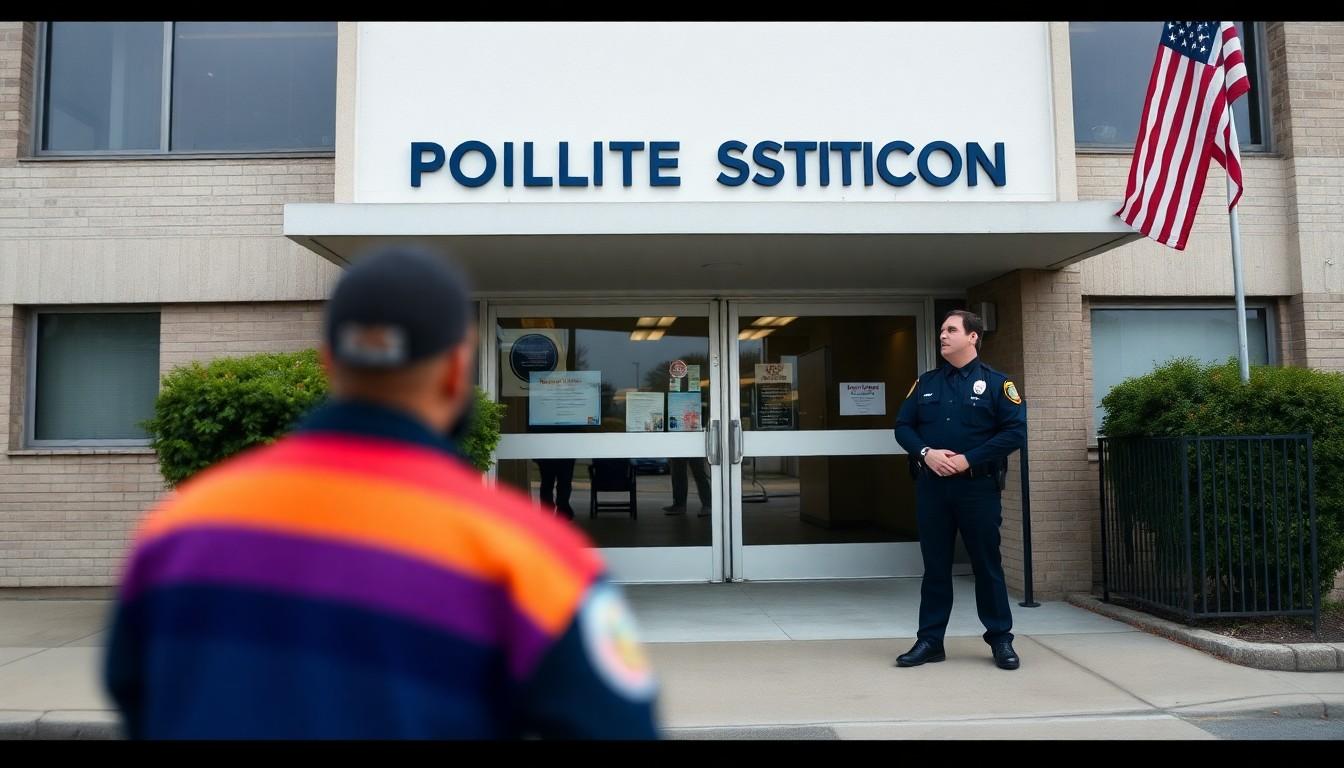
A new Williams Institute study explores how transgender people in Memphis experience police contact, courts and incarceration, highlighting the role of gender identity, race, HIV status and sex-work history. Its findings offer a troubling look at safety, trust and access to care within the criminal legal system.
Essential Takeaways
- Gender shapes encounters: Participants said officers often linked transgender identity with sex work or criminality.
- Records miss people’s identities: Tennessee law-enforcement systems generally classify people only as male or female.
- Incarceration can cause added harm: Participants described restricted gender expression, confiscated items and denied gender-affirming care.
- Trust remains fragile: Some people avoid police contact or reporting crimes because they fear mistreatment.
- The study centres lived experience: Researchers used interviews and a focus group involving transgender people in Memphis with criminal legal system or sex-work experience.
A closer look at policing in Memphis
The strongest message from the Memphis study is also the simplest: identity can shape every stage of an encounter with police. Participants described being judged through the lens of gender presentation, with some saying officers assumed they were involved in sex work before any evidence had been established.
That matters because a routine stop can quickly become something more intimidating. The Williams Institute’s research describes reports of verbal, physical and sexual harm, alongside a deep sense that police interactions weren't designed with transgender people’s safety in mind.
The problem isn't limited to individual attitudes. Tennessee's official systems generally record people as male or female, leaving researchers without reliable administrative data on how transgender people are treated. As the study authors note, what isn't recorded can be remarkably difficult to measure. ([2], [6])
Why race, HIV status and sex work matter
The study places gender identity within a wider web of vulnerability. Most participants were transgender women of colour, and their experiences were also shaped by race, economic insecurity, HIV status and past or present sex work.
Earlier Williams Institute research found that Shelby County, which includes Memphis, accounted for a substantial portion of HIV-related sex-work convictions in Tennessee. Black women facing economic hardship made up nearly three-quarters of those affected by the state's HIV-related sex-work criminal law, according to the institute.
That context helps explain why participants saw policing as more than an occasional inconvenience. For people already navigating poverty, stigma or health-related criminalisation, contact with the system can carry unusually high stakes. ([2], [6], [7])
Incarceration brings a different set of pressures
The reported difficulties didn't stop at arrest. Participants described jail and prison conditions that restricted gender expression, removed gender-affirming belongings and, in some cases, denied access to gender-affirming care.
Those details may sound administrative on paper, but their effects are personal and immediate. Clothing, grooming, names, pronouns and access to appropriate healthcare can all influence whether someone feels visible, exposed or physically safe.
Research on transgender people and the criminal legal system has repeatedly pointed to the importance of understanding detention as a lived environment, not simply a legal stage. The Memphis findings add local detail to that wider picture, particularly for transgender women of colour. ([4], [5], [7])
Self-protection can look like silence
Perhaps the most far-reaching finding concerns what happens after a harmful encounter. Participants described strategies intended to reduce police contact and lower the risk of being targeted, from avoiding authorities to managing public activity with extra caution.
Those choices can be practical and understandable. But they may also mean people don't report violence, seek emergency help or cooperate with investigations, even when they need protection themselves.
The University of Memphis and Williams Institute researchers argue that this distrust affects more than transgender residents. When a community expects the criminal legal system to create danger rather than reduce it, public safety becomes harder for everyone. ([2], [3], [6])
Better data is only the beginning
The study makes a strong case for improving how official systems record gender identity. Better data could help policymakers identify patterns, assess police conduct and understand where services are failing.
Still, accurate records won't solve the problem on their own. Training, respectful treatment, access to appropriate healthcare and meaningful accountability are equally important. A form that recognises someone's identity is useful, but it doesn't guarantee that the person behind it will be treated with dignity.
For Memphis, the findings offer both a warning and a practical direction. Listening to local voices is a necessary first step; turning those accounts into safer policy is the harder one. ([2], [5], [7])
It's a reminder that public safety depends on whether people feel safe enough to ask for help.
Source Reference Map
Story idea inspired by: [1]
Sources by paragraph: